LEGAL
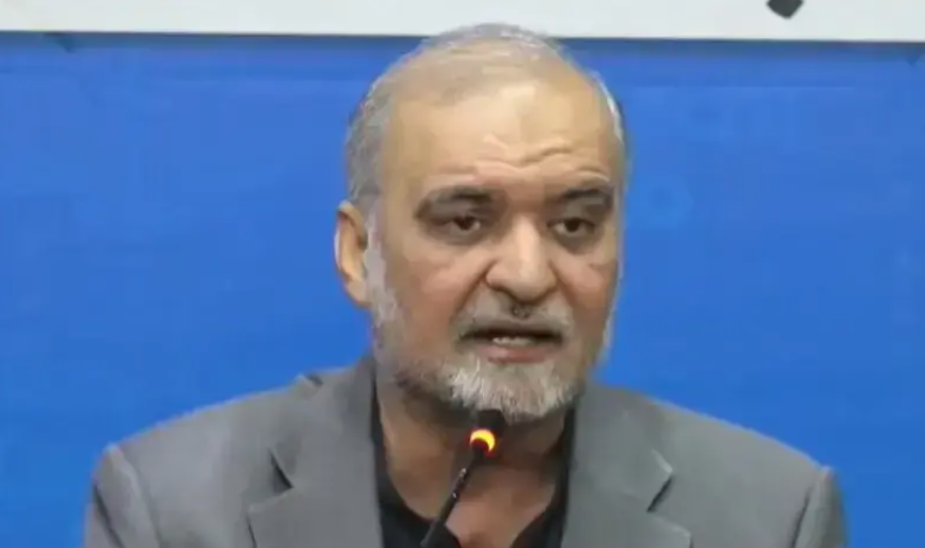
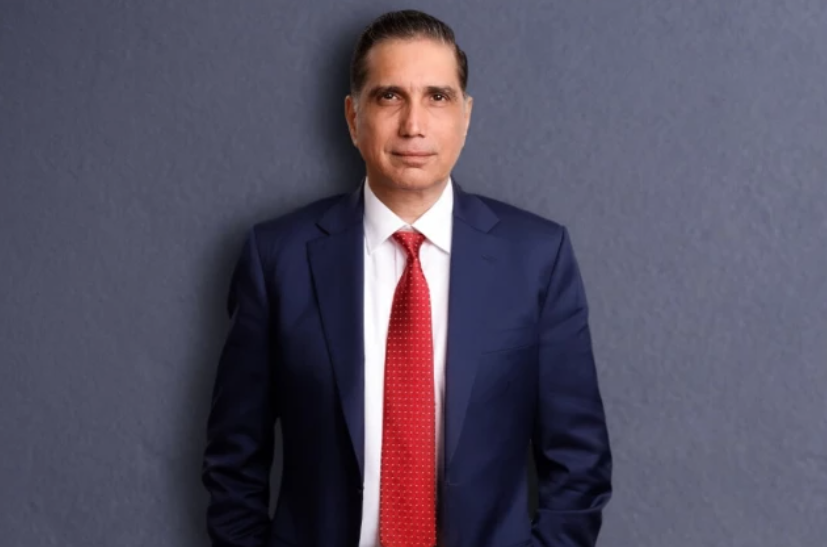
Hafiz Naeemur Rehman, chief of Jamaat-e-Islami, has strongly criticised the government over recent increases in petroleum prices, calling them an added burden on the common citizen amid an already strained economic environment.
Speaking at a press conference on Tuesday, Rehman condemned the significant hike in fuel prices following the reported closure of the Strait of Hormuz, which has contributed to a global oil crisis impacting several countries, including Pakistan.
Earlier this month, the government increased the prices of petrol and high-speed diesel by Rs55 per litre in response to rising international oil prices linked to escalating tensions in the Middle East. Despite Shehbaz Sharif stating that he had rejected further summary proposals to raise fuel prices, the current rates remain high at Rs321.17 per litre for petrol and Rs335.86 per litre for diesel.
Rehman argued that a 20 percent increase in the petroleum development levy (PDL) has pushed the effective cost of fuel to between Rs120 and Rs125 per litre in terms of taxation, directly affecting journalists, students, workers, and daily commuters.
“The government can reduce petrol prices by cutting the levy,” he said, urging immediate relief measures. He also called for reductions in fuel costs for thermal power generation units, suggesting it would help ease the broader economic burden.
The JI leader linked the rising fuel costs to what he described as poor economic management and called for investigations into agreements with Independent Power Producers (IPPs). He warned that the country’s economy is under pressure in what he termed a “war-like situation.”
Referring to the role of the International Monetary Fund, Rehman claimed that even if the levy were removed, international financial obligations could hinder policy flexibility. He also asserted that local companies lack the capacity to challenge such agreements in international courts.
In a recent move to offset the economic impact of the global oil crisis, Prime Minister Shehbaz Sharif announced a Rs200 per litre increase in levy on high-octane fuel, typically used in luxury vehicles. The government stated that this measure is intended to shift the financial burden onto wealthier segments of society.
Criticism of Global Politics
Rehman also addressed ongoing tensions in the Middle East, criticising the role of global powers in the conflict. He alleged that the United States and Israel had failed to achieve their strategic objectives despite military actions in the region.
Commenting on former US President Donald Trump, he said that claims of quick success in conflicts often overlook ground realities, adding that such approaches reflect a transactional view of global politics.
The JI chief expressed support for the people of Palestine and Iran, praising their resistance and urging Pakistan to remain vigilant against external threats. He stressed the importance of safeguarding the country’s defence capabilities, nuclear programme, and ideological foundations in the face of evolving geopolitical challenges.
-
KP Government Bans High-Octane Fuel in Official Ve...
Khyber Pakhtunkhwa bans high-octane fuel in all government vehicles to curb rising costs. ...
-
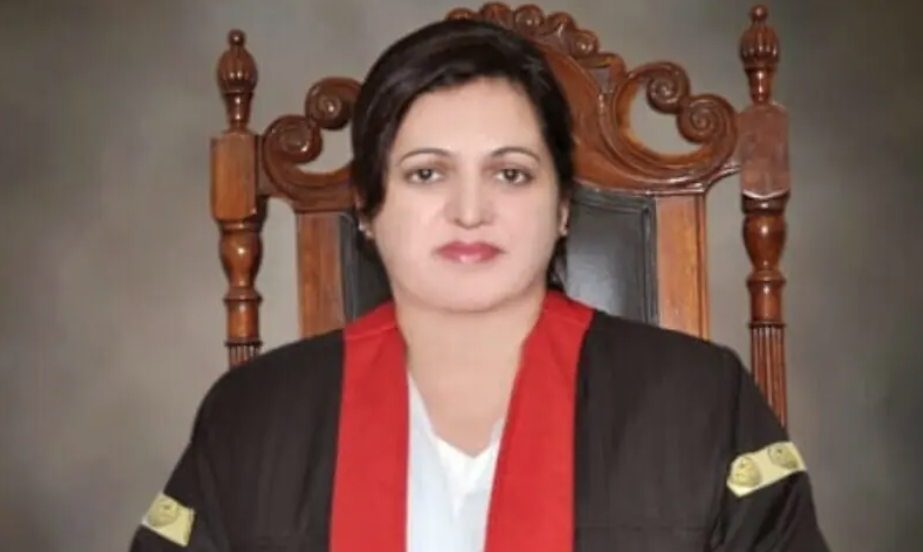
LHC Upholds Objection on Petition Challenging Sheh...
Lahore High Court sustains objection on maintainability of petition against PM Shehbaz Sha...
-
K-Electric Appoints Syed Taha as New CEO from Apri...
K-Electric names Syed Taha as new CEO, effective April 15, replacing interim chief Adeeb A...
-
National CERT Warns of Cyber Threats to Pakistanâ€...
Pakistan’s National CERT warns of rising cyber threats targeting power, banking & defenc...

-
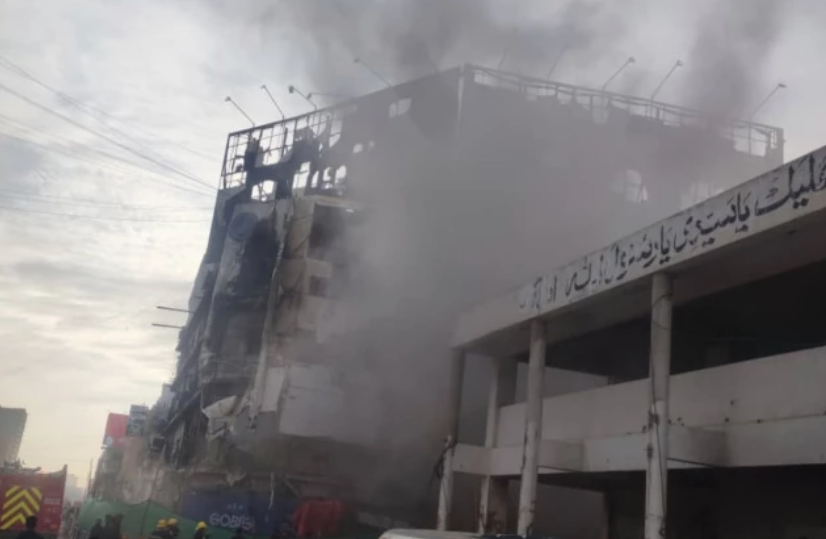
Fresh Fire at Karachi’s Gul Plaza Likely Caused ...
Another fire erupts at Karachi’s Gul Plaza, with authorities suspecting drug addicts bur...