POLITICS & POLICY MAKING

Chief Justice of Pakistan Yahya Afridi has scheduled a meeting of the Judicial Commission of Pakistan (JCP) for April 28 to deliberate on the transfer of High Court judges. This move has sparked a heated debate within the legal fraternity regarding the future of judicial independence.
Here is a summary of the situation in my own words:
The Push for Judicial Transfers
For the first time since the passage of the 26th and 27th Constitutional Amendments, the JCP will discuss moving judges from one High Court to another. Traditionally, under Article 200, a judge could not be transferred without their consent. However, recent amendments have removed this requirement, and any judge who refuses a transfer could now face disciplinary action.
Concerns Over Judicial Independence
The meeting has drawn sharp criticism from several quarters:
-
Political Opposition: Senator Ali Zafar, a JCP member, has voiced strong opposition, questioning the necessity of these transfers. He and other PTI-affiliated members had previously boycotted JCP meetings but are expected to attend this session to challenge the agenda.
-
Targeting the IHC: Speculation is rife that judges from the Islamabad High Court (IHC)—particularly those who have been vocal about alleged interference by executive agencies—may be the primary targets for relocation.
-
Lack of Rules: Senior lawyers argue that the JCP is exercising discretionary power without a formal set of rules or transparent criteria for these transfers, leading to fears that "unfavorable" judges are being sidelined.
The "Executive Dominance" Narrative
Legal experts, including Advocate Abdul Moiz Jaferii, suggest that these amendments were specifically designed to give the executive more control over the judiciary. Critics argue that the government has already begun consolidating its influence in the IHC by bringing in judges from other provinces, one of whom has since become the Chief Justice of the IHC.
While the government maintains these moves are intended to balance provincial representation and improve efficiency, the legal community remains wary, viewing it as a "house of cards" that may eventually threaten the core principle of a free judiciary.
-
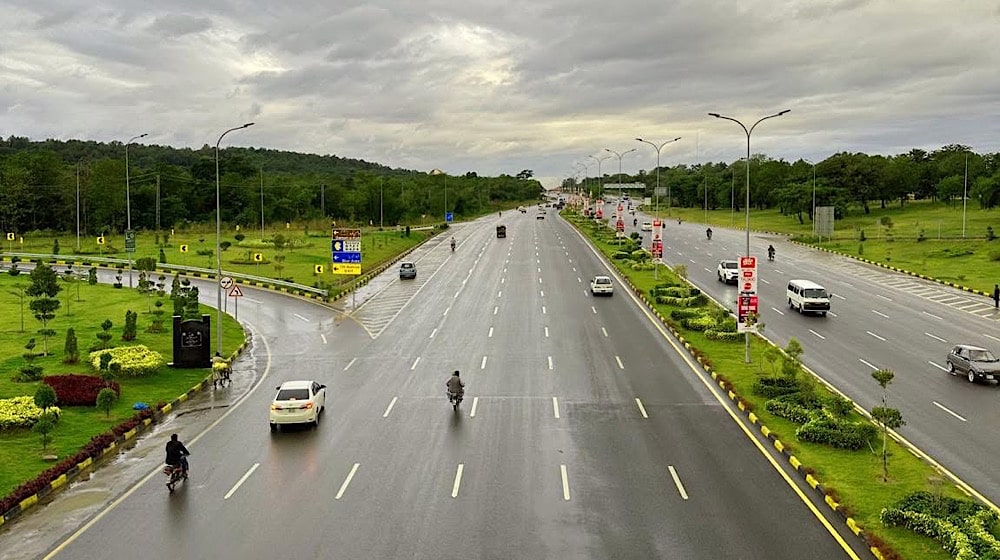
Commuter Relief: Islamabad Reopens Main Roads Afte...
After several days of a stringent security lockdown, authorities in the twin cities of Isl...
-
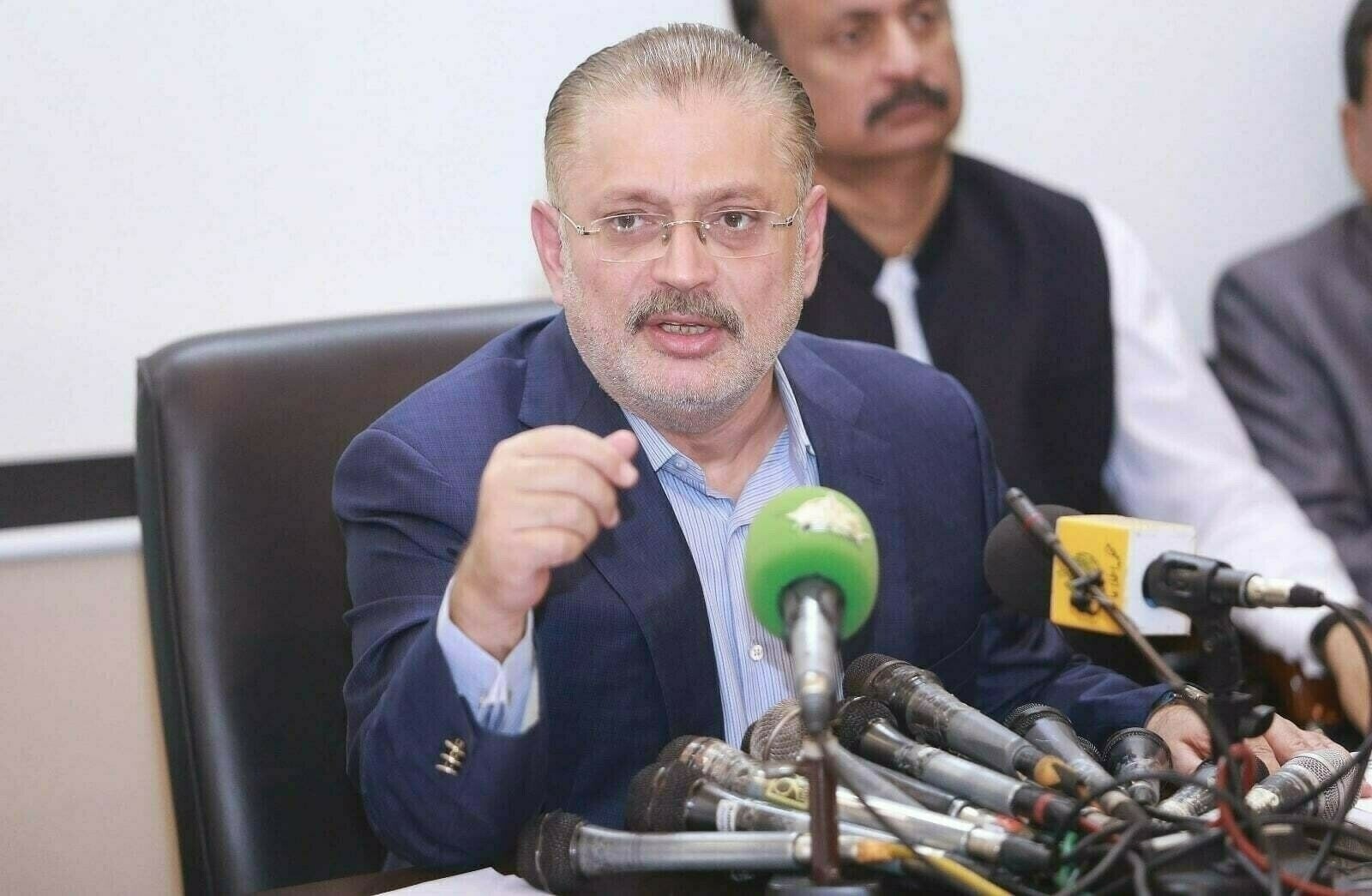
Sindh govt cancels BRT Red Line construction contr...
Sindh Govt Scraps BRT Red Line Contract: Projects to be Re-Awarded on Emergency Basis...
-
PTI Set for Major Power Show: Minar-e-Pakistan Jal...
Pakistan Tehreek-e-Insaf (PTI) has officially announced a major power show at the historic...
.jpg)
-
Shehbaz Sharif Thanks President Trump for Acceptin...
Prime Minister Shehbaz Sharif has thanked US President Donald Trump for agreeing to extend...
.jpg)
-
Iran Warns US and Israel of ‘Harsher Response’...
Tehran says any attack will trigger an immediate and stronger retaliation....