POLITICS & POLICY MAKING
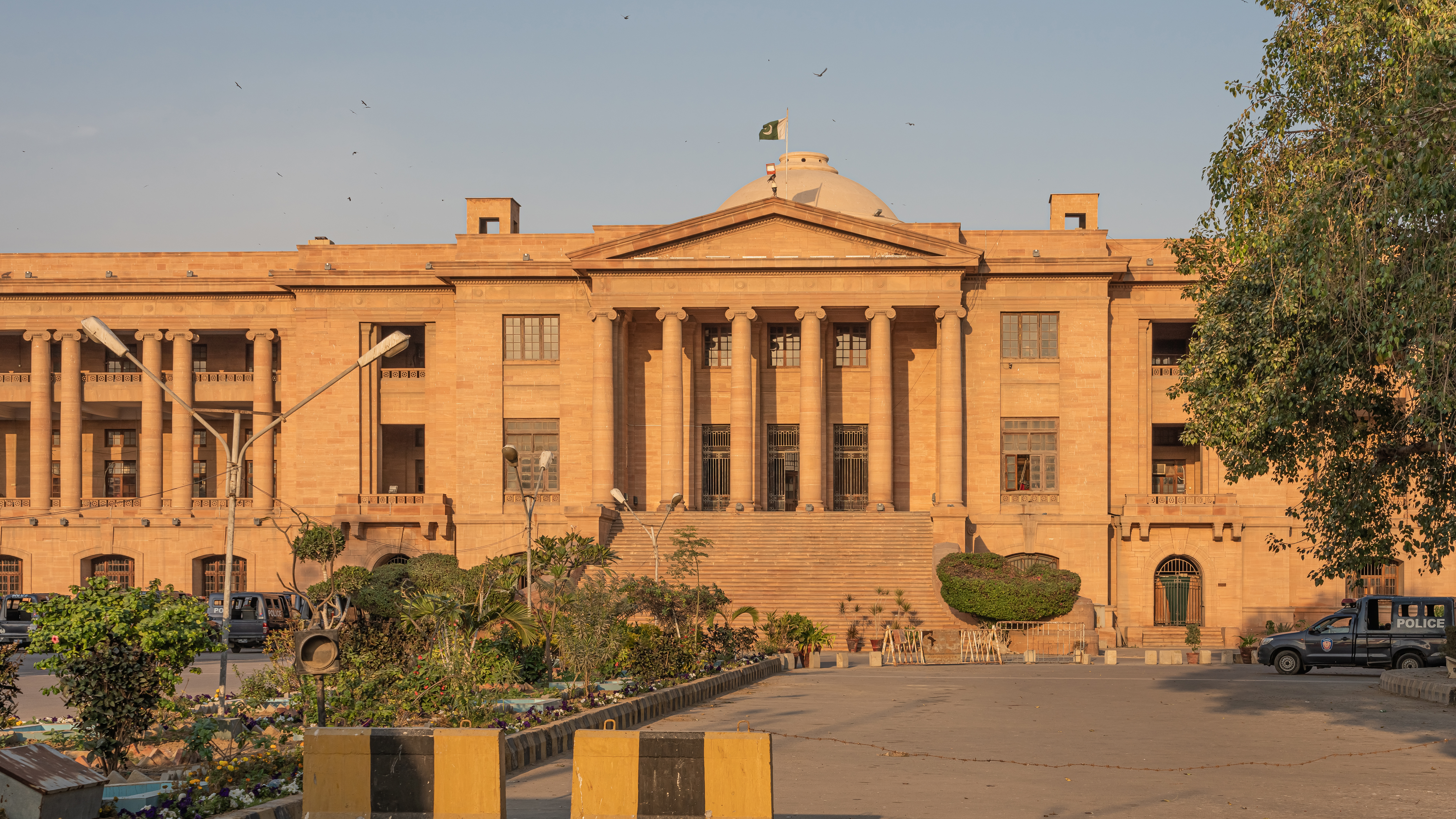
The legal battle over the Mehar triple murder case has shifted to Karachi, as the Sindh High Court (SHC) officially agreed on Tuesday to hear an appeal against the recent acquittal of all eight suspects.
The decision to move the proceedings to the provincial capital was made by the Chief Justice of the SHC, citing security concerns for the petitioner, Umme Rubab Chandio. This move is a significant victory for Rubab, who has spent years campaigning for justice—often famously walking barefoot to court—while alleging that the powerful feudal figures involved were being protected by the provincial government.
The Background
This high-profile case stems from a violent attack on January 17, 2018, in Mehar, Sindh. Three members of a single family—Raees Karamullah Chandio, Mukhtiar Ahmed Chandio, and Qabil Hussain Chandio—were gunned down. The family maintained that the hit was ordered by influential tribal chieftains and PPP leaders, Sardar Ahmed Chandio and Burhan Khan Chandio.
The Legal Reversal
-
The Acquittal: On March 30, 2026, a model court in Dadu cleared the Chandio brothers and six others of all charges, a verdict that sparked outrage among supporters of the victims.
-
The New Appeal: Accompanied by her counsel, Umme Rubab challenged that verdict today, arguing that the case transcends her personal loss and has become a symbol of the struggle for the "oppressed people of Sindh."
By allowing the appeal to be heard in Karachi rather than Dadu, the High Court is providing a more secure and neutral environment for a case that has consistently pitted a grieving family against entrenched political and tribal power.
-
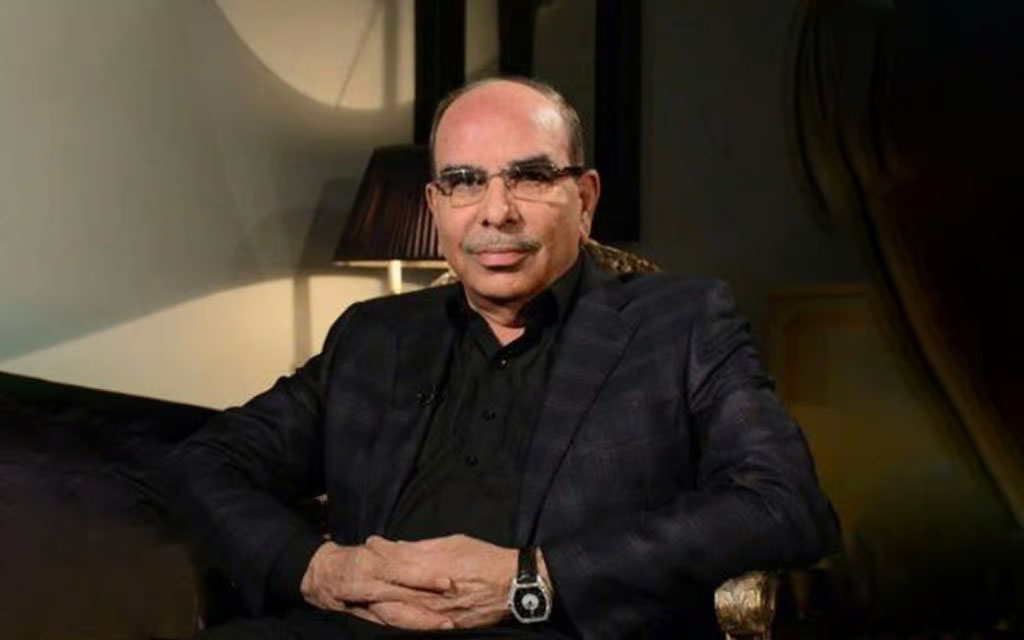
Interpol Issues Red Notices for Property Tycoon Ma...
International policing body Interpol has reportedly issued red notices against property ma...
-
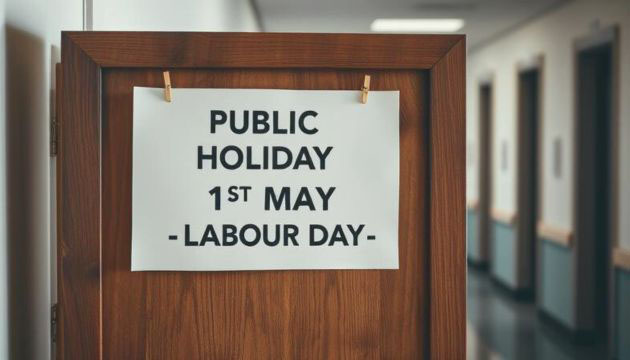
Sindh Declares Public Holiday on May 1 for Labour ...
The Sindh government has announced a province-wide public holiday on May 1 to mark Interna...
-
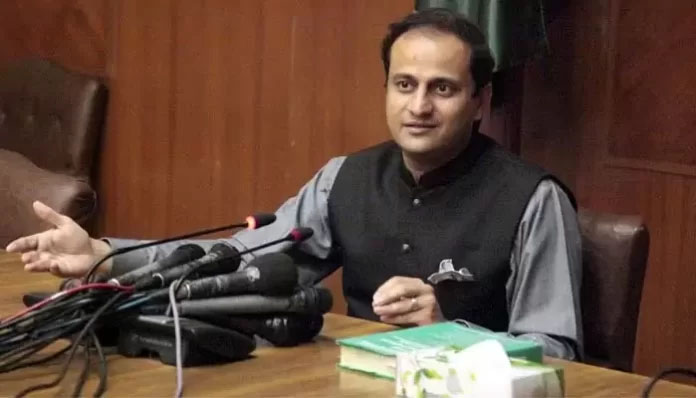
Karachi Mayor Says Comparing Karachi and Lahore Go...
Karachi Mayor Murtaza Wahab has stated that comparing governance between Karachi and Lahor...
-
Iran’s Revolutionary Guards Take Wartime Control...
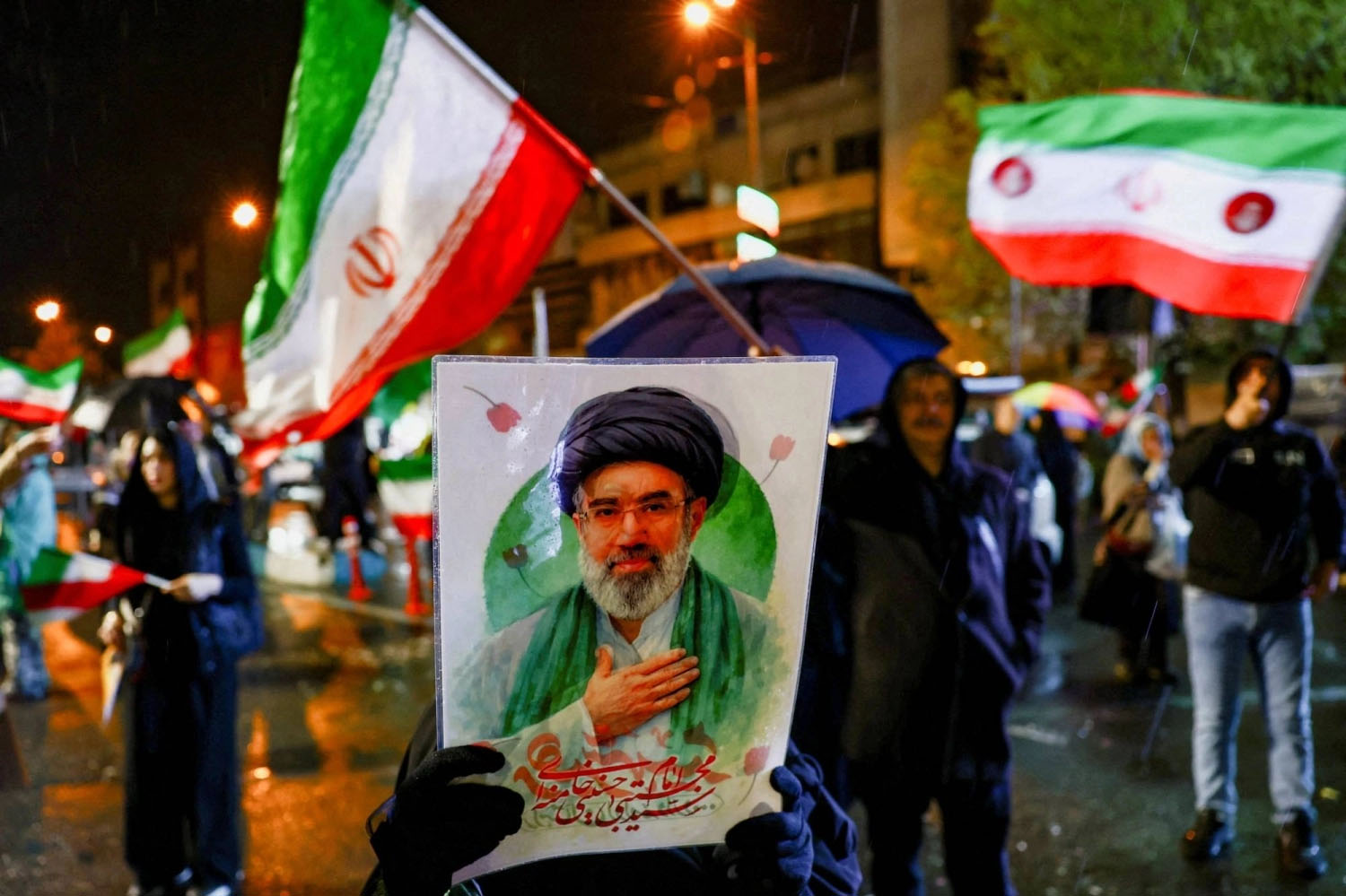
A new report suggests that Iran’s Islamic Revolutionary Guard Corps (IRGC) has expanded ...
-
Crude Oil Surges Above $110 as Strait Standoff Fea...
Global oil prices have climbed back above $110 per barrel as uncertainty over the Strait o...