POLITICS & POLICY MAKING
Detailed Report
-
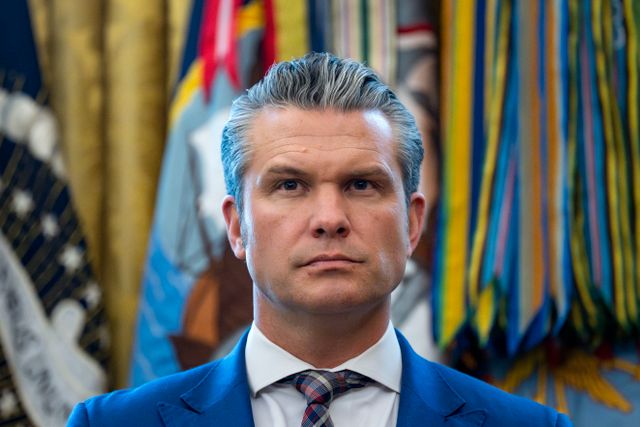
The Stance Against Regional Dominance: United States Secretary of Defense Pete Hegseth delivered a firm message during a high-profile security forum in Singapore, asserting that no single nation—including China—will be permitted to establish unchecked hegemony over the Asia-Pacific region. Addressing international delegates, Hegseth emphasized that allowing a single state to dominate the Pacific would severely disrupt the global balance of power. He reaffirmed that the United States is fully committed to maintaining its strategic presence to guarantee long-term maritime stability, freedom of navigation, and operational equilibrium across regional waters.
-
The New Burden-Sharing Mandate: Shifting policy dynamics under the current administration, Hegseth sent a direct warning to historic American security partners, declaring that Washington will no longer carry the financial burden of defending wealthy allied nations. He stressed that international partners must step up and assume greater financial and operational responsibility for their own sovereign defense capabilities, signaling a structural pivot toward a transactional and mutually accountable alliance framework.
U.S.-China Strategic Paradox: Despite drawing a hard line against potential Chinese territorial expansion, Hegseth characterized current Washington-Beijing bilateral relations under President Donald Trump as being at their "best level in several years." He noted that active, direct military-to-military communication channels are being carefully maintained with his Chinese counterparts to prevent miscalculations, while simultaneously demanding that Beijing respect America's historic position and stabilizing role in the Pacific.
-
The Iranian Nuclear Red Line: Turning his attention to the ongoing geopolitical crisis in the Middle East, the Defense Secretary reinforced the White House's absolute red line, flatly declaring that "Iran cannot and will not be allowed to acquire nuclear weapons." Hegseth’s remarks closely followed an extraordinary, two-hour Situation Room session where President Trump held off on a final sign-off for a tentative memorandum of understanding with Tehran. Hegseth assured allies that the U.S. will continue to uphold its global security obligations, promising that any final treaty authorized by the White House will be stringently structured, effective, and protective of international stabilization efforts.
-
Pre-Poll Rigging Alleged: PTI's Asad Qaiser Blocke...
PTI's Asad Qaiser and PML-N's Saad Rafique both missed their flights to Skardu after Punja...
-
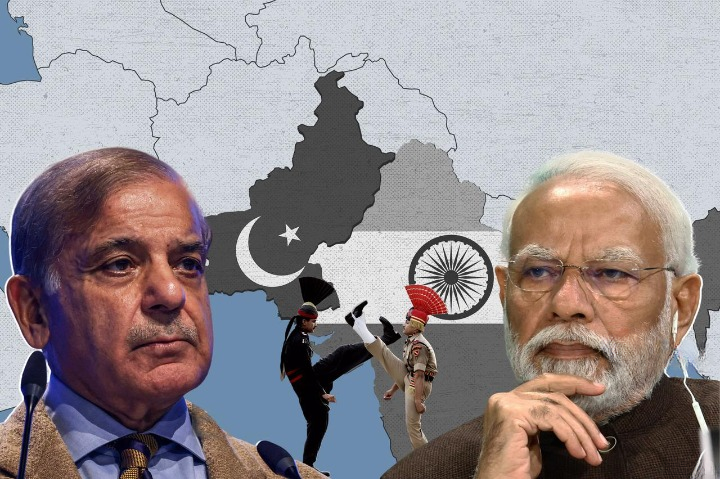
Modi’s Decade-Long Campaign to Isolate Pakistan ...
An extensive Al Jazeera report reveals that Indian PM Narendra Modi's decade-long campaign...
-
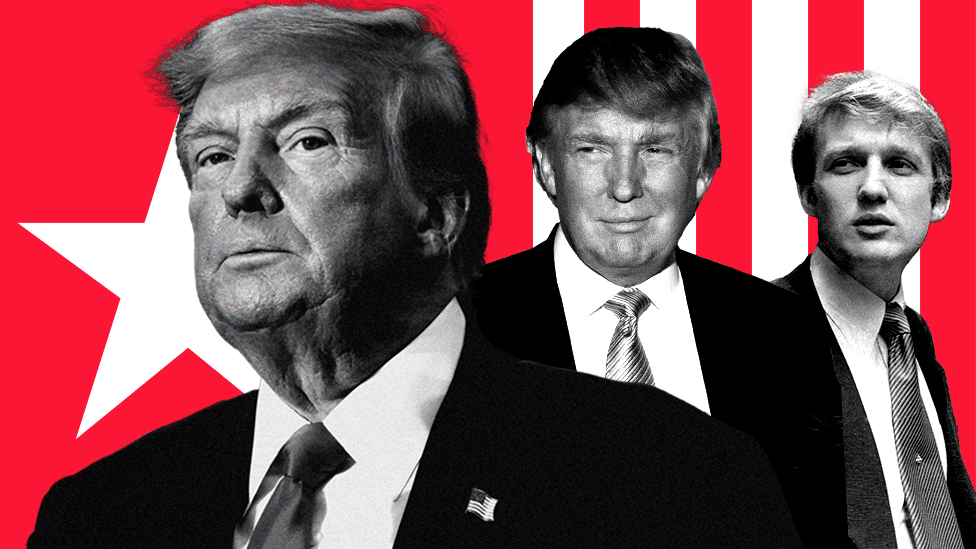
Trump Delays Final Sign-Off on Iran Peace Deal Fol...
U.S. President Donald Trump has delayed signing a tentative memorandum of understanding to...
-
Ireland Approves Bill Targeting West Bank Settleme...
The Irish government has approved the text of a bill to completely ban the import of goods...

-
Tehran Seeks Unfreezing of $24 Billion in Foreign ...
Iranian negotiators in Qatar are seeking the release of $24 billion in frozen foreign asse...
.jpg)