TRADE & ECONOMY
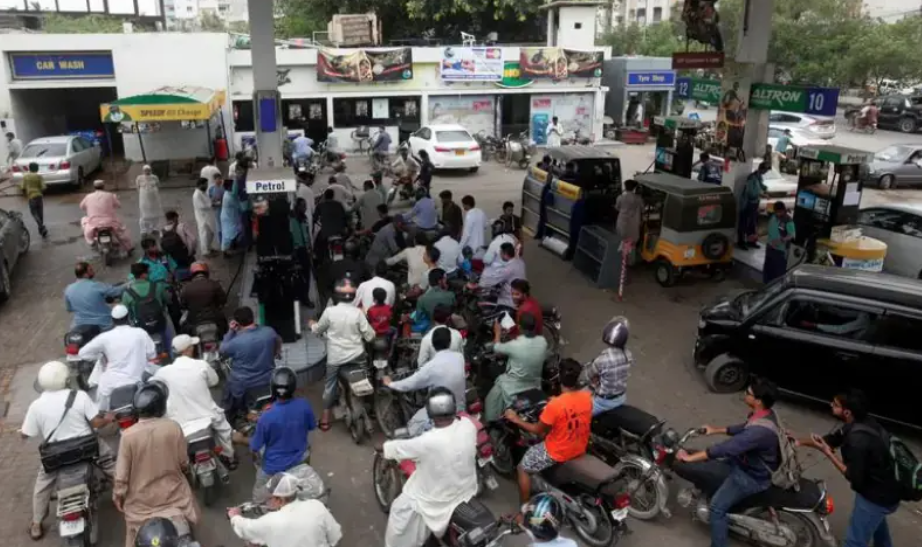
The federal government has banned the export of all petroleum products and is considering holding domestic prices steady, despite rising global oil rates, officials said. The move comes as Pakistan braces for potential fuel price shocks and has earmarked approximately Rs389 billion in budget allocations to mitigate emergency impacts.
Recent estimates indicate that, under current tax and pricing formulas, high-speed diesel (HSD) could rise by Rs56 per litre and petrol by Rs41. Retail prices currently stand at Rs337 per litre for HSD and Rs322 per litre for petrol. Kerosene and light diesel oil are also projected to increase by Rs7 and Rs53 per litre, respectively.
While the next price review is scheduled for March 15, ministers have suggested an early review on March 13. Prime Minister Shehbaz Sharif, in a consultative session with federal and provincial representatives and military leadership, reportedly emphasized that no further price hikes would be imposed in the near term, regardless of fluctuations in Middle East oil prices.
The session, attended by Field Marshal Asim Munir, noted that block allocations would be used to absorb price increases and prevent further burden on the public. However, cabinet members remain divided, with technocrats, particularly those coordinating with the IMF, cautioning against disturbing existing pricing buffers.
Petroleum Minister Ali Pervez Malik confirmed that efforts are underway to manage prices under the Prime Minister’s directives. Minister of State for Finance and Railways Bilal Azhar echoed this stance, stating that the government aims to avoid passing additional costs to consumers despite upward trends in international oil prices.
Officials defended the March 7 decision to raise prices by Rs55 per litre, citing the need to prevent supply disruptions, which have sparked public unrest in neighboring countries such as Bangladesh and India.
Pakistan imports over 95% of its oil from the Middle East, primarily through the Strait of Hormuz, and local retail rates are linked to Dubai-based prices, currently $120 per barrel for petrol and $168 per barrel for diesel. The government has also barred refineries from exporting furnace oil and naphtha to preserve reserves for power generation amid a suspension of LNG imports from Qatar.
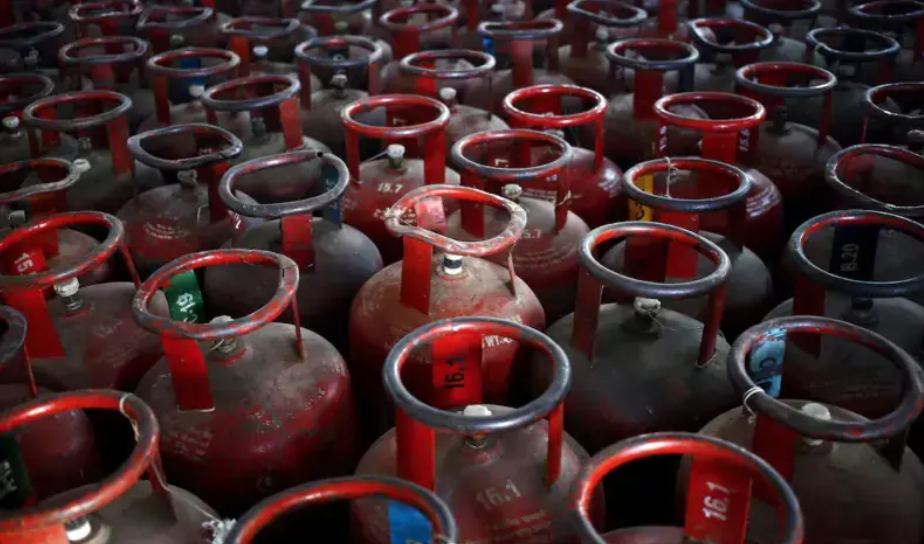
Current petrol and diesel stocks are sufficient for 22-23 days, but diesel supplies could face logistical challenges due to import timelines. Saudi Arabia has extended support to maximize crude supply for local refineries. Meanwhile, informal liquefied petroleum gas (LPG) imports from Iran have nearly doubled, helping offset supply disruptions caused by the ongoing Iran war.
The government’s strategy aims to balance energy security, public affordability, and foreign exchange conservation in a period of unprecedented regional instability.
-
Gold Price Drops by Rs 7,100 per Tola in Pakistan...
Gold prices in Pakistan fall sharply by Rs 7,100 per tola, with 10g now at Rs 417,491; glo...
.jpg)
-
US Becomes World’s Top Oil Producer, Surpasses S...
The United States overtakes Saudi Arabia and Russia combined to become the world’s large...
-
Federal Government Revises Solar Power Export Poli...
Federal govt changes billing rules for solar users exceeding approved capacity. Extra elec...
-
Pakistan’s Inflation Climbs to 19-Month High in ...
Pakistan’s inflation rises to 7.3% in March, the highest in 19 months, amid regional ten...
-
OGRA Announces 35% Hike in LPG Prices for April...
OGRA raises LPG rates by 35% for April, increasing the cost of an 11.8kg cylinder by Rs924...