POLITICS & POLICY MAKING
Shadow War Escalates: UAE Secretly Targeting Iranian Interests Amid Regional Conflict, Report Claims
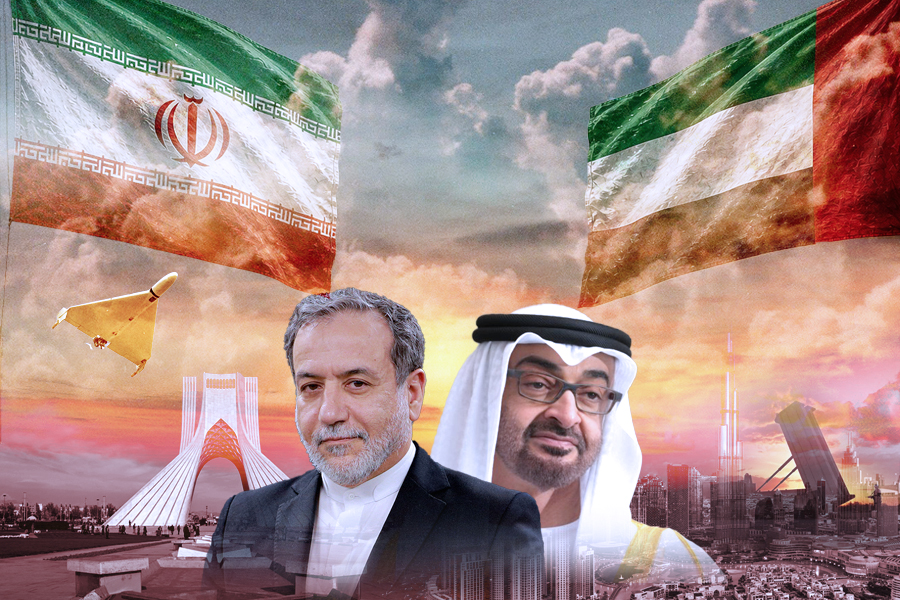
A series of explosive reports from The Wall Street Journal has revealed that the United Arab Emirates has shifted from a cautious mediator to an active combatant, secretly launching military strikes against Iran. This covert involvement marks a massive escalation in the ongoing US-Israeli war, as the UAE becomes the only other nation to directly join the coalition's kinetic operations.
The "Lavan Island" Strike
-
The Target: In early April 2026, Emirati forces allegedly targeted a major oil refinery on Iran's Lavan Island. The precision strike triggered a massive fire, knocking the facility's production offline for several months.
-
The Timing: The attack occurred just as President Trump was announcing a tentative ceasefire. While the UAE has not publicly admitted to the strikes, sources suggest the U.S. "quietly welcomed" their participation, viewing it as critical leverage before the ceasefire fully took hold.
-
Evidence of Involvement: Open-source intelligence and satellite imagery reportedly show French-made Mirage fighter jets and Chinese Wing Loong drones—both staples of the Emirati air force—operating within Iranian territory during the raid.
Why the UAE Joined the War
For years, Abu Dhabi acted as a diplomatic bridge, but the economic toll of the conflict became unbearable.
-
Massive Retaliation: During the two-month war, the UAE was hit by over 2,800 Iranian missiles and drones, causing significant damage to airports, tourism, and real estate.
-
The Iron Dome Deployment: In a historic first, Israel reportedly deployed its Iron Dome defense system to the UAE to help intercept the barrage, illustrating the deepening military coordination between the two "Abraham Accords" partners
-
Strategic Survival: Faced with a collapsing aviation sector and the continued blockade of the Strait of Hormuz, Emirati officials now view the Iranian government as a direct threat to their national survival.
Diplomatic Fallout
This revelation complicates Trump's current visit to China. While Washington seeks Beijing's help to rein in Tehran, the UAE’s active role means any ceasefire must now satisfy a broader regional coalition that is no longer content to stay on the sidelines.
-
Peace Deal Hopes Fade: Trump Rejects ‘Garbage’...
The prospects for a permanent end to the Middle East war have taken a sharp downturn today...
-
Shifting Shadows: Experts Urge "Adaptive Deterrenc...
Strategic experts in Islamabad have called for an "adaptive deterrence" model to counter I...
.jpg)
-
Strategic Shadows: US-Iran War Set to Overshadow T...
President Donald Trump is set to arrive in Beijing this Wednesday for a high-stakes three-...
-
Surety Reclaimed: LHC Orders Return of Rs70 Millio...
The Lahore High Court (LHC) on Monday, May 11, 2026, directed the return of Rs70 million d...
.jpg)
-
Fiscal Fortress: PM Sharif Extends Austerity Drive...
Prime Minister Shehbaz Sharif has officially extended the federal government's strict aust...