POLITICS & POLICY MAKING
.jpg)
Strategic experts in Islamabad have warned that the regional power balance is becoming increasingly fragile, necessitating a shift toward a more "adaptive deterrence" model. At a recent session hosted by the Centre for International Strategic Studies (CISS), officials noted that while conflict was averted during last year's escalation, the strategic landscape is being reshaped by India’s attempts to normalize limited warfare even under nuclear risks.
The New Battlefield: Cyber & Hybrid Warfare
The consensus among veteran military advisors, including retired Gen. Zubair Hayat, is that future confrontations will no longer be strictly conventional. Instead, they will be defined by:
-
Hybrid and Cyber Capabilities: Using digital and non-traditional means to disrupt stability.
-
Narrative Warfare: The use of disinformation to manipulate public perception and strategic outcomes.
-
Compressed Timelines: India’s "offensive thinking" aims to force rapid, high-pressure decision-making during crises.
Management Over Equilibrium
Key figures like retired Lt. Gen. Khalid Ahmed Kidwai emphasized that deterrence is no longer a static "set it and forget it" balance. Instead, it is a system requiring constant management and "responsible nuclear stewardship." Experts argued that for Pakistan to maintain peace, it must combine its military posture with:
-
Strategic Communication: Clear signaling to prevent miscalculations.
-
Cognitive Resilience: Preparing the national leadership and public to withstand psychological and narrative pressure.
-
Coordinated Signaling: Ensuring political and military messages are perfectly aligned during a crisis.
The Diplomatic Vacuum
Former Ambassador Zamir Akram and other advisors expressed concern that the total absence of meaningful dialogue is deepening regional insecurity. Without a diplomatic outlet, the burden of maintaining peace falls entirely on military deterrence, a situation described as increasingly volatile due to India's aggressive posturing.
-
Peace Deal Hopes Fade: Trump Rejects ‘Garbage’...
The prospects for a permanent end to the Middle East war have taken a sharp downturn today...
-
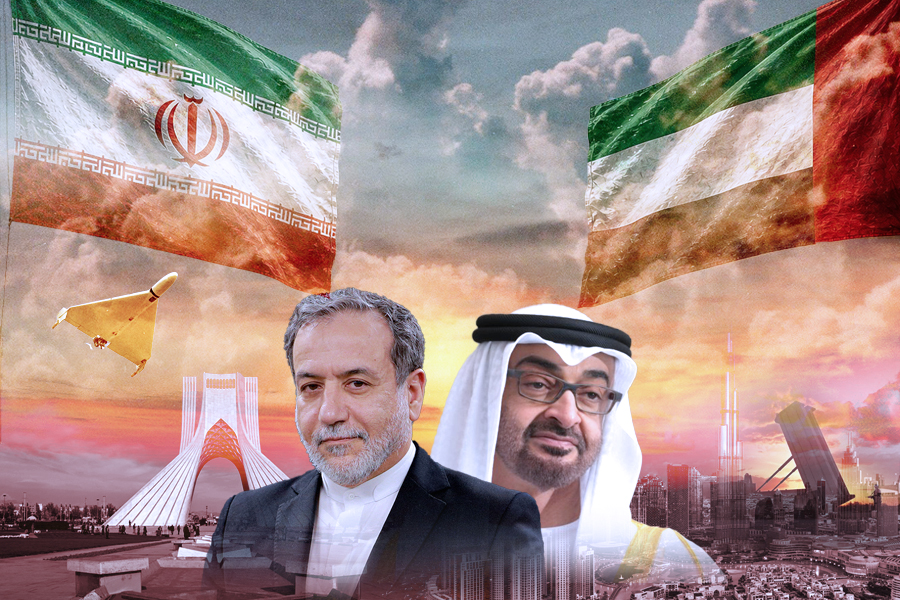
Shadow War Escalates: UAE Secretly Targeting Irani...
Recent reports from The Wall Street Journal reveal that the United Arab Emirates has been ...
-
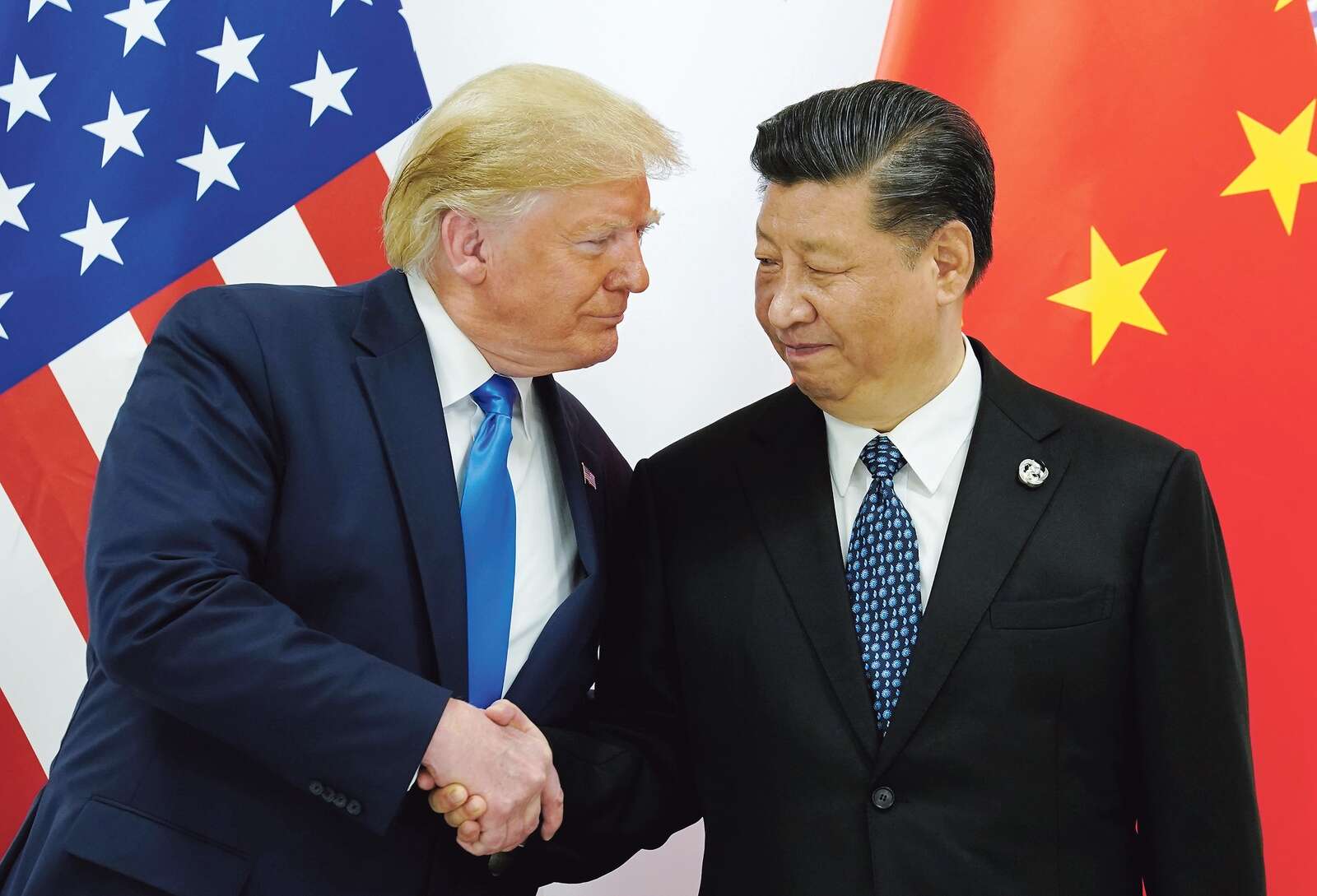
Strategic Shadows: US-Iran War Set to Overshadow T...
President Donald Trump is set to arrive in Beijing this Wednesday for a high-stakes three-...
-
Surety Reclaimed: LHC Orders Return of Rs70 Millio...
The Lahore High Court (LHC) on Monday, May 11, 2026, directed the return of Rs70 million d...
.jpg)
-
Fiscal Fortress: PM Sharif Extends Austerity Drive...
Prime Minister Shehbaz Sharif has officially extended the federal government's strict aust...