LEGAL
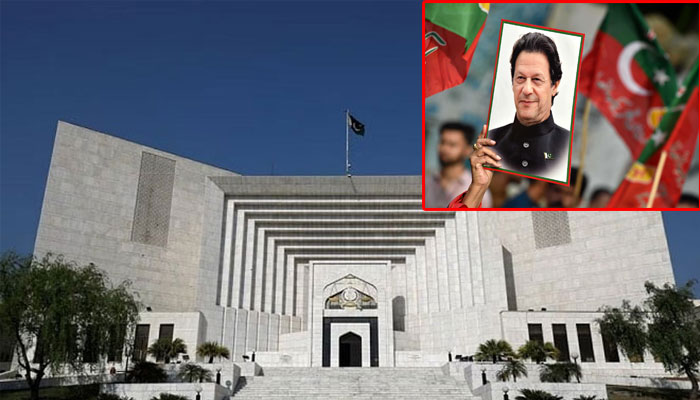
The Supreme Court of Pakistan has issued a detailed statement regarding Pakistan Tehreek-e-Insaf’s (PTI) protest outside the apex court and its engagement with the Chief Justice over concerns related to access to the party’s detained leader.
According to the statement, the Supreme Court received a memorandum from PTI parliamentarians after a delegation gathered outside the court on January 30. The memorandum outlined PTI’s concerns regarding access to its detained leader.
The statement said that during the protest, the Registrar of the Supreme Court met with PTI representatives, while PTI lawyer Salman Akram Raja was allowed to meet the Chief Justice. During these interactions, concerns were raised regarding family access to the detained PTI leader, as well as the provision of access to medical experts.
The Supreme Court clarified that the matter raised by the PTI delegation was not related to any pending judicial case. Instead, the concerns were administrative in nature and were subsequently forwarded to the relevant authorities for consideration in accordance with the law.
Following the submission of the concerns, the gathering dispersed peacefully, the statement added.
The court further stated that after not receiving a formal response for a week, PTI’s opposition leadership approached the Supreme Court again on February 6. The delegation included the Leader of the Opposition in both the Senate and the National Assembly.
On this occasion, a signed memorandum was formally received by the Registrar of the Supreme Court. The memorandum once again raised concerns regarding access to the detained PTI leader and included reservations over the provision of medical reports.
According to the statement, the memorandum has once again been forwarded to the relevant administrative authorities for appropriate action under the law.
The Supreme Court also announced that it has issued standard operating procedures (SOPs) to regulate similar matters in the future. These SOPs establish a formal mechanism for contacting relevant parties and emphasize the need to protect the dignity of institutions while safeguarding the rights of judicial affairs and other stakeholders.
The statement added that the SOPs stress accessibility, facilitation and the provision of essential facilities, including emergency medical care. The court said the new procedures are intended to bring discipline and clarity to such engagements going forward.
-
Justice Najafi Highlights Role and Progress of Pak...
Justice Ali Baqir Najafi says the Constitutional Court, established in Nov 2025, has resol...
-
IHC Appeals Filed Against 17-Year Conviction of La...
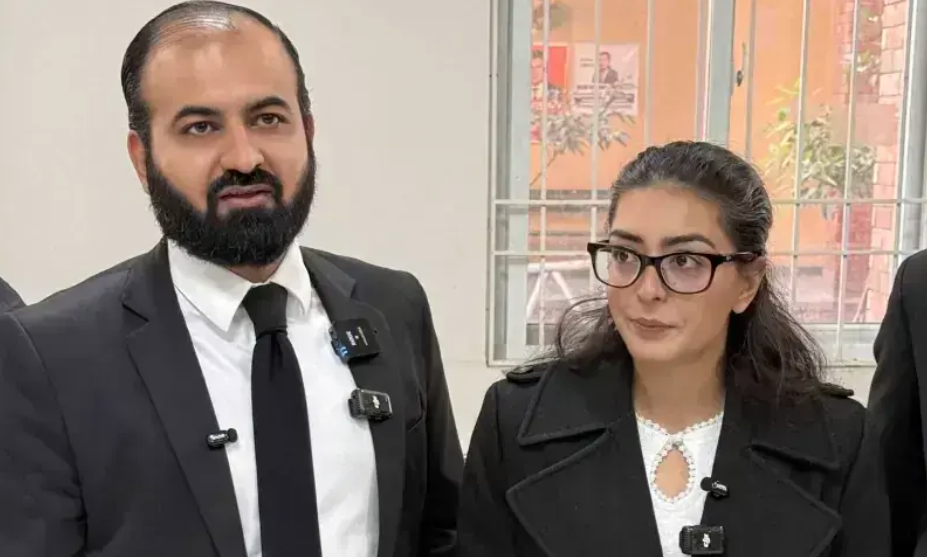
Lawyers Imaan Mazari-Hazir and Hadi Ali Chattha challenge 17-year jail verdict in IHC, cit...
-
Islamabad High Court Stays Arrest of Najaf Hameed ...
Islamabad High Court grants relief to Najaf Hameed, brother of former DG ISI Faiz Hameed, ...
-
Supreme Court to Hear Toshakhana Petitions Against...
Pakistan’s Supreme Court will hear criminal petitions in the Toshakhana case against PTI...
-
Khyber Pakhtunkhwa Government Calls for Unified Ap...
KP government vows united fight against terrorism, pledges resources & special development...