WORLD NEWS
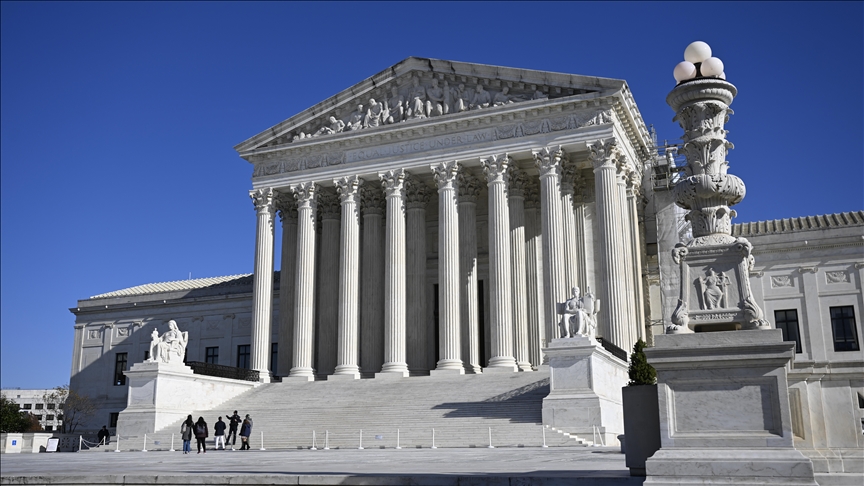
After a year of siding with former President Donald Trump in a series of emergency rulings, the U.S. Supreme Court has decisively struck down one of Trump’s signature policies in his second term, ruling that his imposition of sweeping global tariffs on nearly all U.S. trading partners exceeded his powers under federal law.
The 6-3 decision, authored by conservative Chief Justice John Roberts, upheld a lower court’s ruling that Trump’s use of the 1977 International Emergency Economic Powers Act (IEEPA) did not grant him authority to impose tariffs. Roberts wrote that the president’s argument, claiming that a phrase in the law gave him tariff powers, was incorrect.
“Our task today is to decide only whether the power to ‘regulate … importation,’ as granted to the president in IEEPA, embraces the power to impose tariffs. It does not,” Roberts wrote.
Remarkably, the ruling crossed ideological lines. Roberts and two conservative Trump appointees — Justices Neil Gorsuch and Amy Coney Barrett — joined the three liberal justices to strike down the tariffs. Three other conservative justices dissented.
Constitutional law experts hailed the ruling as a reassertion of the court’s role in checking presidential overreach. Jonathan Adler, a professor at William & Mary Law School, said, “The president cannot just pour new wine out of old bottles. If there are problems current statutes do not address, the president must ask Congress for a newer vintage.”
The ruling represents a departure from the court’s prior pattern over the last year, when it frequently sided with Trump in 24 of 28 emergency cases, including policies on immigration, military service, federal employment, and other controversial executive actions. These “shadow docket” decisions were often issued without full briefing or oral argument, in contrast to the rigorous review of the tariffs case.
Trump reacted angrily, criticizing even his own Republican appointees who voted against him, calling them “fools” and “lapdogs” for Democrats, and claiming the court was influenced by foreign interests.
Experts note that the tariffs ruling does not necessarily curtail Trump’s broader presidential powers but signals that the Supreme Court will not automatically provide legal cover for every executive action. Peter Shane, a constitutional law expert at NYU, remarked, “The decision shows the Supreme Court is serious about policing the scope of power delegated to the president by Congress.”
The court is set to hear arguments on April 1 regarding another high-profile Trump policy, his directive to restrict birthright citizenship, which could further test the limits of presidential authority.
During his first term, Trump experienced notable losses in key cases, including challenges to the census citizenship question and protections for “Dreamers,” underscoring that the Supreme Court, even with a conservative majority, will occasionally rule against presidential initiatives.
-
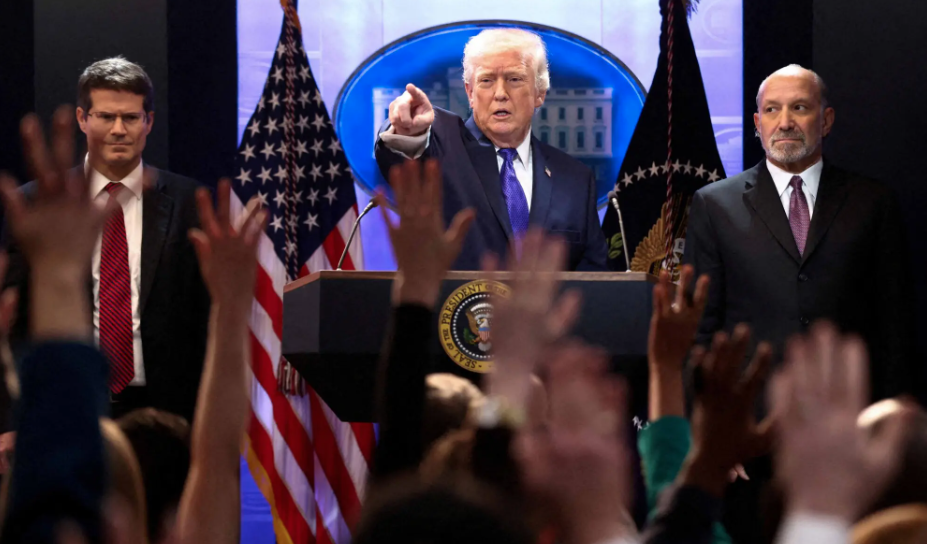
Trump Raises Global Tariffs to 15% After Supreme C...
After a Supreme Court setback, President Donald Trump hikes global import tariffs to 15% â...
-
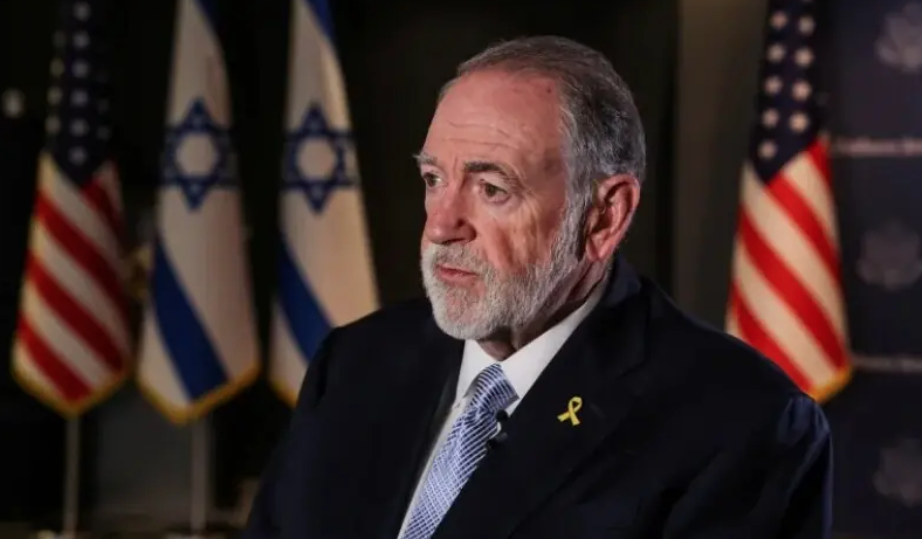
US Ambassador to Israel Mike Huckabee Sparks Contr...
US Ambassador Mike Huckabee suggests Israel could expand to biblical borders, from the Nil...
-
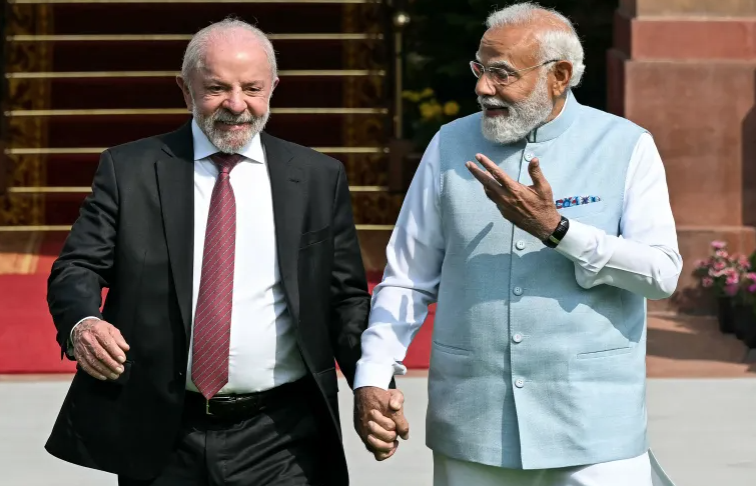
Brazil, India Sign Landmark Agreement on Critical ...
Brazil and India have inked a deal to boost cooperation on critical minerals and rare eart...
-
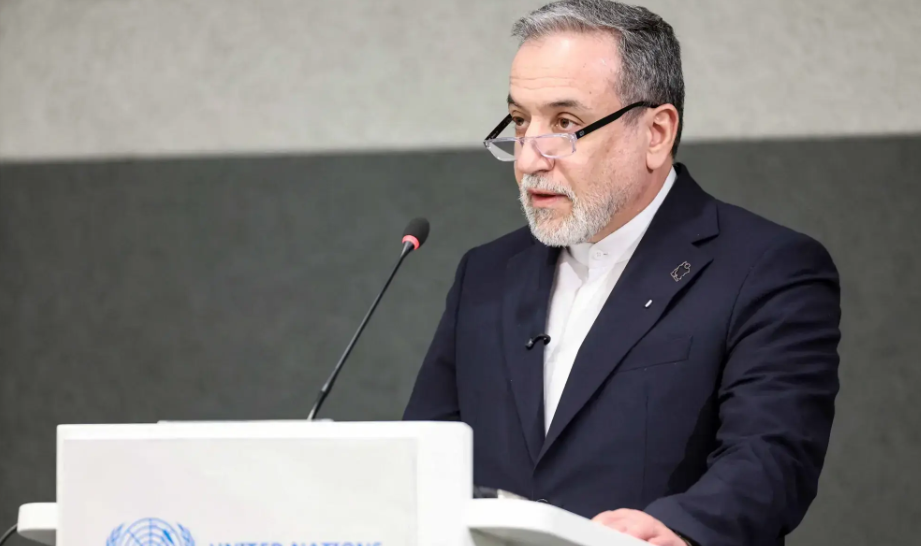
Iran to Submit Nuclear Deal Proposal to US Amid Tr...
Iran says it will present its nuclear deal draft to the US in coming days, disputing Trump...
-
Europe’s Leading Defence Powers Join Forces to D...
France, Germany, Italy, Poland & UK team up on €multi-million project to develop low-cos...