MILITARY
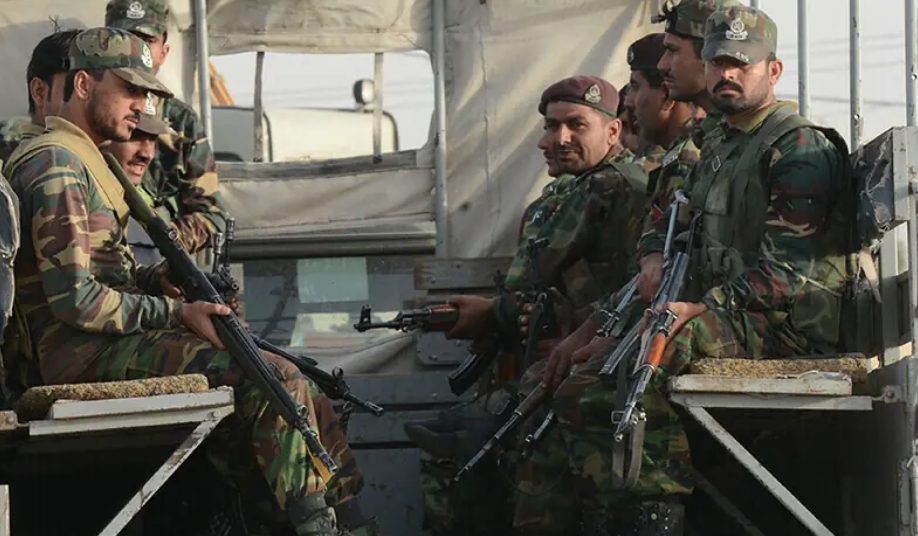
Pakistan recorded a significant 35 per cent decline in combat-related fatalities during March, coinciding with the ongoing Operation Ghazab lil-Haq, according to data released by the Pakistan Institute for Conflict and Security Studies (PICSS).
The report revealed that 331 people were killed in March, compared to 506 in February, highlighting a notable reduction in overall casualties despite a surge in militant activity.
PICSS noted that the decline in fatalities aligns with Pakistan’s cross-border strikes targeting militant positions in Afghanistan, suggesting these operations may have disrupted militant capabilities and reduced the lethality of attacks.
Decline in Casualties Despite Increased Attacks
Interestingly, while militant attacks increased from 83 in February to 146 in March, their overall impact diminished. High-profile attacks declined, and militant groups appeared to shift towards lower-intensity operations.
In response to the military offensive, groups such as Tehreek-i-Taliban Pakistan, Jamaatul Ahrar, and Ittihadul Mujahideen announced an escalation in attacks. However, the report observed that the resulting damage remained comparatively limited.
Civilian fatalities saw the most dramatic drop, falling by 70 per cent from 132 in February to just 39 in March. Fatalities among security forces also declined by 26 per cent, from 80 to 59, while militant deaths decreased by 22 per cent from 294 to 228.
Overall injuries also fell by 37 per cent, with 210 reported cases in March compared to 333 in February. Civilian injuries dropped significantly by 62 per cent, reflecting improved protection or reduced attack severity.
However, militant injuries surged by 138 per cent, indicating increased engagement with security forces.
Rising Attacks on Softer Targets
Despite the overall decline in violence, the report highlighted a concerning rise in attacks on pro-government peace committee members, with five killed and seven injured in March compared to none in the previous month.
This trend suggests a tactical shift by militant groups towards softer targets amid heightened security operations.
Province-Wise Breakdown
In Balochistan, 189 combat-related deaths were recorded in March, down from 285 in February — a 34 per cent decrease. Civilian deaths dropped sharply by 79 per cent, while militant fatalities also declined. However, injuries among both civilians and security personnel increased, and eight individuals were reported kidnapped.
The merged districts of Khyber Pakhtunkhwa (erstwhile Fata) saw a 42 per cent drop in fatalities, though injuries surged significantly. The region also reported the only suicide attack of the month.
In mainland Khyber Pakhtunkhwa, fatalities remained largely unchanged, but security forces’ deaths declined. Meanwhile, militant deaths increased, and attacks on peace committee members were recorded.
In Punjab, no militant attacks were reported, although security forces killed four militants during operations.
Similarly, Sindh witnessed no militant attacks, though authorities arrested eight suspects.
In Gilgit-Baltistan, an attempted हमला on a security post near the Diamer-Bhasha Dam was successfully foiled, with no casualties reported.
Broader Context
The report comes against the backdrop of rising terrorism trends in Pakistan. According to the Global Terrorism Index, the country ranked first in 2025 for terrorism impact, marking a six per cent increase in terrorism-related deaths and the sixth consecutive year of rising fatalities.
Outlook
While the reduction in casualties offers a positive signal, analysts caution that the increase in attack frequency and shifting militant tactics highlight an evolving threat landscape. Sustained security operations, combined with strategic policy measures, will be crucial to maintaining and building on these gains.
-
Cross-Border Terror Has Tested Our Patience; Attac...
Pakistan’s Foreign Office has issued a strong warning to Afghanistan, stating that cross...
-
Pakistan’s Progress is Unstoppable': COAS Gen As...
Field Marshal Syed Asim Munir visited the Command and Staff College in Quetta, declaring t...
-
GHQ to Commemorate First Anniversary of "Marka-e-H...
General Headquarters (GHQ) in Rawalpindi will host a grand ceremony on Sunday, May 10, 202...
-
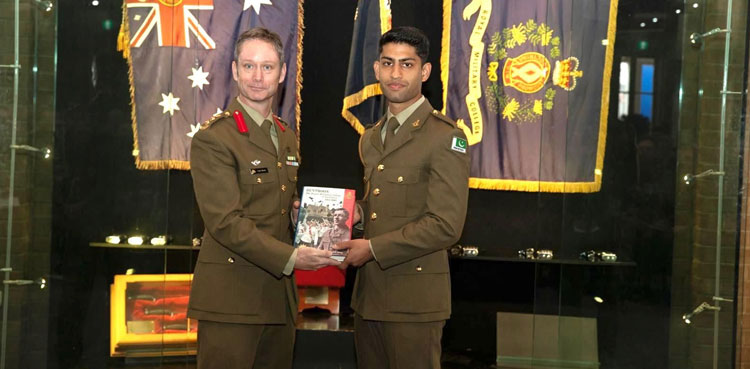
Pakistani Cadet Sardar Arsam Abbas Named Best Fore...
Pakistani Army cadet Sardar Arsam Abbas has been awarded the “Overall Best Foreign Milit...
-
275th Corps Commanders’ Conference: Pakistan Arm...
Pakistan’s military leadership, during the 275th Corps Commanders’ Conference, emphasi...