POLITICS & POLICY MAKING

After the Government of Pakistan signed a $2 billion asset tokenization agreement with global blockchain company Binance, former Finance Minister Asad Umar has questioned the transparency and selection process behind the project.
The Memorandum of Understanding (MoU) was signed at the Finance Division on Friday, with Federal Finance Minister Muhammad Aurangzeb, Binance CEO Richard Teng, and Binance founder Changpeng Zhao in attendance. The deal aims to explore the tokenization and distribution of Pakistan’s real-world and sovereign assets using blockchain technology. These assets could include government bonds, treasury bills, commodity reserves, and other federal assets, potentially totaling up to $2 billion.
According to the Ministry of Finance, the project seeks to increase liquidity, improve transparency, and provide better access to global markets for Pakistani assets, subject to legal, policy, and regulatory approvals.
However, Asad Umar expressed concerns on social media platform X, stating that Binance may not be the most prominent or credible partner for such a high-profile asset tokenization project. He also questioned whether major global financial institutions such as BlackRock, UBS, Goldman Sachs, JP Morgan, and HSBC were invited to participate.
The former finance minister emphasized that this is Pakistan’s first practical step in digital asset tokenization, and that the initial agreement will set the foundation for long-term credibility and success. Therefore, he argued, the decision-making process should be completely transparent.
Experts note that while the agreement could mark a significant step toward a digital economy in Pakistan, the lack of transparency, partner selection, and a robust regulatory framework could raise legitimate concerns. The coming weeks will likely reveal how the project progresses in practice and its potential impact on Pakistan’s financial markets.
-
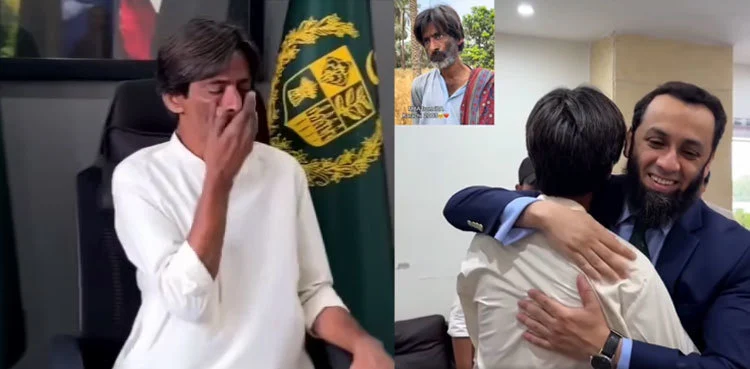
Attaullah Tarar Offers Support to Unemployed MBA G...
Federal Minister Attaullah Tarar meets Azhar Memon, an unemployed MBA graduate from Sindh,...
-
Imran Khan Seeks Weekly Contact with Sons, Lawyer ...
Former PM Imran Khan’s lawyer urges court to allow weekly calls with his sons amid ongoi...
-
US Rejects Iran’s Proposal to End War Over Nucle...
The US has rejected Iran’s proposal to end the war, saying it fails to address key conce...

-
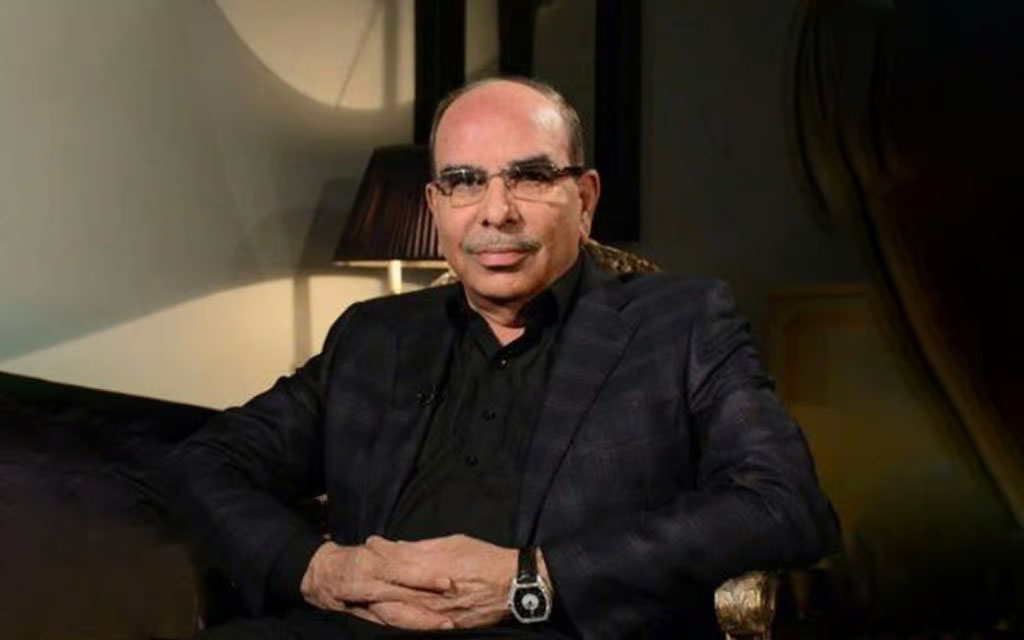
Interpol Issues Red Notices for Property Tycoon Ma...
International policing body Interpol has reportedly issued red notices against property ma...
-
Sindh Declares Public Holiday on May 1 for Labour ...
The Sindh government has announced a province-wide public holiday on May 1 to mark Interna...