WORLD NEWS
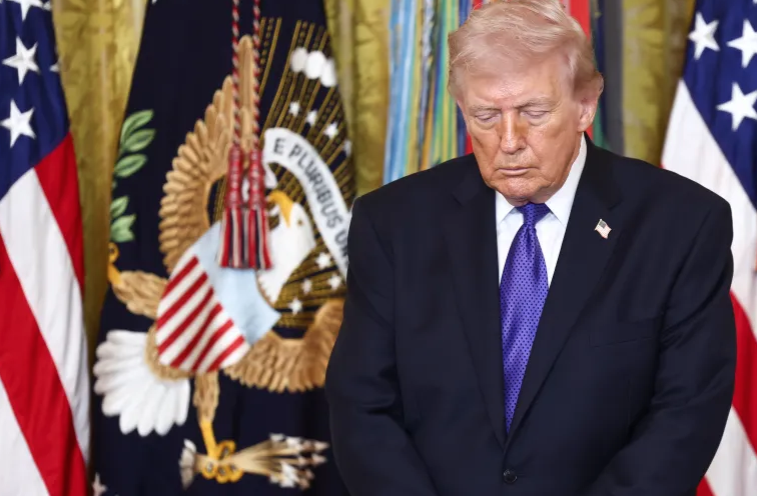
As the United States and Israeli militaries escalate strikes on Iran, the Trump administration has struggled to present clear evidence justifying its actions, drawing scrutiny from experts, lawmakers, and advocacy groups.
US President Donald Trump and Pentagon chief Pete Hegseth framed the strikes as necessary to counter both immediate threats and long-term dangers posed by Iran’s nuclear and ballistic programs. Secretary of State Marco Rubio emphasized that US action was preemptive, citing a potential Israeli attack on Iran that could provoke retaliation against American forces.
However, analysts and Democratic lawmakers briefed on classified intelligence say the administration has provided little evidence of an imminent threat. Emma Belcher, president of the denuclearization advocacy group Ploughshares, noted, “They’ve put forth very little evidence… it also says to me that the evidence quite possibly isn’t there.”
Senior Democrats, including Senators Tim Kaine and Mark Warner, confirmed that classified briefings offered no indication that Iran was about to strike the US, raising concerns about the administration’s legal justification under both domestic and international law.
Experts point out that Iran’s nuclear capabilities remain constrained. Its highest-grade uranium enrichment and conversion facilities were damaged in 2025 US strikes, and the country is not close to achieving intercontinental ballistic missile capabilities. “The latest assessment is that Iran could, if a decision is made, have an ICBM capability by 2035. So Iran is nowhere close to having an imminent ICBM threat,” said Daryl Kimball, executive director of the Arms Control Association.
Critics argue that Trump’s policy is shaped more by political narrative than evidence. Hegseth framed the conflict as an “America First” mission with decisive military action, contrasting it with the protracted Iraq War and emphasizing rapid, unilateral strikes without broader nation-building responsibilities.
Observers note that the administration’s handling of the Iran crisis is politically sensitive ahead of the November midterms. Public support for the strikes appears weak, with early polls showing uncertainty among Americans. Analysts warn that continued casualties and lack of clear evidence could become politically costly.
Ploughshares’ Belcher added that the conflict stems in part from the administration’s 2018 withdrawal from the Joint Comprehensive Plan of Action (JCPOA), which had previously limited Iran’s nuclear activities. “We’re in this situation precisely because President Trump gave up on an agreement that was negotiated by his predecessor,” she said.
While Republicans have largely supported the administration’s messaging, Democrats are exploring war powers legislation to assert congressional authority over military actions. The debate over evidence, legality, and public support highlights the growing tension around US military intervention in the Middle East.
-
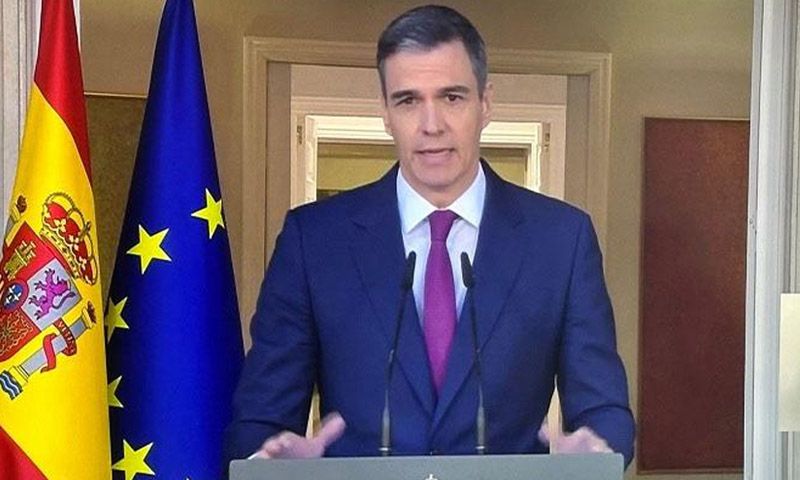
Spain Rejects US Pressure, Condemns War and Violat...
Spanish PM Pedro Sanchez vows Spain will not join illegal wars or give in to US pressure, ...
-
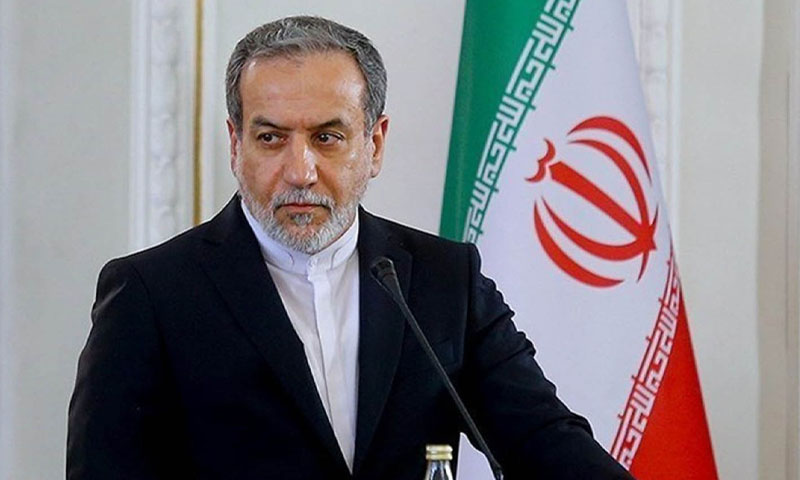
Iran’s Araqchi Accuses Trump of Betraying Diplom...
Iranian FM Abbas Araqchi says Trump “betrayed diplomacy” by treating nuclear talks lik...
-
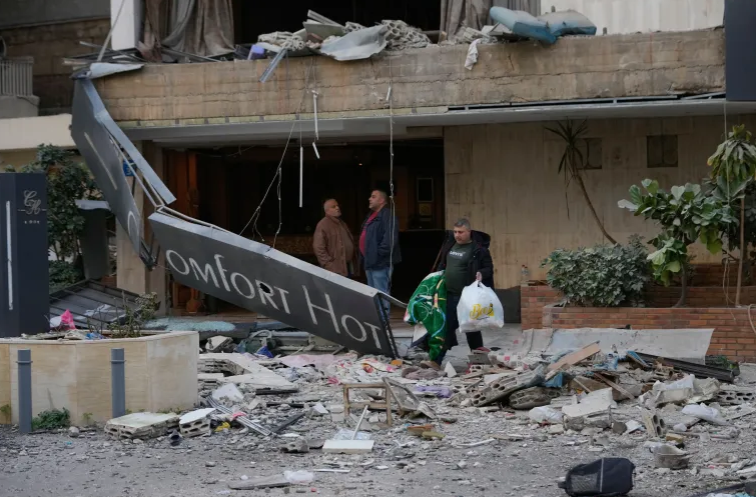
Israeli Strikes Kill Dozens in Lebanon Amid Escala...
Israeli airstrikes hit Beirut suburbs and eastern Lebanon, killing 11+ and displacing tens...
-
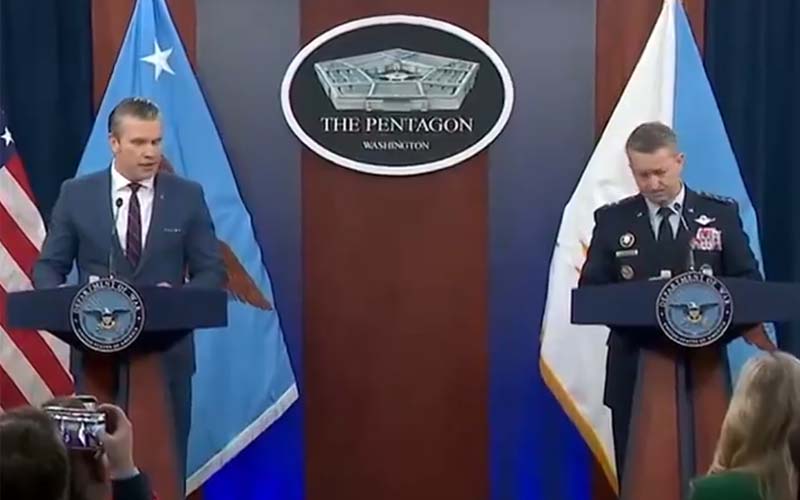
US Claims Gains in Iran Conflict, Reinforcements D...
US Secretary of Defense: “We are winning in Iran, control of airspace imminent, and rein...
-
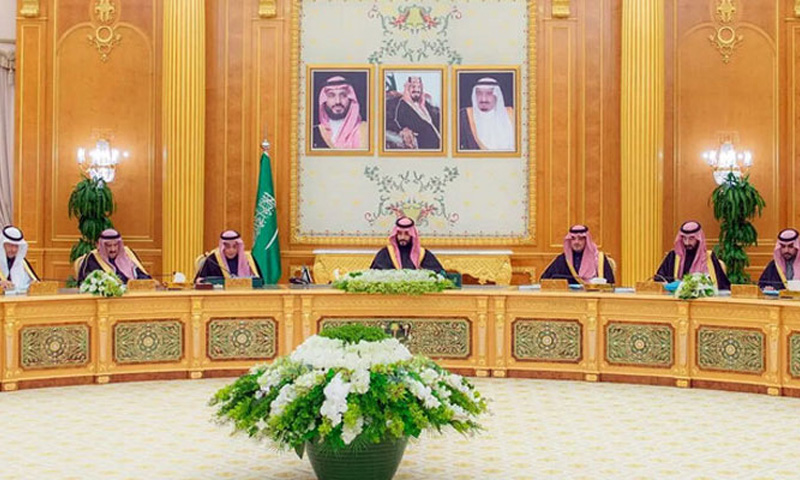
Saudi Arabia Reserves Right to Respond to Iranian ...
Saudi Arabia warns it may respond to Iranian attacks. Cabinet also addresses Gulf traveler...