WORLD NEWS

U.S. President Donald Trump on Sunday warned that the United States could raise tariffs on Indian goods if New Delhi fails to curb its purchases of Russian oil, intensifying pressure on the South Asian nation as bilateral trade negotiations remain inconclusive.
“Prime Minister Modi is a good guy. He knew I was not happy, and it was important to make me happy,” Trump said aboard Air Force One, adding, “They do trade, and we can raise tariffs on them very quickly.”
Trump’s remarks come after months of trade tensions, following Washington’s decision to double import tariffs on Indian goods to 50% last year in response to India’s continued purchases of Russian crude.
Market Reactions and Economic Impact
Indian markets reacted sharply, with the Information Technology stock index (.NIFTYIT) falling about 2.5% on Monday to its lowest level in over a month amid investor concerns that worsening trade relations could further delay a U.S.-India trade deal.
Republican Senator Lindsey Graham, a Trump ally traveling with the president, stated that U.S. sanctions and tariffs had already helped reduce India’s Russian oil imports. Graham is backing legislation to impose tariffs as high as 500% on countries that continue buying Russian oil. “If you are buying cheap Russian oil, (you) keep Putin's war machine going,” he said.
India’s Strategic Calculus
While Indian refiners have scaled back imports of Russian crude following sanctions, purchases have not completely stopped. Trade experts warn that India’s cautious approach may weaken its negotiating position.
Ajay Srivastava, founder of the Global Trade Research Initiative, said Indian exports are already burdened by a 50% U.S. tariff, including 25% tied to Russian oil purchases. “Ambiguity no longer works,” he said, urging India to clearly define its stance. He added that even a complete halt of Russian oil imports may not prevent U.S. pressure, which could extend to other trade issues, and that higher tariffs risk deeper export losses.
Diplomatic Maneuvers
India has sought to manage tensions through diplomacy, including weekly reporting requirements for refiners’ Russian and U.S. oil purchases to address U.S. concerns. Modi has reportedly spoken with Trump at least three times since the imposition of tariffs, and India’s commerce secretary met U.S. trade officials last month, though no breakthrough has been achieved.
India also adopted a cautious stance on U.S. actions in Venezuela after the capture of President Nicolas Maduro, urging dialogue without directly naming Washington.
With exports to the U.S. rising in November despite the steep tariffs, New Delhi faces the delicate task of balancing strategic energy needs with the goal of securing a trade deal with Washington.
-
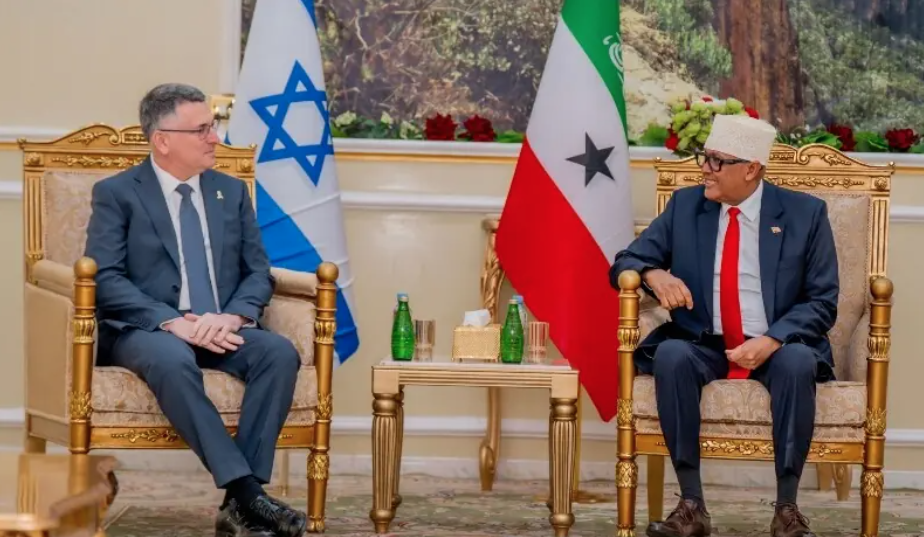
Israel’s Foreign Minister Visits Somaliland, Spa...
Israel recognizes Somaliland; FM Gideon Saar visits amid Somalia, AU, and OIC condemnation...
-
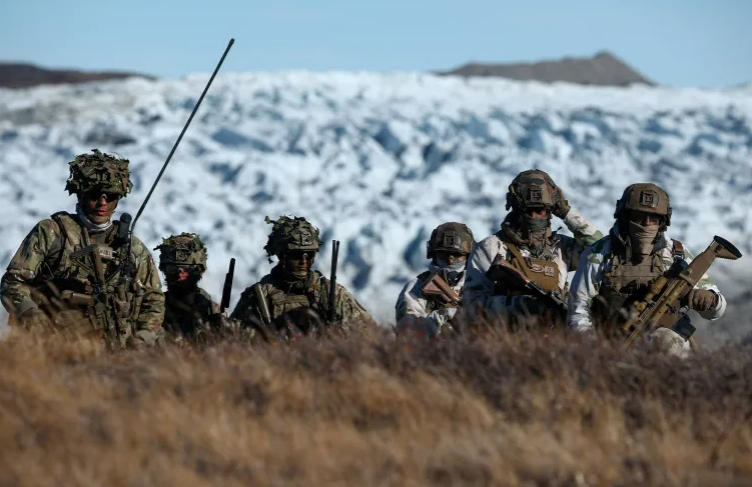
Europe Pushes Back Against Trump’s Greenland Tak...
European leaders, including Macron, Merz, and Starmer, reject Trump’s calls to annex Gre...
-
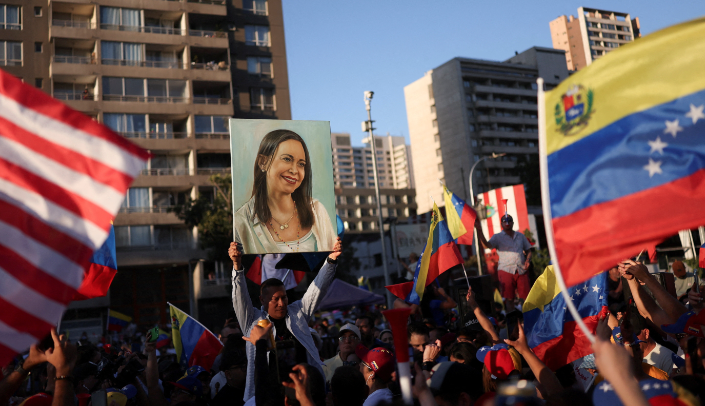
Venezuela Opposition Leader Machado Vows Return Am...
Venezuela opposition leader Maria Corina Machado pledges to return home, hails Trump for t...
-
Israel Strikes Gaza Despite US-Brokered Ceasefire,...
Israel launches artillery and helicopter attacks in southern Gaza despite a US-brokered tr...

-
Taliban Issues Decree Extending Detention Period, ...
Afghan Taliban leader Haibatullah Akhundzada issues decree extending suspect detention fro...
