WORLD NEWS
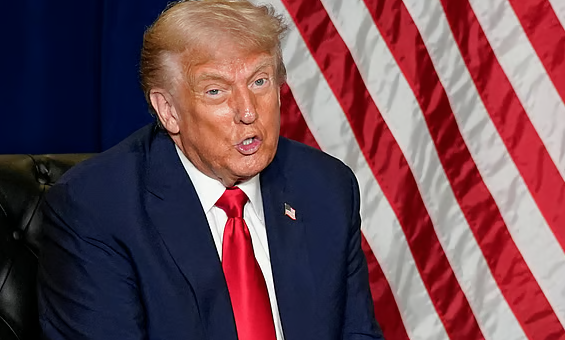
US President Donald Trump on Monday announced a 25% tariff on any country doing business with Iran, escalating pressure as Tehran faces widespread protests and civil unrest. In a social media post, Trump described the order as “final and conclusive,” though he did not specify which countries would be affected.
Iran’s main trading partners include China, Turkiye, the United Arab Emirates, and Iraq, according to Trading Economics. The move comes amid over two weeks of nationwide demonstrations sparked by economic grievances, which have grown into one of the most significant challenges to Iran’s theocratic system since the 1979 Islamic Revolution.
US-Iran Relations and Security Risks
Trump has repeatedly threatened Iran with military action but said diplomacy remains the first option. The State Department advised US-Iranian dual nationals to leave Iran using Iranian passports, citing the risk of detention, as Iran does not recognize dual nationality.
Global Reactions
China opposed the tariff threat, condemning “illicit unilateral sanctions and long-arm jurisdiction,” and warning that trade wars have no winners. The European Union voiced support for protesters and is considering additional sanctions on Iran. The European Parliament has banned Iranian diplomats from its premises, and French President Emmanuel Macron condemned state violence targeting civilians.
Meanwhile, Russia criticized foreign interference in Iran’s internal affairs, according to state media in Moscow.
Iran’s Response
Iran’s Supreme Leader Ayatollah Ali Khamenei hailed government-backed rallies as proof that the protest movement had been defeated, calling the demonstrations a warning to the United States. Parliament Speaker Mohammad Bagher Ghalibaf described Iran as facing a “four-front war” — economic, psychological, military with the US and Israel, and counter-terrorism against domestic protests.
Foreign Minister Abbas Araghchi said Iran is “not seeking war but is fully prepared for war,” while maintaining that channels of communication with the US remain open. State media highlighted a sense of calm in Tehran, with traffic flowing and fewer protests reported.
Human Rights Concerns
Rights groups warn that the Iranian government’s near-total internet blackout and crackdown have made it difficult to verify casualty figures. Iran Human Rights (IHR) urged the international community to protect civilians, emphasizing the need to hold Iran accountable for alleged mass killings.
Summary
The Trump administration’s tariffs, coupled with the crackdown in Iran, signal a period of heightened tension in US-Iran relations, with potential global economic and security ramifications.
-
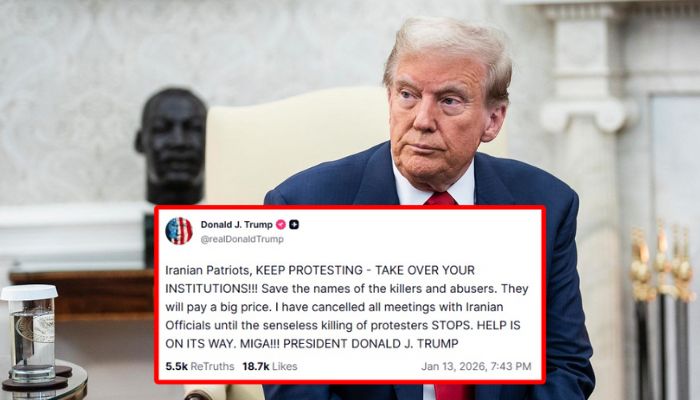
Trump Urges Iranians to Continue Protests, Says â€...
US President Donald Trump backs Iranian protesters, urging them to continue demonstrations...
-
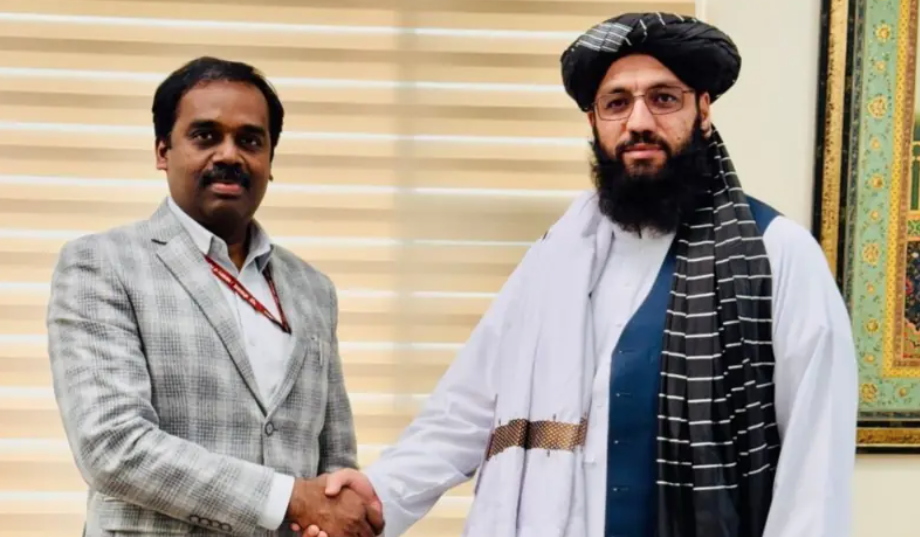
Taliban Appoints First Senior Official to Lead Emb...
Afghanistan’s Taliban names Noor Ahmad Noor as charge d’affaires in Delhi, signaling d...
-
Russia Launches Massive Missile, Drone Strikes Acr...
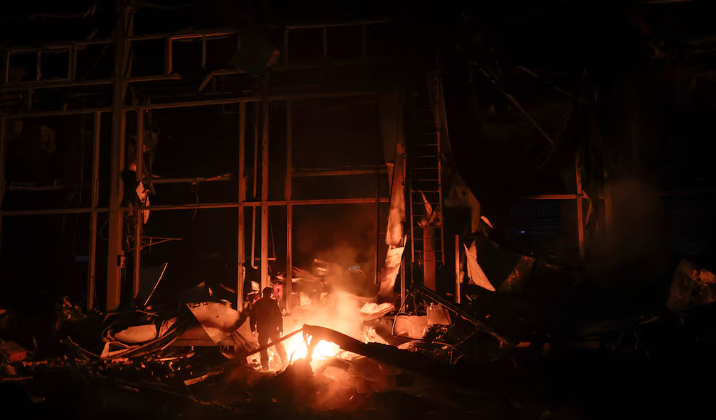
Russia hits Ukraine with nearly 300 drones and missiles overnight, targeting energy facili...
-
Global Central Bank Chiefs Rally Behind Fed Chair ...
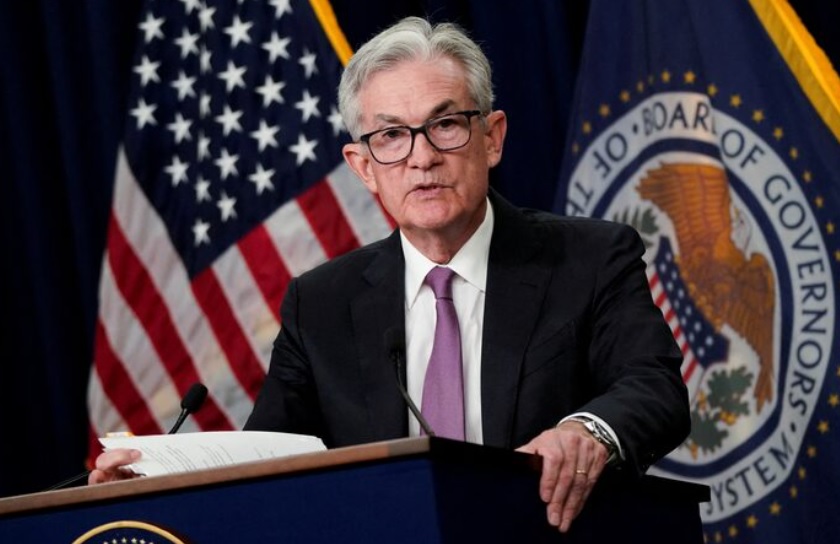
World’s top central bankers issue rare joint statement backing Fed Chair Jerome Powell a...
-
Syrian Army Declares Eastern Aleppo Towns Military...
Syrian army declares Maskana and Deir Hafer closed military zones, accusing SDF of regroup...