WORLD NEWS
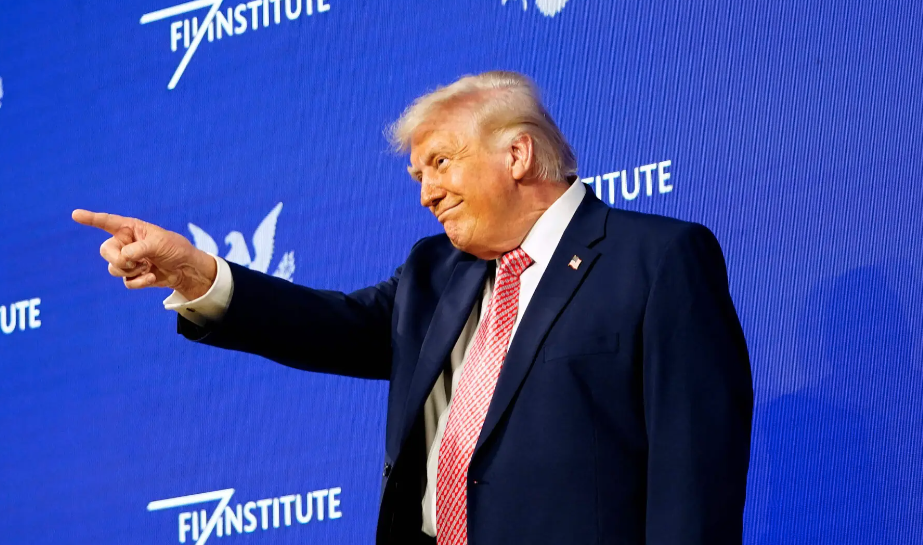
United States President Donald Trump stirred international attention on Friday by declaring that “Cuba is next” in his latest warning against the Caribbean nation, escalating tensions with Havana and drawing widespread concern about the future of U.S.–Cuba relations.
Speaking at the Saudi‑backed FII Priority investment forum in Miami, Trump dismissed concerns that recent aggressive U.S. military actions would erode his political support, instead emphasizing strength and victory for his Make America Great Again (MAGA) movement. He cited recent operations in Venezuela and Iran as examples of “the great military” he has built and said, “I built this great military. I said, ‘You’ll never have to use it,’ but sometimes you have to use it. And Cuba is next, by the way.” He then joked, “But pretend I didn’t say that,” drawing laughter from the audience.
While Trump did not outline specific plans for Cuba, his remarks added to a pattern of escalating U.S. pressure following a de facto oil blockade imposed earlier this year, which has contributed to severe fuel shortages and widespread blackouts on the island. The U.S. disruption of Venezuelan oil shipments—previously a vital source for Cuba’s energy needs—has deepened the Caribbean nation’s economic crisis.
Trump also made a lighter comment during his speech, referring to the strategic Strait of Hormuz as the “Strait of Trump,” underscoring the combative tone of his foreign policy remarks.
The Cuban government has responded strongly to mounting U.S. pressure. Miguel Diaz-Canel warned last week that any external aggression would be met with “unbreakable resistance” even as the country suffered two nationwide blackouts within a week. Cuba’s leadership has engaged in limited diplomatic talks with U.S. officials in an apparent attempt to avert confrontation, though Havana insists that discussions about altering its political system are off the table.
Relations between the United States and Cuba have been historically fraught since the 1959 Cuban Revolution, with a long‑standing trade embargo in place. Ties briefly eased in recent years, but have sharply deteriorated under Trump’s second presidency, which has pursued a tougher stance on Latin America and intensified pressure on Havana.
In a related development, two sailboats that were part of an international convoy delivering medical supplies, food, and solar panels to Cuba were initially reported missing, prompting international concern. However, U.S. Coast Guard updates indicate that these vessels have since safely reached Cuban waters, carrying aid amid the humanitarian strain caused by the fuel and economic crisis.
Trump’s remarks reflect broader and growing tension over Cuba’s stability and the future of bilateral relations. Though the exact contours of U.S. policy remain unclear, his warning has sharpened global focus on what might come next in one of the most enduring flashpoints in U.S.–Latin American relations.
-
Russia Imposes Temporary Petrol Export Ban...
Russia halts petrol exports from April 1 to July 31, 2026, to stabilize domestic fuel pric...
-
US Lawmakers Hesitant to Curb Trump’s Iran War a...
A month into the US-Israeli war on Iran, public disapproval rises but Congress remains div...
-
Iran Warns Neighbors Against Hosting Attacks, Stri...
Iranian President Masoud Peshmerga warns regional countries: “Don’t let enemies use yo...
-
Israeli Airstrike Kills Two Lebanese Journalists i...
Two Lebanese journalists, Ali Shoaib (Al Manar) and Fatima Ftouni (Al Mayadeen), killed in...

-
Ukraine Signs Defense Cooperation Deals with UAE a...
President Zelenskiy seals defense agreements with UAE and Qatar, sharing expertise on miss...