WORLD NEWS
U.S. President Donald Trump is reportedly exploring military options against Iran, including targeted strikes on security forces and senior leaders, aiming to embolden protesters following the recent nationwide crackdown that left thousands dead. Multiple sources told Reuters that Trump’s aides are evaluating strategies to create conditions for what some officials describe as “regime change,” though no final decision has been made.
Two U.S. sources familiar with the discussions said the options under consideration include precision strikes on commanders and institutions Washington holds responsible for the violent suppression of demonstrators. Another option under review involves larger-scale attacks targeting ballistic missile sites or Iran’s nuclear enrichment facilities—programs Iran maintains as deterrence against Israel.
The deployment of a U.S. aircraft carrier and accompanying warships to the Middle East this week has increased the administration’s military options. Trump has repeatedly warned of intervention following the crackdown on protesters, which has been described as the bloodiest since Iran’s 1979 Islamic Revolution.
Protests and Regional Concerns
Analysts and regional officials warn that strikes could backfire, weakening a protest movement already reeling from government repression. Alex Vatanka, director of the Iran Program at the Middle East Institute, stated that without major defections within Iran’s military, protests remain “heroic but outgunned.”
Iranian leadership, led by Supreme Leader Ayatollah Ali Khamenei, has largely maintained control, even as unrest continues amid severe economic crises. Khamenei has publicly acknowledged several thousand deaths during the protests and attributed the unrest to the U.S., Israel, and “seditionists.” Rights group HRANA estimates 5,937 deaths, while official figures put the toll at 3,117.
Diplomatic Signals
Trump urged Iran to negotiate a nuclear deal, warning that any future attack would surpass a previous June strike campaign against three nuclear sites. Tehran has expressed willingness for dialogue “based on mutual respect and interests,” while also signaling readiness to defend itself “like never before” if pushed.
Some Western and Arab officials stress that airstrikes alone would be insufficient to overthrow the Islamic Republic, noting that Iran has a succession plan and a powerful Revolutionary Guard Corps (IRGC) that dominates both security and large segments of the economy. Any foreign-driven leadership change could entrench hard-line rule, escalate regional tensions, and risk civil conflict akin to Iraq post-2003.
Regional Blowback
Gulf states—U.S. allies hosting major bases—have voiced opposition to military strikes on Iran, fearing retaliation via missiles or drone attacks, including from Tehran-aligned Houthi forces in Yemen. Saudi Arabia has refused to allow its territory or airspace to be used for strikes against Iran. Analysts warn that a fractured Iran could destabilize the wider Middle East, disrupt global oil flows, and create a humanitarian crisis.
While some U.S. and Israeli officials argue that a leadership transition could open doors for nuclear negotiation, the absence of a clear successor to Khamenei, combined with the entrenched power of the IRGC, makes outcomes highly unpredictable. Any military action, they caution, could intensify tensions rather than achieve political change.
-
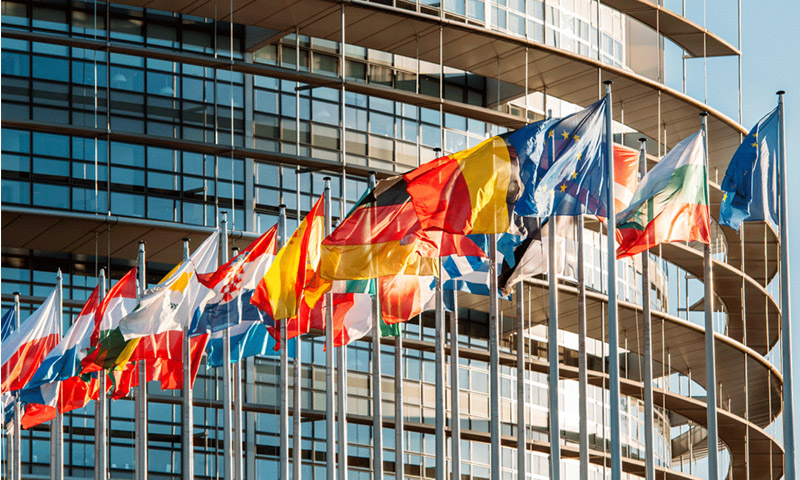
EU Designates Iran’s Revolutionary Guard as Terr...
The EU has officially listed Iran’s Revolutionary Guard Corps as a terrorist organizatio...
-
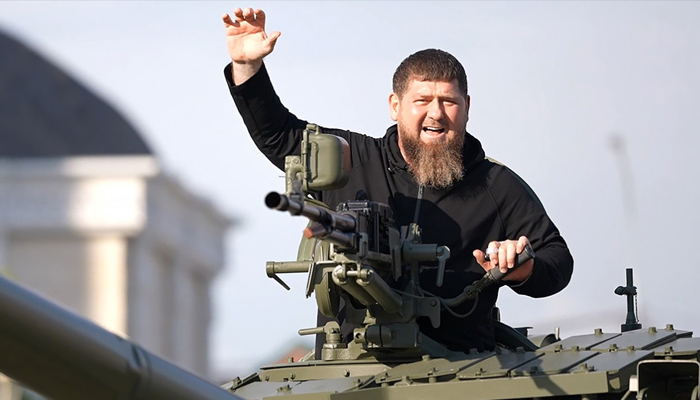
Chechen Leader Kadyrov Opposes Ukraine Peace Talks...
Chechen leader Ramzan Kadyrov has rejected negotiations to end the Ukraine war, saying Rus...
-
Starmer and Xi Reset UK-China Ties with Trade, Inv...
UK PM Starmer meets President Xi in Beijing, pledging closer trade, tech, and security coo...
-
UAE Rules Out Use of Territory for Military Action...
UAE declares its airspace, land, and sea will not be used for any attack on Iran, emphasiz...
-
EU Launches Probe Against Elon Musk’s X Over Sex...
The EU investigates X’s AI chatbot Grok for generating sexualised deepfake images of wom...