WORLD NEWS
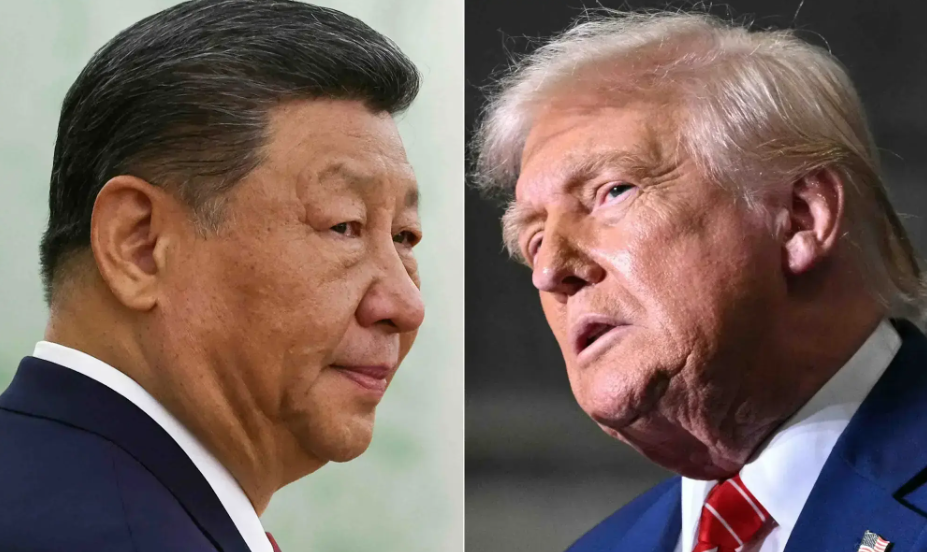
Just over two weeks before President Donald Trump is scheduled to meet Chinese President Xi Jinping in China, uncertainty lingers over the goals of the visit, particularly amid the ongoing war in Iran and tensions in US-China relations.
The state visit, set for March 31 to April 2, marks Trump’s first trip to China in his second term and is expected to focus on sealing a trade war truce, following discussions the leaders held in South Korea last October.
However, Chinese officials, who prefer highly choreographed diplomatic engagements, are reportedly uneasy about Trump’s unpredictable style. Sources familiar with summit preparations told AFP that Beijing anticipated more structured planning for the high-profile event.
A White House official, speaking on the record, emphasized that preparations are proceeding well, adding that Trump is “intent on levelling the playing field for American farmers, manufacturers, and working families.” The official also criticized the previous administration’s approach to planning, contrasting it with Trump’s hands-on style.
Trade and Business Concerns
US business leaders have expressed concern over delays in the formation of the delegation accompanying Trump, which could affect the substance of economic discussions. Sean Stein, president of the US-China Business Council, said invitations to business participants had not been sent as of early this week, potentially leaving the summit light on deliverables.
Meanwhile, US Treasury Secretary Scott Bessent is scheduled to meet Chinese Vice Premier He Lifeng in Paris ahead of the summit, likely to lay the groundwork for economic agreements. Analysts caution that last-minute preparation may limit the scope of trade announcements.
Tensions remain high following recent US trade investigations into China and other nations, which could lead to penalties replacing Trump-era tariffs that were overturned by the US Supreme Court.
Taiwan and Strategic Issues
The Taiwan issue also looms over the summit. Some US officials believe Xi may consider invading the self-governing island in 2027. Trump recently stated he would soon decide whether to provide additional military support to Taiwan, despite Xi’s warnings against such moves.
Iran War Casts Shadow
Perhaps the biggest uncertainty affecting the summit is the ongoing war in the Middle East. Analysts note that if hostilities persist into April, the conflict may dominate discussions.
China has condemned US-Israeli attacks on Iran, which have disrupted oil imports critical to its economy, yet has refrained from concrete actions that might provoke Washington. Trump has downplayed the discord, portraying the US military presence as helping to keep the Strait of Hormuz open for oil shipments — a key artery for global energy trade.
China’s neutrality may allow it to maintain trade and energy access, including oil transit through the strait, while Xi may use the summit to project stability and statesmanship, avoiding direct confrontation with the US or the Iran issue.
“Chinese officials probably want to avoid any public display of acrimony with Trump,” said Jean-Loup Samaan, senior research fellow at the National University of Singapore’s Middle East Institute.
With trade, Taiwan, and the Iran war all in the mix, the Beijing summit is shaping up as a high-stakes encounter, balancing strategic interests with domestic and international perceptions of both leaders.
-
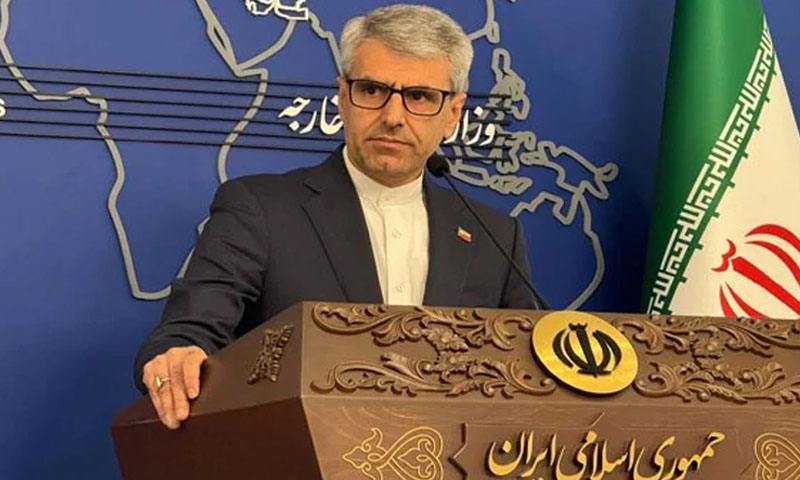
Iran Vows to Never Admit Defeat, Condemns US and I...
Iranian FM spokesperson Esmail Baghai says Iran will never surrender, calling US and Israe...
-
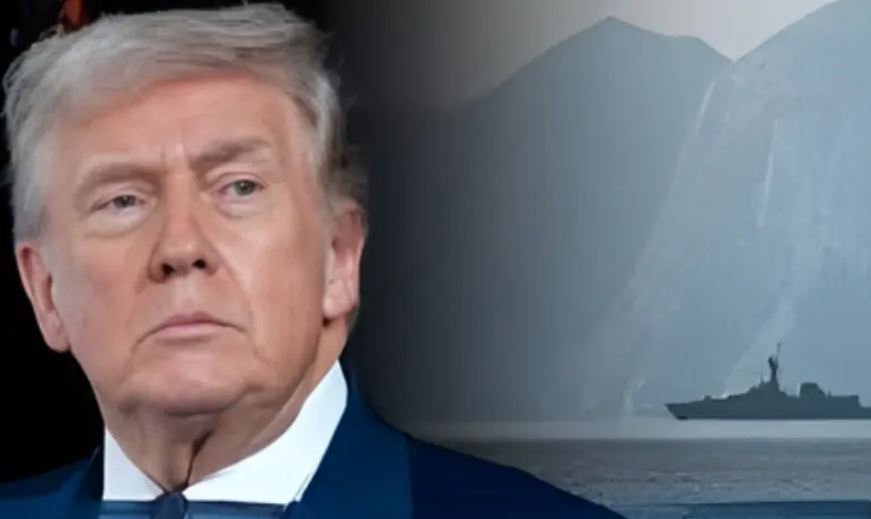
Trump Vows to Keep Strait of Hormuz Open, Warns of...
US President Trump warns Iran against closing the Strait of Hormuz, pledging military acti...
-
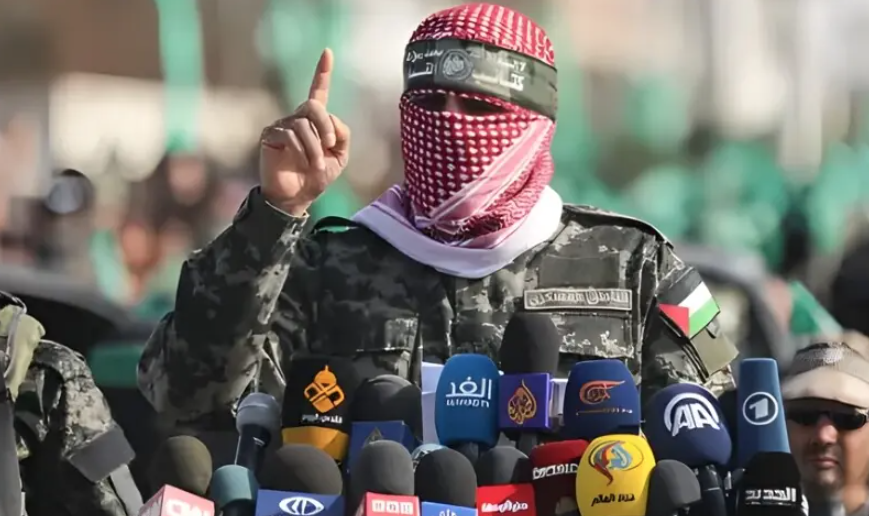
Hamas Urges Iran to Defend Itself Without Targetin...
Hamas advises Iran to respond to US and Israeli attacks cautiously, avoiding retaliation a...
-
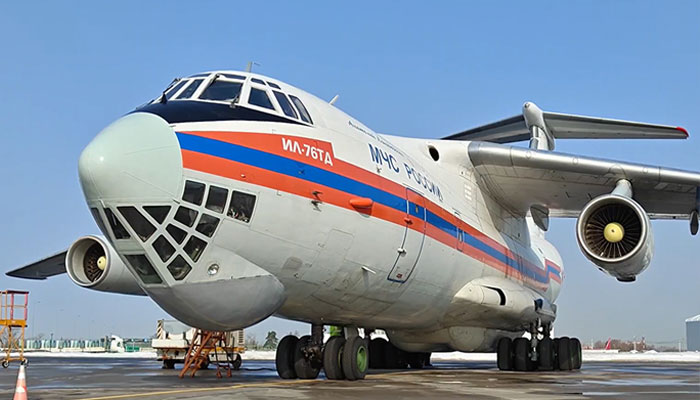
Russia Sends First Humanitarian Aid to Iran Amid R...
Russia has dispatched 13+ tons of medical supplies to Iran via Azerbaijan, becoming the fi...
-
Yemen’s Houthis Pledge Military Alignment with I...
Yemen’s Houthi rebels declare readiness to support Iran militarily, warning that “our ...