WORLD NEWS
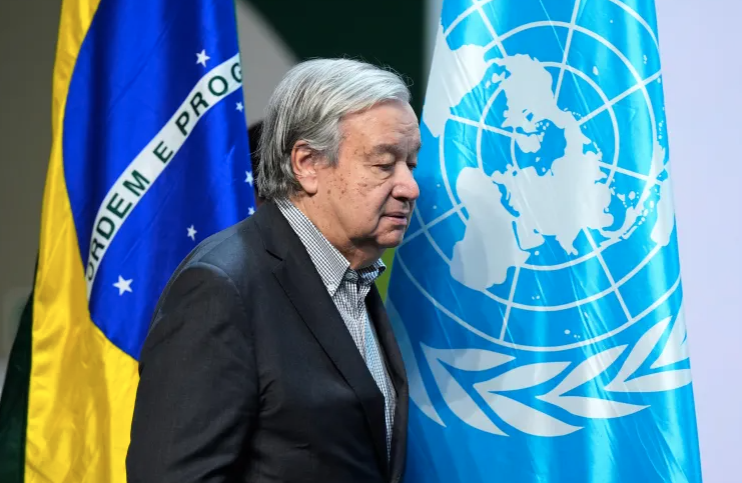
United Nations Secretary-General Antonio Guterres has announced a significant reduction in the UN’s budget and workforce for 2026 as unpaid dues from member states surge to $1.59 trillion.
Guterres set next year’s overall UN budget at $3.24 billion, a decrease of $577 million from 2025, marking a 15.1% reduction. In addition, staff levels will be reduced by 18.8%, amounting to 2,681 positions across multiple UN agencies. The cuts target roles deemed more efficient if outsourced or streamlined.
The secretary-general emphasized that the budget for the UN Relief and Works Agency for Palestine Refugees (UNRWA) will remain intact due to the critical humanitarian needs in Gaza. Similarly, funds for the UN’s Development Account and Africa-focused advocacy will remain at 2025 levels.
“These reductions will not impact UNRWA, which forms the backbone of humanitarian response in Gaza,” Guterres said.
Unpaid dues from major member states including the United States, China, Russia, and Mexico have contributed to a liquidity crisis, leaving 18% of UN positions vacant. Guterres clarified that these vacancies are due to funding shortages rather than strategic decisions.
Special political missions will face cuts as well, with a $149.5 million (21.6%) reduction, bringing their 2026 budget to $543.6 million. Some missions will be closed, while others will see operations scaled back.
In a move to reduce costs in New York, where UN headquarters are located, Guterres plans to terminate two leases by late 2027, saving $24.5 million annually from 2029. The UN has already saved $126 million since 2017 through office closures.
The UN’s leadership stressed that these budgetary adjustments are necessary to maintain core functions while addressing the financial shortfall caused by member states’ unpaid contributions.
-
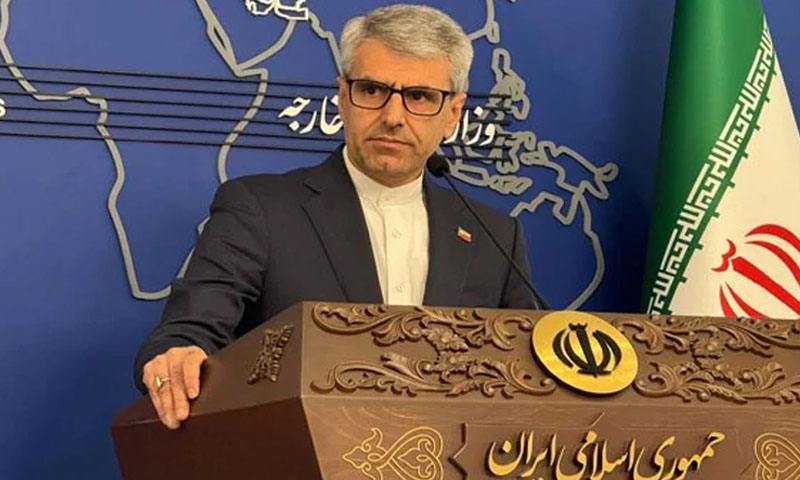
Iran Vows to Never Admit Defeat, Condemns US and I...
Iranian FM spokesperson Esmail Baghai says Iran will never surrender, calling US and Israe...
-
Trump Vows to Keep Strait of Hormuz Open, Warns of...
US President Trump warns Iran against closing the Strait of Hormuz, pledging military acti...

-
Hamas Urges Iran to Defend Itself Without Targetin...
Hamas advises Iran to respond to US and Israeli attacks cautiously, avoiding retaliation a...

-
Russia Sends First Humanitarian Aid to Iran Amid R...
Russia has dispatched 13+ tons of medical supplies to Iran via Azerbaijan, becoming the fi...

-
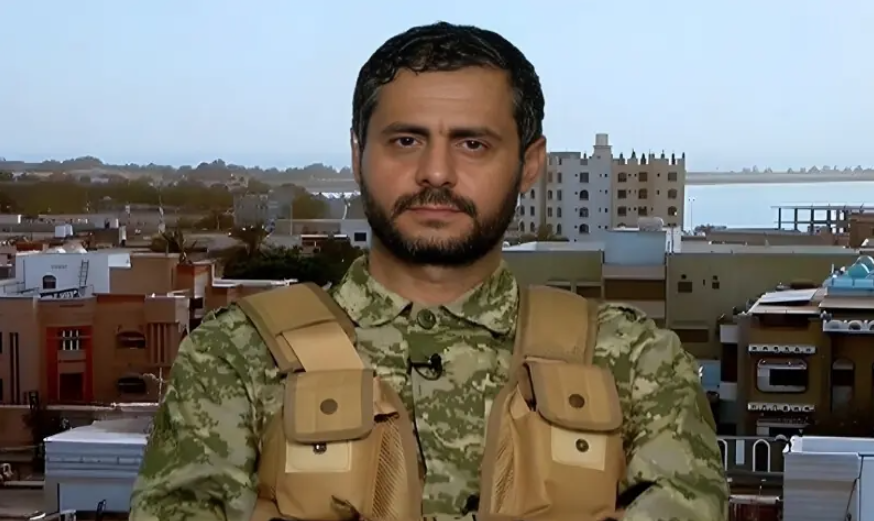
Yemen’s Houthis Pledge Military Alignment with I...
Yemen’s Houthi rebels declare readiness to support Iran militarily, warning that “our ...