WORLD NEWS
Senior officials from the administration of US President Donald Trump acknowledged in closed-door briefings with congressional staff that there was no intelligence indicating Iran planned to strike United States forces before Washington launched its sweeping military offensive, according to two sources familiar with the matter.
The admission came a day after the United States and Israel carried out one of their most ambitious coordinated attacks on Iran in decades. Officials said the strikes assassinated Supreme Leader Ali Khamenei, sank Iranian warships and targeted more than 1,000 sites across the country.
However, Sunday’s remarks to congressional staff appeared to contradict earlier public statements by senior administration officials. In media briefings prior to the attack, officials had suggested that Trump decided to act partly due to intelligence indicators that Iran might launch a preemptive strike against US forces stationed in the Middle East.
One official had stated that Trump would not “sit back and allow American forces in the region to absorb attacks.”
Pentagon Briefings to Congress
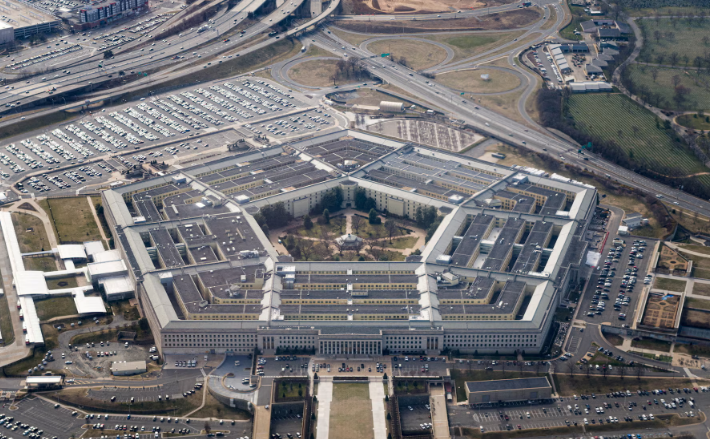
Pentagon officials conducted more than 90 minutes of classified briefings for Democratic and Republican staff from national security committees in both chambers of Congress. White House spokesperson Dylan Johnson confirmed the sessions, which focused on the scope and objectives of the unfolding military campaign.
According to sources who spoke on condition of anonymity, administration officials emphasised that Iran’s ballistic missile arsenal and its regional proxy networks posed an imminent threat to US interests. However, they conceded there was no specific intelligence indicating Tehran was preparing to attack US forces first.
Trump has said the military operation — expected to continue for weeks — aims to prevent Iran from acquiring nuclear weapons capability, curb its missile programme and eliminate threats to the United States and its allies. He has also publicly called on Iranians to rise up against their government.
Political Backlash
Democrats have sharply criticised the operation, describing it as a “war of choice” and questioning the administration’s justification for abandoning diplomatic efforts. Oman had been mediating talks that, according to officials, still showed signs of potential progress before hostilities escalated.
Trump has argued, without presenting public evidence, that Iran was close to developing the capability to strike the United States with a ballistic missile. However, sources familiar with US intelligence assessments indicated that such claims were not supported by formal intelligence reports and may have been overstated.
The debate over the war’s justification intensified after the US military confirmed the first American casualties of the conflict on Sunday.
Public opinion also appears divided. A recent poll found that 27 per cent of Americans approve of the strikes, while 43 per cent disapprove and 29 per cent remain uncertain.
As the conflict widens, scrutiny is mounting over the intelligence basis, legal authority and long-term consequences of the administration’s decision to launch the largest US military action against Iran in decades.
-
Saudi Embassy Denies Pressuring Trump Over Iran St...
Saudi Arabia rejects claims it influenced US attack on Iran, emphasizing support for diplo...

-
NATO Rules Out Military Action Against Iran, Empha...
NATO Secretary General states the alliance will not engage militarily in Iran, calling for...
-
US Confirms Coordinated Strikes on Iran, Targets 1...
US Defense Secretary Pat Hegseth confirms US-Israel joint operation on Iran, hitting 1,000...
-
Israel Targets Hezbollah’s Sheikh Naim Qassem, A...
Israeli Defense Minister Israel Katz declares Hezbollah deputy leader Naim Qassem as a mar...
-
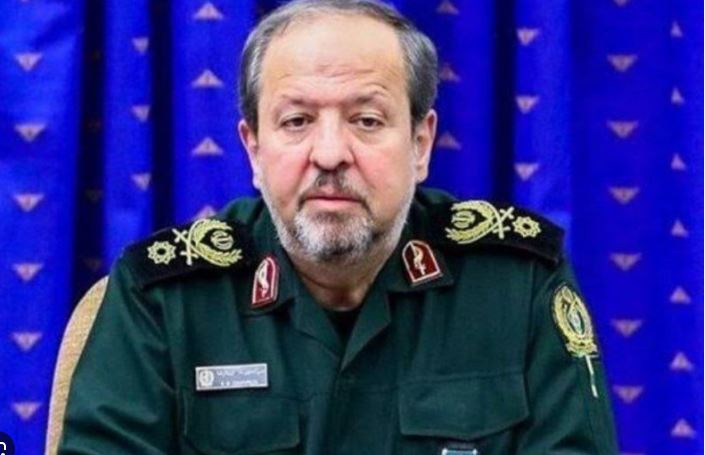
Iran Names IRGC General as Acting Defense Minister...
Iranian President Masoud Peshkerian names Majid Ibn Reza as acting defense minister follow...