WORLD NEWS
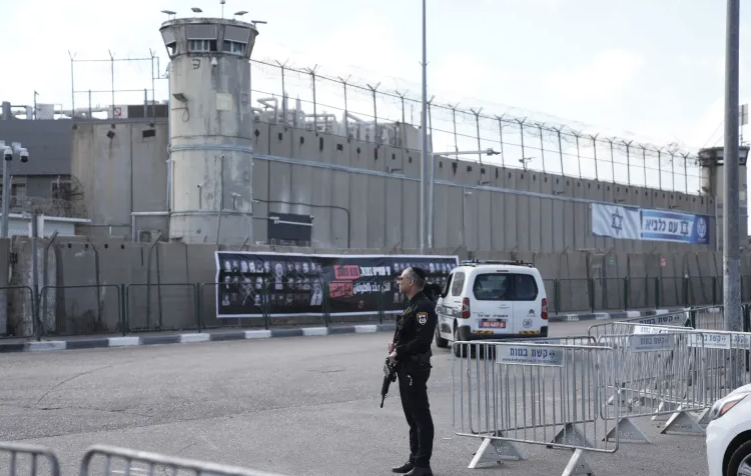
At least 84 Palestinian prisoners have died in Israeli custody since October 2023 after being subjected to systematic abuse, including physical and psychological violence, inhuman detention conditions, deliberate starvation and denial of medical care, according to a new report by Israeli human rights organisation B’Tselem.
In a report released on Tuesday, B’Tselem said Israeli authorities were still holding the bodies of 80 deceased prisoners, refusing to return them to their families. The report lists the names of the 84 victims — including one minor — and the prisons where they died.
According to the findings, 50 of the deceased were from the Gaza Strip, 31 from the occupied West Bank, and three were Palestinian citizens of Israel. B’Tselem cautioned that the actual death toll is likely higher, as the report only includes cases the organisation was able to independently verify.
B’Tselem Executive Director Yuli Novak said Israel had transformed its prison system into a network of “torture camps” as part of a broader policy aimed at dismantling Palestinian society.
“The genocide in Gaza and the ethnic cleansing in the West Bank are the most blatant manifestations of this policy,” Novak said, describing the prison system as a tool for collective punishment.
The report is based on testimonies from 21 Palestinians released from Israeli prisons in recent months, as well as documentation from Israeli and international human rights groups monitoring detention facilities. An estimated 9,200 Palestinians are currently being held in Israeli prisons.
Several former detainees described experiencing or witnessing sexual violence, including sexual assault, forced stripping, severe genital injuries caused by beatings, dog attacks and penetration with objects.
Other testimonies detailed brutal interrogation practices, particularly in a space known as the “disco room”, where prisoners were subjected to repeated electric shocks while being denied food and access to toilets.
B’Tselem said the findings reinforce patterns documented in its August 2024 report, Welcome to Hell. Novak criticised the international community for continuing to shield Israel from accountability.
“Despite mounting evidence and numerous reports on Israel’s torture camps, the international community continues to grant this regime full immunity,” she said.
The report highlighted that the majority of Palestinian detainees are held under administrative detention, a quasi-judicial process allowing imprisonment for renewable six-month periods without charge or trial.
Most Palestinians, including children, are prosecuted in military courts, which rights groups describe as fundamentally unjust due to lack of due process and legal representation. In contrast, Israeli citizens are tried in civil courts, reflecting what B’Tselem described as a two-tier justice system.
The organisation also noted that bodies returned to Gaza following the October ceasefire showed signs of torture and execution, with families forced to identify loved ones through photographs of decomposed remains.
B’Tselem spokesperson Yair Dvir urged international action, stating that the global community must use all legal mechanisms available to halt Israel’s actions.
Silencing of Released Prisoners
The report further revealed that Israeli authorities have attempted to silence former detainees through intimidation, threatening re-arrest if they spoke publicly about their experiences.
“This demonstrates how Israel uses deprivation of liberty as a central tool of oppression,” the report said.
While Israeli authorities deny allegations of abuse and claim compliance with international law, B’Tselem noted contradictions in official conduct. Far-right National Security Minister Itamar Ben-Gvir, who oversees the prison system, has publicly celebrated harsh detention conditions.
In November, Ben-Gvir posted a video showing bound Palestinian prisoners lying blindfolded on the floor. Days later, he was seen celebrating in parliament after lawmakers advanced legislation enabling the death penalty for ‘terrorists’, widely viewed as targeting Palestinians.
“Far from hiding the abuse,” Dvir said, “Israeli officials are publicly showcasing it.”
The report concludes that Israel’s policy of torture is systemic, institutionalised and openly endorsed, stating that it is backed by the political, judicial and media establishments.
“This systematic abuse is not carried out in the shadows — it is displayed publicly, without concealment,” the report said.
-
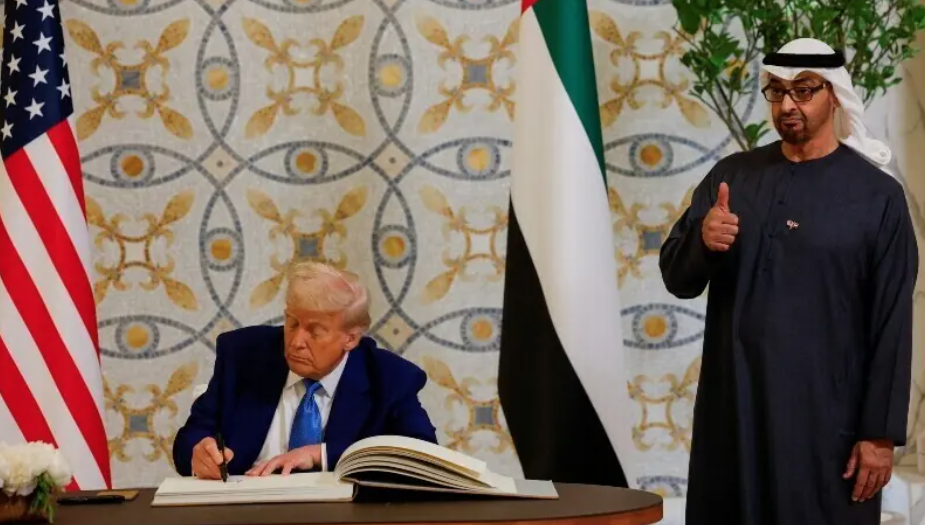
UAE Joins Trump’s Board of Peace, First Governme...
The UAE has accepted an invitation to join Trump’s new Board of Peace, signaling support...
-
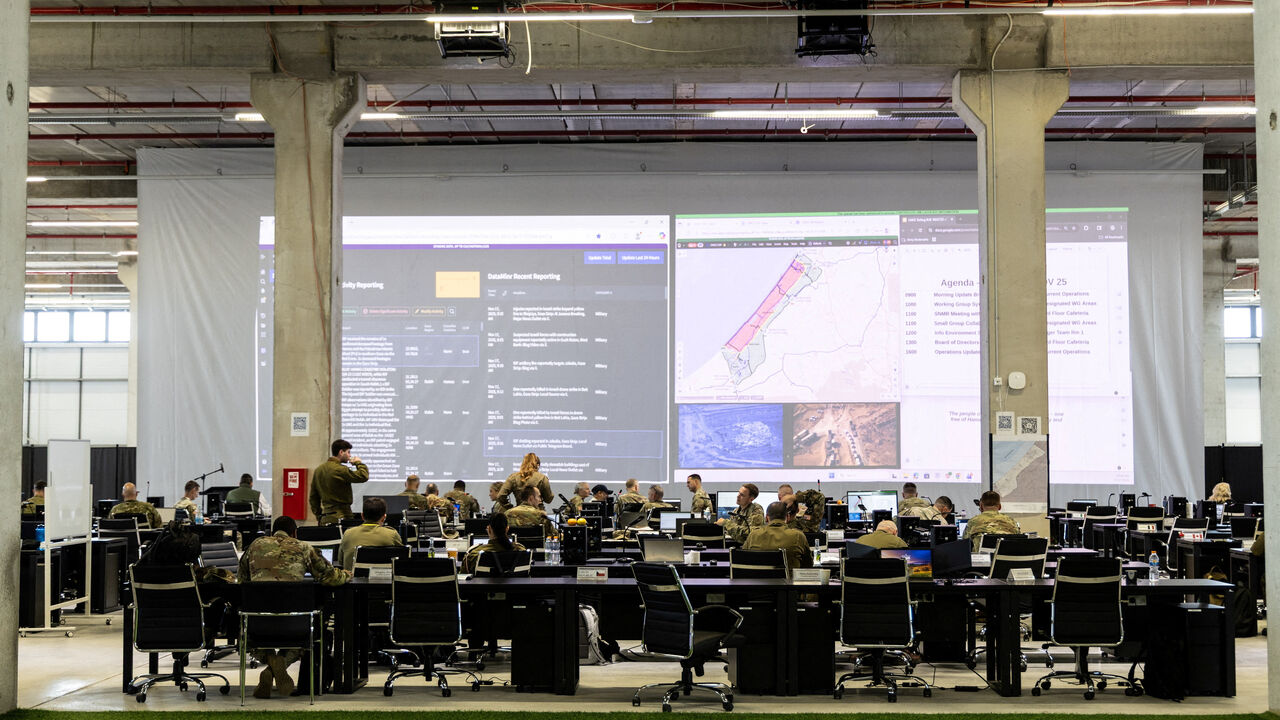
Europe Rethinks Role in U.S.-Led Gaza Coordination...
Several European countries are reconsidering their participation in the U.S.-led Gaza coor...
-
Trump Says ‘No Going Back’ on Greenland Contro...
US President Donald Trump says there is “no going back” on his goal to control Greenla...

-
ISIL Claims Deadly Blast at Chinese Restaurant in ...
ISIL has claimed responsibility for a suicide bombing at a Chinese restaurant in Kabul tha...
-
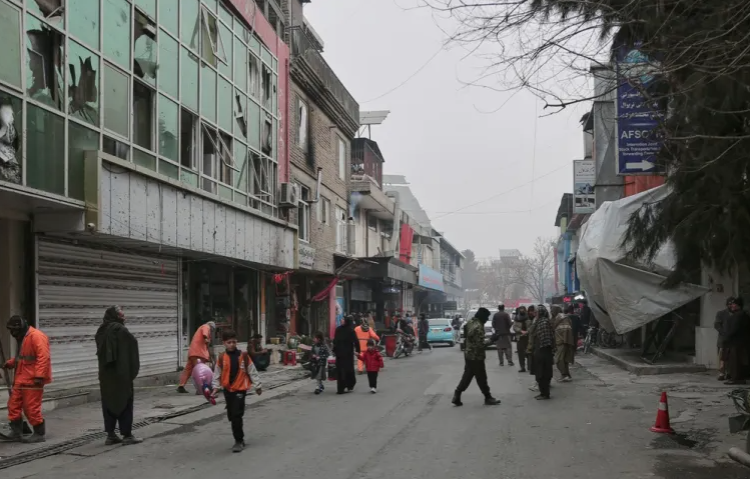
Explosion in Central Kabul Kills at Least Seven, W...
At least 7 dead and 20 wounded after an explosion at a hotel in Kabul’s Shahr-i-Naw dist...