WORLD NEWS
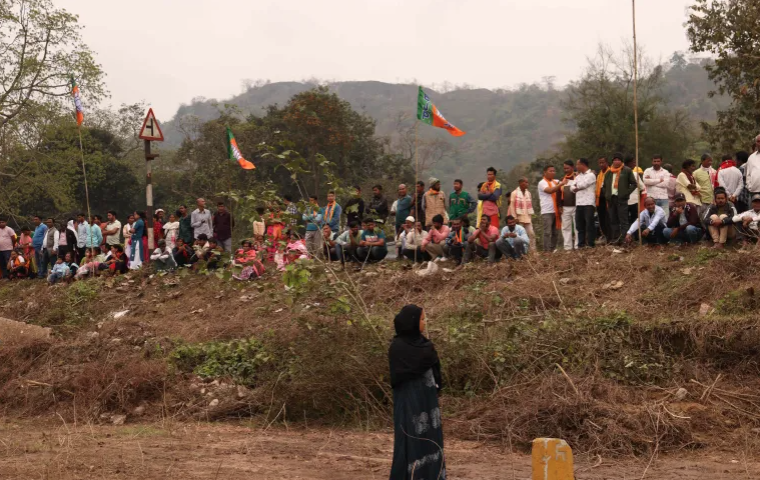
As Assam prepares to go to the polls on April 9, electoral changes are creating uncertainty for the state’s Muslim population. Islam Uddin, a 55-year-old retired teacher, goes door-to-door urging fellow Muslims to vote, but worries the 2023 delimitation exercise may render his efforts less effective.
Previously, Katigorah’s voters were split roughly evenly between Hindus and Muslims, allowing parties like the Congress and the All India United Democratic Front (AIUDF) to field Muslim candidates. However, the Election Commission of India’s redrawing of constituency boundaries has merged 40,000 Hindu voters into Katigorah, giving the constituency a Hindu majority and reducing the likelihood of Muslim representation, according to former legislator Khalil Uddin Mazumder.
The delimitation has similarly reshaped other constituencies across Assam, particularly in the Muslim-majority Barak Valley, home to over 1.7 million Bengali-speaking Muslims. Seats like Algapur, Hailakandi, and Katlicherra, once dominated by Muslim candidates, have seen Muslim populations fragmented and merged with Hindu-majority areas. The total number of Muslim-majority constituencies has reportedly dropped from 35 to about 20.
Prominent poll analyst Yogendra Yadav described the changes as “communal gerrymandering,” akin to 18th-century US racial gerrymandering, using techniques such as “cracking,” “packing,” and “stacking” to dilute Muslim voting power. Critics argue that these changes violate Election Commission guidelines on constituency contiguity and geographic coherence.
Barpeta constituency, historically a Muslim seat, now has been made a Hindu-majority constituency reserved for a lower-caste Hindu candidate, prompting concerns among residents. “Muslim voters have now lost their voice in Barpeta,” said Nabab Mezbahul Alam.
BJP spokesperson Kishore Kr Upadhya defended the exercise, calling it non-communal and in the purview of the Election Commission. The chief election commissioner has not responded to detailed inquiries regarding these allegations.
For many Bengali-speaking Muslims, the delimitation represents more than just a political shift – it signals further marginalization amid a backdrop of eviction drives, expulsion policies, and increasing religious majoritarianism under the BJP government. As Uddin noted, “We have been politically emasculated.”
-
Starmer Confirms UK Will Not Join Iran War, Emphas...
UK PM Keir Starmer vows Britain will stay out of the Iran war, focusing on diplomacy & Eur...

-
North Korean Hackers Breach Popular Software to St...
North Korean-linked hackers compromised the open-source software Axios, aiming to steal lo...

-
Israeli Airstrikes Kill Multiple in Southern Beiru...
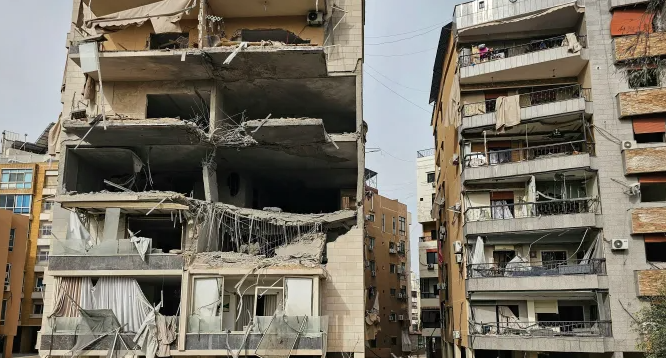
At least 7 killed in Israeli attacks on Beirut’s southern suburbs and nearby towns as He...
-
Qatar Warns Iran Has Crossed “Red Lines,” Call...
Qatar says Iran’s attacks on regional neighbors risk catastrophic fallout; calls for res...

-
US Secretary of War Warns Iran: Diplomacy or Expan...
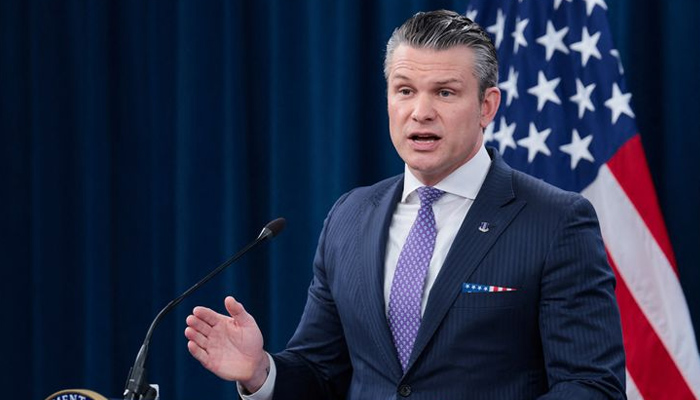
US Secretary of War Pat Hegseth warns Iran to pursue diplomacy or face expanded attacks; g...