WORLD NEWS

Australia is making history as the first country to enforce a minimum age for social media use, with platforms such as Instagram, TikTok, YouTube, and others required to block accounts for users under 16 starting Wednesday. Those failing to comply could face fines of up to A$49.5 million ($33 million), marking the beginning of a potential global trend in social media regulation.
The law targets 10 of the largest platforms initially, compelling them to verify users’ ages through a combination of age inference from online behavior, uploaded identification, or linked bank accounts. Most platforms have expressed willingness to comply, while Elon Musk’s X has criticized the law, calling it a “backdoor way to control access to the internet by all Australians.” A High Court challenge to the law is currently pending.
The rollout responds to longstanding concerns over children’s safety online. Four years ago, leaked internal Meta documents revealed that platforms like Instagram contributed to body image issues and suicidal thoughts among teenagers, despite public denials. Parents and child safety advocates have praised Australia’s move as a long-overdue protective measure.
“This is very much the canary in the coal mine,” said Tama Leaver, a professor of internet studies at Curtin University. “Governments around the world are watching how the power of Big Tech was successfully taken on.” Countries including Denmark, Malaysia, and parts of the U.S. are already considering or implementing similar restrictions for minors online.
The Australian government will closely monitor the ban’s impact, with the eSafety Commissioner hiring academics from Stanford University and other institutions to study the effects on thousands of young Australians over at least two years. Although the law currently covers 10 platforms, it is expected to expand as new platforms emerge or underage users shift to alternatives.
Experts note that the ban could reshape the social media landscape. Platforms have historically relied on younger users as future revenue streams, and while under-16s generate limited advertising income, their exclusion may slow growth and reduce engagement. Before the ban, 86% of Australians aged 8 to 15 were active on social media.
“The days of social media being seen as a platform for unbridled self-expression are coming to an end,” said Terry Flew, co-director of the University of Sydney’s Centre for AI, Trust and Governance. While platforms have implemented privacy features and minimum ages of 13, regulators argue these measures were insufficient, prompting direct legal intervention.
Australia’s move represents a global experiment in child safety and digital regulation, with policymakers worldwide watching closely to see if age restrictions can effectively protect young users without stifling freedom of expression or technological innovation.
-
Berlusconi Backs Paramount-Skydance in Warner Bros...
MFE CEO Pier Silvio Berlusconi backs Paramount Skydance’s $108B hostile bid for Warner B...

-
US Seizes Venezuelan Oil Tanker, Heightening Tensi...
The US seizes a Venezuelan oil tanker off its coast, escalating tensions with Caracas. Mad...

-
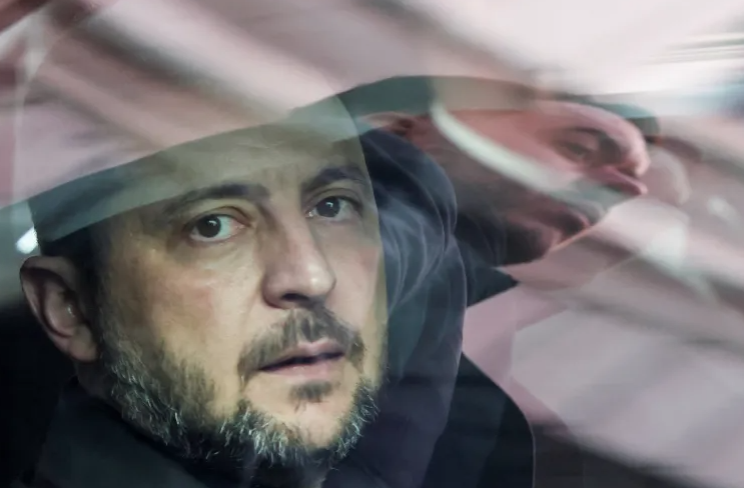
Zelenskyy Holds Urgent Talks with 30 Allies Amid I...
Ukrainian President Zelenskyy meets leaders from 30 countries to secure favorable peace te...
-
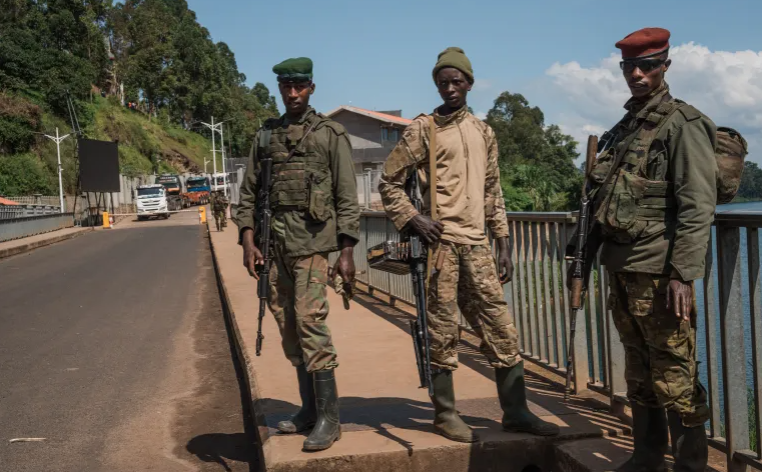
Rwanda-Backed M23 Rebels Capture Uvira, Over 400 C...
More than 400 civilians have died as M23 rebels, backed by Rwanda, take control of Uvira i...
-
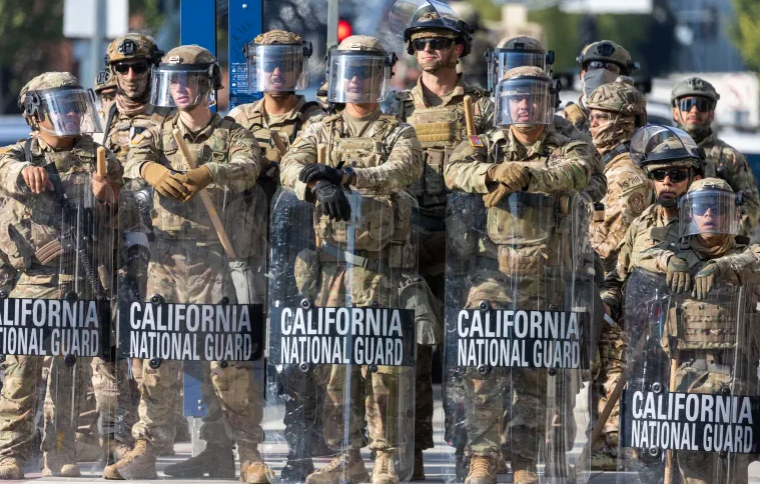
Judge Blocks Trump’s National Guard Move in LA, ...
A federal judge has blocked the Trump administration’s deployment of National Guard troo...