POLITICS & POLICY MAKING
Blame Game Intensely Escalates: Iran Slams U.S. 'Betrayals' and 'Contradictory Positions' for Stall in Peace Talks
Detailed Report
-
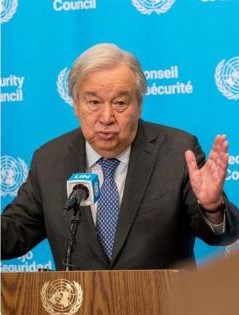
The Ministerial Condemnation: In a formal telephonic consultation with United Nations Secretary-General António Guterres on Saturday, Iranian Foreign Minister Abbas Araghchi lashed out at the United States, accusing Washington of actively sabotaging ongoing diplomatic initiatives. Araghchi stated that despite Tehran's deep mistrust toward the U.S., Iran has re-entered the diplomatic process with a serious and responsible approach. However, he maintained that the Pakistan-mediated negotiation tracks have been continuously disrupted by Washington’s failure to uphold its commitments, contradictory operational positions, and repeated excessive demands.
-
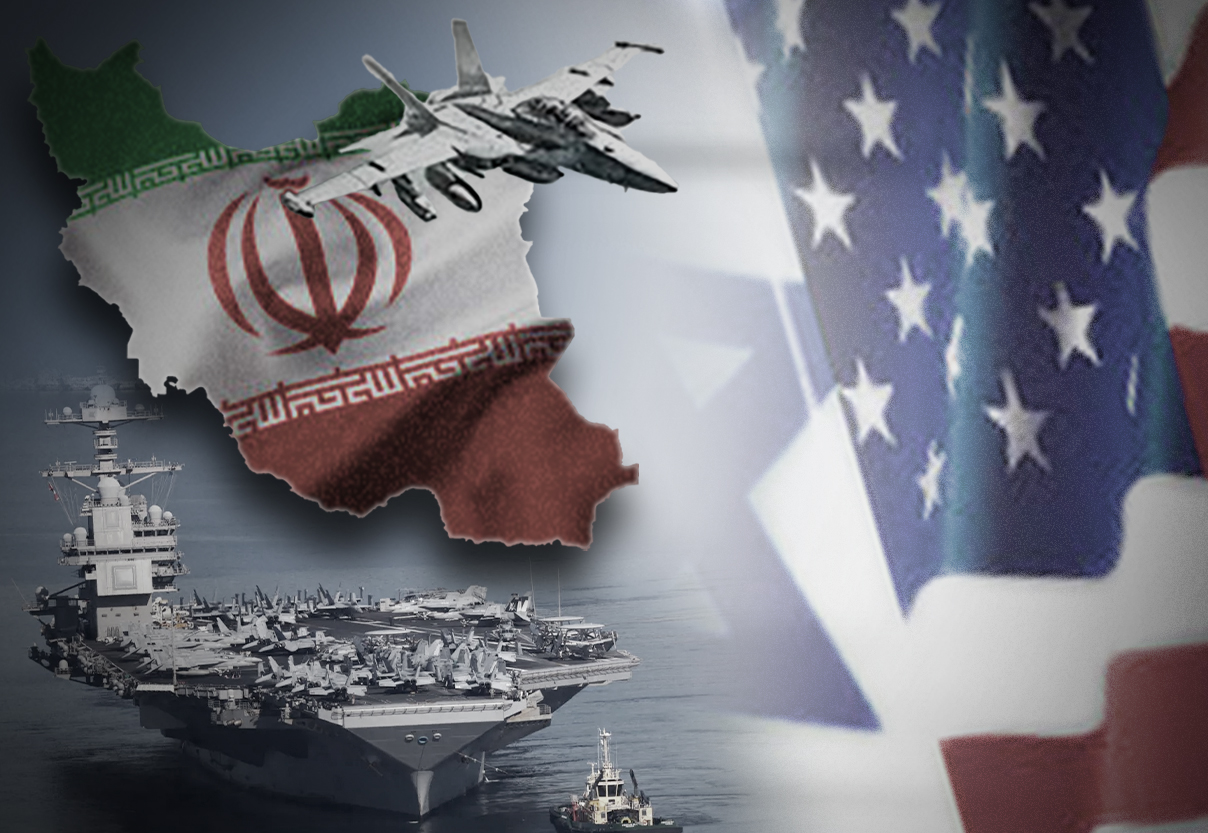
Maximalist Sticking Points & Nuclear Standoff: Simultaneously, Iran’s UN mission issued a stark warning regarding global security architectures, stating that American obstructionism has pushed the Nuclear Non-Proliferation Treaty (NPT) into a "free fall." The mission noted that the NPT Review Conference failed for a third consecutive time due to hurdles created by the U.S. and its allies. Foreign Minister Araghchi pointed to longstanding disagreements over Iran’s nuclear programme and ballistic missile capabilities as major friction points, highlighting that Washington and Israel carried out kinetic military actions against Iran in June and again on February 28, even while active backchannel communication channels were open.
-
The Mediation at a Decisive Stage: Despite the harsh rhetoric, Iranian Foreign Ministry Spokesperson Esmaeil Baghaei tempered expectations of an immediate breakthrough, noting in a televised interview that it is still too early to conclude that a final settlement is imminent. While Baghaei acknowledged that deep and extensive differences remain over maritime lanes and regional blockades, he explicitly noted that recent high-level visits to Tehran by senior Pakistani officials suggest the negotiations have reached a potentially critical and decisive stage.
-
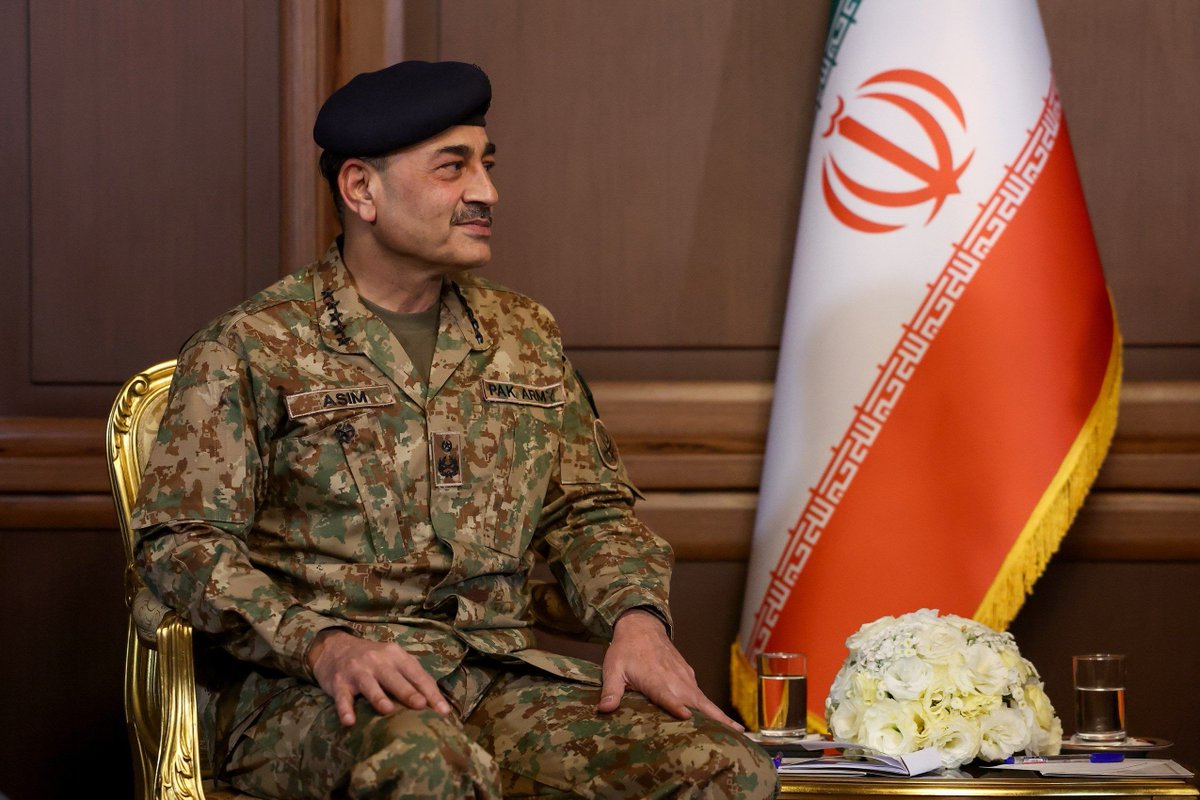
The Multilateral Diplomatic Push: UN Chief António Guterres reiterated his firm opposition to the use of force against the sovereignty and territorial integrity of states, urging both sides to adhere to the principles of the UN Charter. The diplomatic gridlock unfolds at a highly volatile moment. Pakistan's Chief of Defence Forces (CDF) Field Marshal Asim Munir is currently on an emergency mission in Tehran holding direct talks with Iranian leadership, while Prime Minister Shehbaz Sharif has arrived in China to realign Middle East peace frameworks with President Xi Jinping.
-
A Safer World Slipped Away: UN Chief Laments Failu...
UN Secretary-General António Guterres has expressed deep disappointment after the 11th NP...
-
Tension off Socotra Island: Armed Guards Defend Oi...
A new wave of Israeli airstrikes has caused extensive structural damage to a major hospita...
.jpg)
-
Southern Lebanon Escalation: New Israeli Airstrike...
A new wave of Israeli airstrikes has caused extensive structural damage to a major hospita...
.jpg)
-
The War Ripple Effect: 27 Nations Scramble for Wor...
According to an internal document, 27 countries have moved to activate emergency financing...
-
High-Stakes Mediation: Field Marshal Asim Munir La...
Pakistan’s Army Chief Field Marshal Asim Munir has landed in Tehran in a high-stakes bid...