POLITICS & POLICY MAKING
High-Stakes Mediation: Field Marshal Asim Munir Lands in Tehran as U.S.-Iran Peace Talks Hit Critical Window
Detailed Report
-
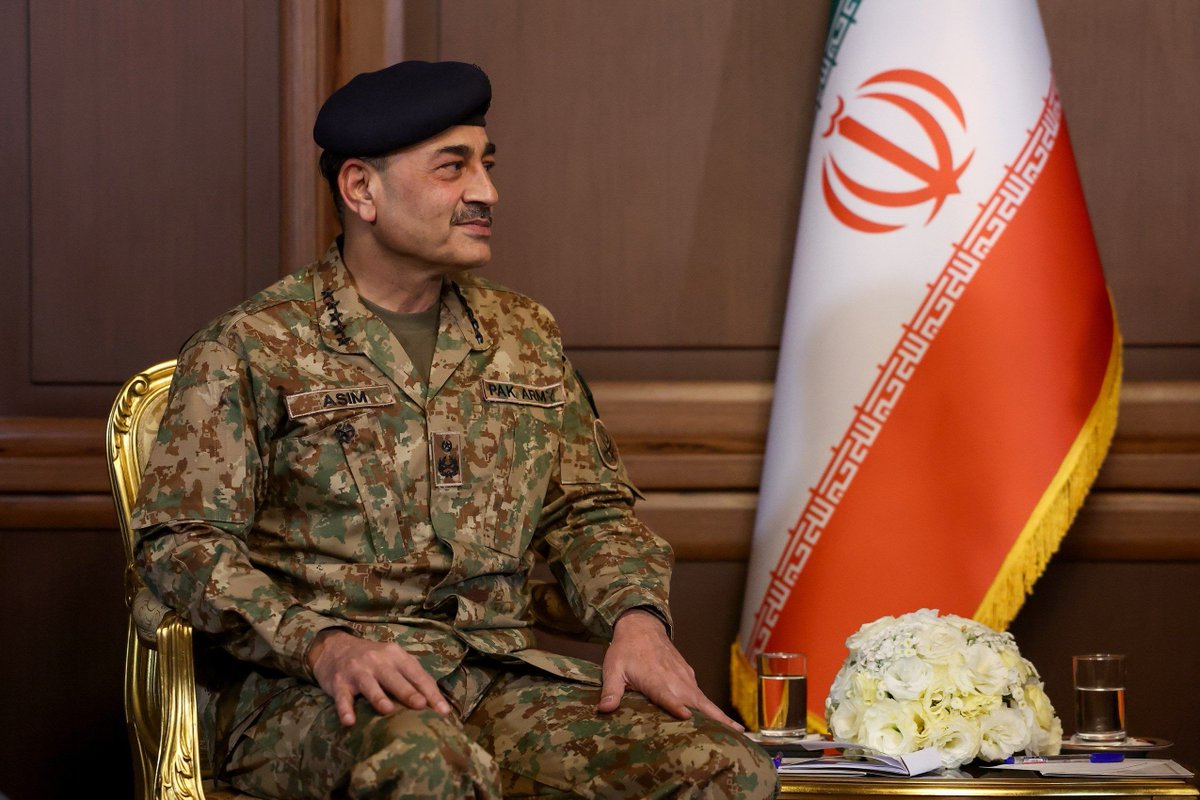
Field Marshal Asim Munir's Urgent Tehran Mission: Pakistan’s Chief of Army Staff, Field Marshal Syed Asim Munir, has arrived in Tehran to spearhead a high-stakes diplomatic effort to salvage a lasting peace agreement between Iran and the United States. Handout photos confirmed he was welcomed by Iran's Interior Minister Eskandar Momeni and Pakistan's Interior Minister Mohsin Naqvi—who undertook his second emergency visit to Iran this week to lay the groundwork. While a Qatari delegation also arrived in Tehran on Friday, Iran’s Foreign Ministry Spokesperson Esmaeil Baqaei explicitly reaffirmed that "Pakistan remains the official mediator" leading the international conflict resolution architecture.
-
Trump Cancels Plans Amid Strike Reports: The emergency diplomatic shuttle comes as major US media outlets, including CBS and Axios, report that the White House is actively weighing devastating new military strikes against Iran. Underscoring the gravity of the situation, US President Donald Trump announced he would not travel to attend his son's wedding this weekend, stating it was "important for me to remain in Washington, DC, at the White House during this important period of time." Intelligence sources indicate that US military personnel have canceled holiday weekend plans in anticipation of immediate kinetic operations.
-
The Sticking Points of the Proposal: The current war, which erupted on February 28 with US-Israeli strikes on Iran, was temporarily halted by an April 8 ceasefire brokered during face-to-face talks in Islamabad. However, the truce is now teetering on what Trump describes as the "borderline" between a permanent deal and renewed devastation. While US Secretary of State Marco Rubio acknowledged "some progress" on a fresh US peace proposal, Tehran remains cautious. Spokesperson Baqaei warned that the gaps remain "deep and extensive," accusing Washington of making "excessive demands" regarding the complete dismantling of its nuclear infrastructure and maritime restrictions.
-
The Global Shipping and Economic Crisis: At the heart of the deadlock is the fate of the strategic Strait of Hormuz, which Tehran effectively closed in retaliation for the US-Israeli blockade of Iranian commercial ports. With global oil and gas stockpiles running dangerously low, Secretary Rubio warned NATO allies to prepare a "Plan B" to force open the critical shipping lane if diplomacy fails, while the European Union moved closer to slapping heavy sanctions on Iranian officials blamed for the blockade. Although Wall Street hit record highs on Friday on hopes of a diplomatic off-ramp, global oil prices surged, driving US consumer sentiment to its lowest level since records began in 1952 due to rampant inflation fears.
-
A Safer World Slipped Away: UN Chief Laments Failu...
UN Secretary-General António Guterres has expressed deep disappointment after the 11th NP...
-
Blame Game Intensely Escalates: Iran Slams U.S. 'B...
Iranian Foreign Minister Abbas Araghchi has accused the United States of disrupting backch...
-
Tension off Socotra Island: Armed Guards Defend Oi...
A new wave of Israeli airstrikes has caused extensive structural damage to a major hospita...
.jpg)
-
Southern Lebanon Escalation: New Israeli Airstrike...
A new wave of Israeli airstrikes has caused extensive structural damage to a major hospita...
.jpg)
-
The War Ripple Effect: 27 Nations Scramble for Wor...
According to an internal document, 27 countries have moved to activate emergency financing...