POLITICS & POLICY MAKING
The War Ripple Effect: 27 Nations Scramble for World Bank Crisis Funds as Iran Conflict Drags Down Global Supply Chains
Detailed Report
-
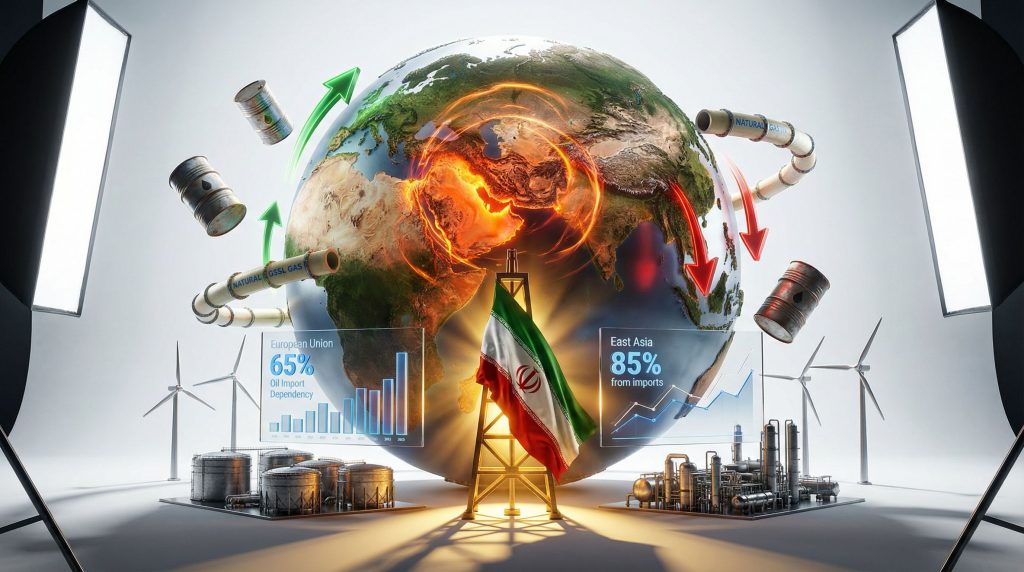
The Emergency Financing Mobilization: An internal World Bank document reveals that 27 countries have aggressively moved to activate emergency crisis instruments since the outbreak of the Iran war on February 28. These nations are rushing to secure rapid access to contingent financing from pre-existing World Bank programs to safeguard their economies. While the confidential document did not explicitly name all 27 nations, it confirmed that three countries have already seen their new financial instruments approved, while the remaining 24 are rapidly finalizing the legal and structural processes.
-
The Catalysts—Fuel Shocks and Fertilizer Halts: The sudden rush for emergency capital stems directly from severe disruptions in global energy and agricultural markets triggered by the Middle East conflict. The effective closure of the strategic Strait of Hormuz and a parallel U.S. blockade on Iranian ports have sent energy prices skyrocketing and paralyzed global supply chains. A critical consequence has been the complete halting of vital fertilizer shipments from the region, leaving developing, agrarian economies highly vulnerable to severe crop shortages and food insecurity.
-
Kenya and Iraq Lead the Appeals: Officials from Kenya and Iraq have become the first to publicly confirm their requests for rapid financial support from the lender, illustrating the diverse ways the war is crippling developing economies. For Kenya, the funds are desperately needed to buffer the domestic market against rampant fuel price inflation. Conversely, for Iraq, the conflict has caused a catastrophic collapse in vital oil-export revenues. Economic experts note that developing nations are deliberately prioritizing World Bank facilities over the International Monetary Fund (IMF), as IMF emergency loans typically mandate strict domestic austerity measures that could ignite severe social unrest.
-
The Scale of the Bank’s Response: The 27 inquiring nations are drawing from a broader pool of 101 countries that possess pre-arranged contingent financing agreements with the World Bank. This includes 54 nations signed up for the bank's specialized Rapid Response Option, which empowers governments to instantly redirect up to 10% of their undisbursed project balances toward immediate crisis relief. World Bank President Ajay Banga recently announced that the institution's overhauled crisis toolkit can immediately deploy between $20 billion and $25 billion, with the structural capacity to reorient its global portfolio to deliver up to $60 billion within six months, and eventually up to $100 billion in long-term emergency relief.
-
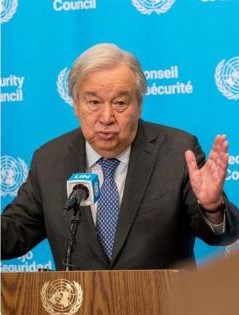
A Safer World Slipped Away: UN Chief Laments Failu...
UN Secretary-General António Guterres has expressed deep disappointment after the 11th NP...
-
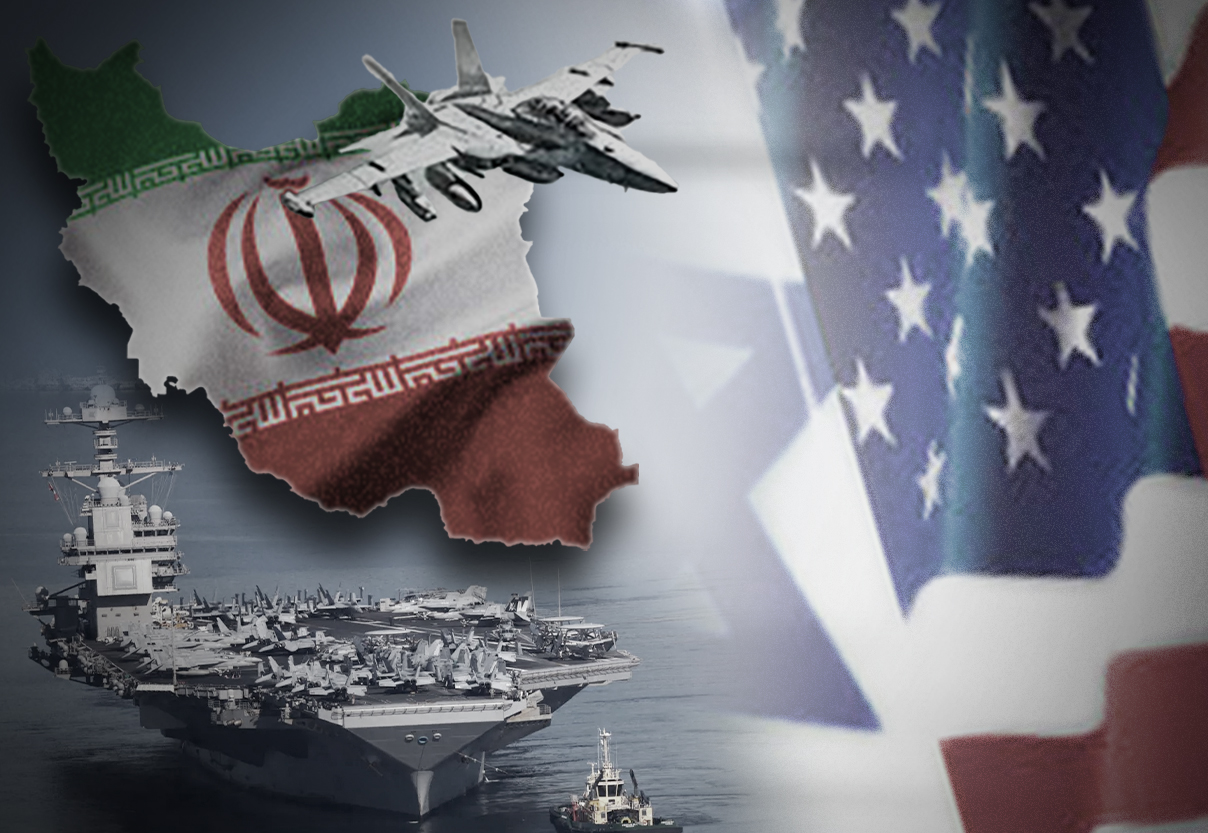
Blame Game Intensely Escalates: Iran Slams U.S. 'B...
Iranian Foreign Minister Abbas Araghchi has accused the United States of disrupting backch...
-
Tension off Socotra Island: Armed Guards Defend Oi...
A new wave of Israeli airstrikes has caused extensive structural damage to a major hospita...
.jpg)
-
Southern Lebanon Escalation: New Israeli Airstrike...
A new wave of Israeli airstrikes has caused extensive structural damage to a major hospita...
.jpg)
-
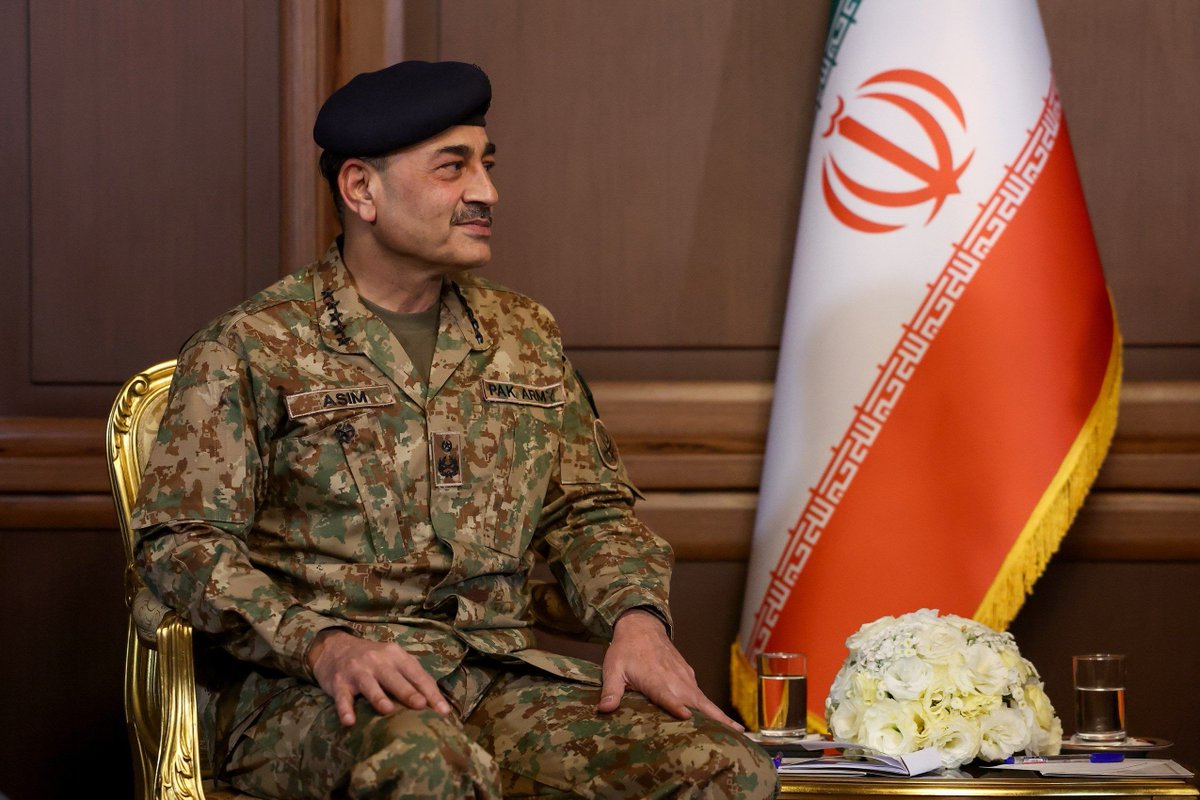
High-Stakes Mediation: Field Marshal Asim Munir La...
Pakistan’s Army Chief Field Marshal Asim Munir has landed in Tehran in a high-stakes bid...