TRADE & ECONOMY
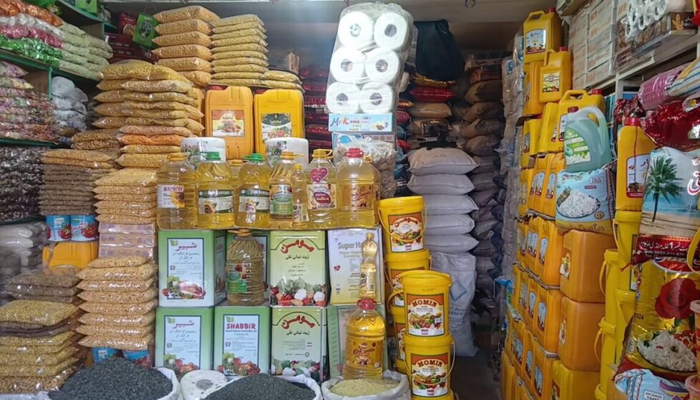
The closure of the border with Pakistan has led to a sharp increase in food prices in Afghanistan’s Parwan province, worsening the economic hardships faced by local residents.
According to Afghan media reports, citing local residents and shopkeepers, the prices of essential food items have surged by 400 to 700 Afghanis over the past few weeks following disruptions in cross-border trade.
Traders in Parwan say the price of 16 liters of cooking oil has risen by approximately 500 Afghanis, while a sack of rice has become costlier by around 700 Afghanis. Similarly, the price of a sack of flour has increased by nearly 400 Afghanis.
Shopkeepers reported that 16 liters of cooking oil, which was previously sold for 1,550 Afghanis, is now being sold for more than 2,000 Afghanis. The price of a sack of rice has climbed from 2,300 Afghanis to nearly 3,000 Afghanis, while flour has increased from 1,400 Afghanis to around 1,800 Afghanis per sack.
Local residents say the surge in prices has come at a particularly difficult time, as Afghanistan continues to struggle with severe economic challenges, including unemployment and widespread poverty.
Shahram, a resident of Parwan, said that job opportunities have declined significantly compared to previous years, while people’s purchasing power has been badly affected. He added that buying and selling in markets has slowed down, and commercial activity no longer reflects the vibrancy seen in the past.
Residents further noted that the inflationary trend is not confined to Parwan alone. Similar increases in food prices have been reported from other parts of the country, including the capital Kabul, raising concerns about worsening living conditions across Afghanistan.
Economists warn that prolonged border closures and disruptions in trade routes could further aggravate inflation and deepen the economic crisis, placing additional pressure on already vulnerable communities.
-
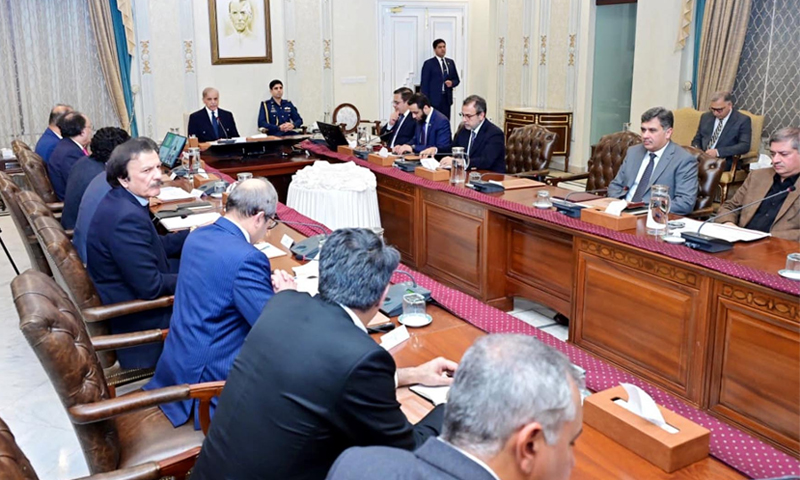
PM Shehbaz Directs Review of Electricity Tariffs, ...
PM Shehbaz Sharif chairs energy sector meeting, directs Power Minister to consult stakehol...
-
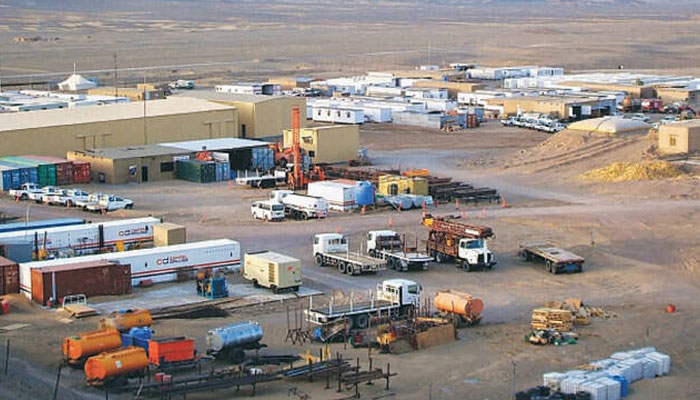
Billions in Investments Announced for Mineral Deve...
Five business groups pledge billions of dollars in Balochistan, focusing on gold and coppe...
-
Federal Govt Denies NFC Delays, Reaffirms Timely T...
Finance Ministry rejects KP CM’s claim of stalled NFC funds, says provincial shares are ...
-
World Bank Approves $700m Financing Package for Pa...
World Bank okays $700m for Pakistan under PRID-MPA to support macroeconomic stability, fai...
-
Weekly Price Report: 14 Items Cheaper, 17 More Exp...
Weekly CPI report: tomatoes, potatoes, diesel, sugar fall, while chicken, red chili, eggs ...
