TRADE & ECONOMY
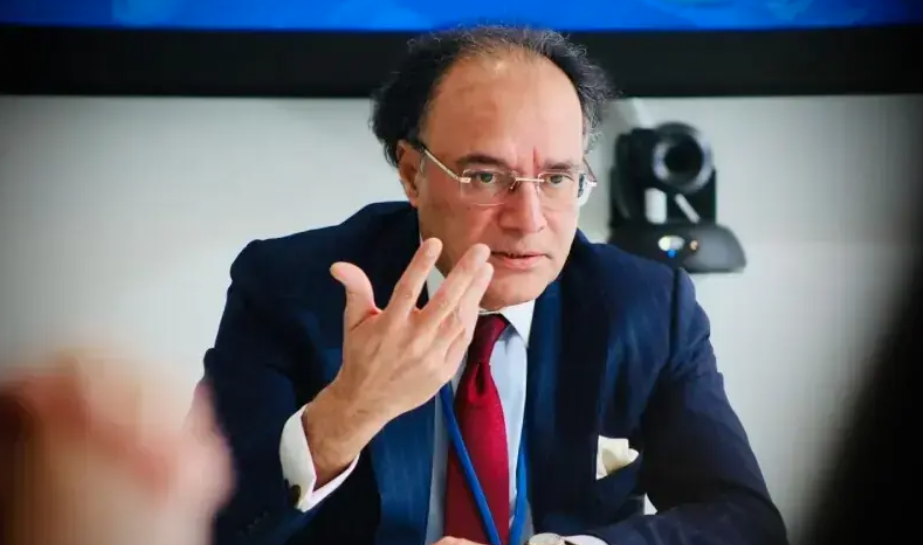
Finance Minister Muhammad Aurangzeb on Wednesday cautioned about fuel stock levels amid global uncertainty triggered by the ongoing US-Israel and Iran war, while assuring that there was no emergency-like situation in Pakistan.
Briefing the Senate Standing Committee on Finance, the minister advised precautionary fuel conservation but ruled out any immediate move toward rationing.
“We are not going for rationing of fuel as there is no fuel shortage in the country, but things could become serious if the war drags on,” Aurangzeb said in response to a query by committee chairman Saleem Mandviwala.
The committee was informed that Pakistan currently holds petrol and diesel stocks sufficient for 28 days, crude oil reserves for 10 days, and liquefied petroleum gas (LPG) and liquefied natural gas (LNG) supplies for 15 days.
However, the minister noted that some cargo shipments had been delayed in Qatar. To offset the shortfall, authorities are enhancing production from local gas fields. He added that the finance ministry would conduct daily meetings with relevant departments to closely monitor domestic fuel availability and global price trends.
The developments come as Pakistan has formally requested Saudi Arabia to provide an alternative oil supply route via Yanbu after disruptions linked to the closure of the Strait of Hormuz.
Oil Could Hit $100 Per Barrel
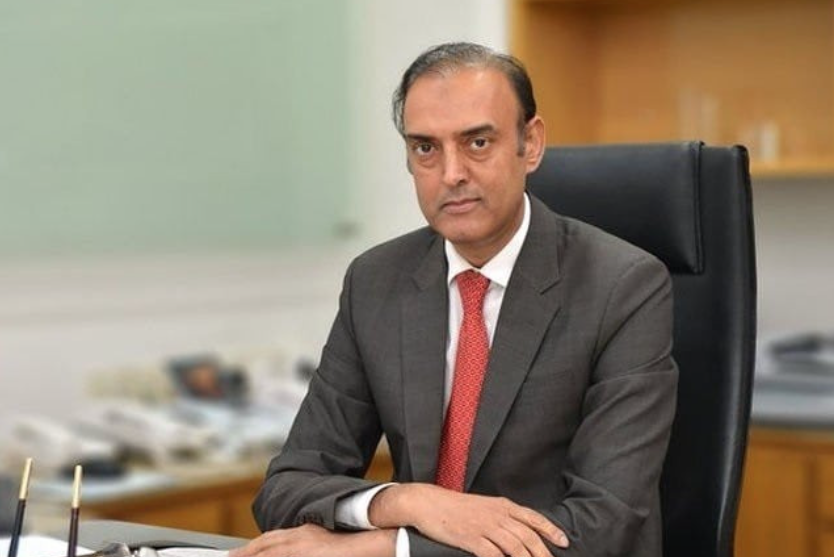
Meanwhile, Governor of the State Bank of Pakistan Jamil Ahmad warned that global oil prices could rise to $100 per barrel, increasing pressure on Pakistan’s external sector.
Energy imports account for a substantial portion of Pakistan’s annual import bill, making the country particularly vulnerable to global oil price fluctuations.
Despite these risks, Ahmad said Pakistan’s foreign exchange reserves had reached a “comfortable” level of over $16 billion. The central bank expects reserves to climb to $18 billion by June and approximately $20 billion by December.
He emphasised that the reserves were not built through additional external borrowing. Over the past three years, the SBP has purchased roughly $24 billion from the market, helping stabilise the currency and strengthen external buffers.
The governor noted that Pakistan’s external debt had risen over time from $55 billion to around $103 billion, while total external liabilities currently stand at approximately $138 billion. However, he maintained that no new external borrowing had been undertaken during the past four years.
Inflation and Current Account Outlook
On the macroeconomic front, Ahmad projected inflation to remain between 5% and 7% during the current fiscal year, with a similar range expected next year. However, he cautioned that regional tensions and rising energy prices could influence inflation trends in the coming months.
“Rising geopolitical risks and energy prices may affect Pakistan’s import bill and domestic inflation,” he said.
The SBP governor also projected that the current account deficit would remain around 1% of gross domestic product during the current fiscal year and stay within the targeted range despite higher petroleum prices.
As global uncertainty continues, Pakistani authorities are balancing fiscal discipline with precautionary measures to safeguard energy security and economic stability.
-
Electricity Rates Hiked Nationwide by Rs 1.63 per ...
NEPRA raises electricity prices by Rs 1.63/unit under January fuel price adjustment. Lifel...
-
UAE Rolls Over $2B Loan to Pakistan, SBP Governor ...
SBP Governor Jameel Ahmad says UAE loan of $2B to Pakistan now on monthly rollover, not re...
-
Pakistan Seeks Saudi Oil Route via Yanbu After Str...
Pakistan has formally asked Saudi Arabia to route oil supplies through Yanbu after the Str...
-
Flour Prices Rise Again in Peshawar Ahead of Ramad...
Flour prices in Peshawar have increased: 20kg mixed flour is now Rs 2,500 and fine flour R...
-
Pakistan’s Inflation Rises to 7% in February Aft...
Pakistan’s monthly inflation hits 7% in February 2026, up from 5.8% in January. Rural ar...