TRADE & ECONOMY
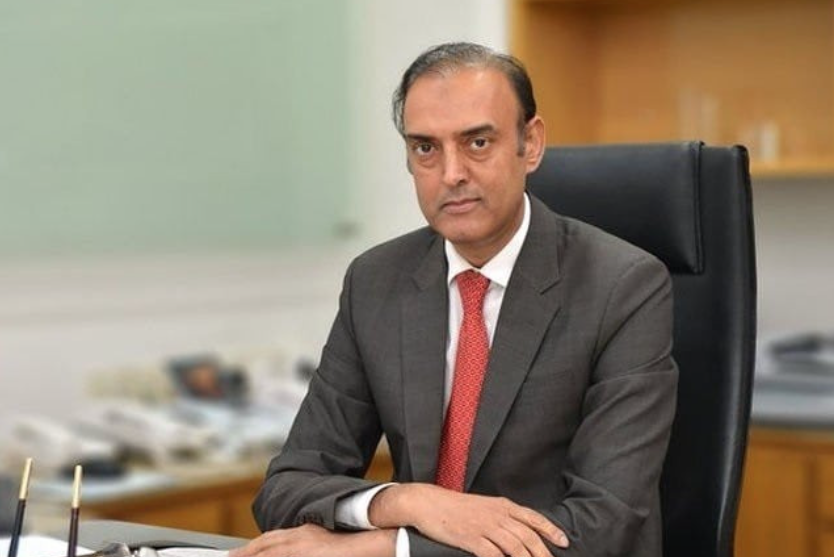
Governor of the State Bank of Pakistan, Jameel Ahmad, on Wednesday clarified that the United Arab Emirates (UAE) is not demanding repayment of a $2 billion loan from Pakistan but has shifted it to a monthly rollover schedule.
Addressing the National Assembly’s Standing Committee on Finance, Ahmad explained that the UAE’s loan, previously rolled over annually, is now being extended on a month-to-month basis. “Initially, the debt servicing had reached $4 billion, but this has now been reduced,” he noted, acknowledging pressures on Pakistan’s export sector.
The loans, originally provided in 2018 and 2023, have been crucial in supporting Pakistan’s foreign exchange reserves and external financing requirements under the $7 billion International Monetary Fund (IMF) programme. The UAE, along with Saudi Arabia and China, has committed to maintaining their combined $12.5 billion deposits with the SBP at least until the IMF programme expires in September 2027.
Ahmad said Pakistan is paying around $130 million annually in interest on the UAE debt, which rose from 3% in 2018 to 6.5% last year. Pakistan has requested a reduction to 3%, citing improved credit ratings and lower global interest rates.
Economic Outlook and Export Pressures
The SBP governor highlighted that Pakistan’s exports remain under pressure, partly due to declining global food prices and reduced rice exports, which contributed to a $1 billion drop. Despite this, strategic measures have enabled the country to maintain economic stability.
Ahmad noted that the current account deficit had dropped from $17.5 billion in 2022 to just 1% of GDP in 2023, producing a surplus of $2 billion—the first current account surplus in 14 years. Foreign exchange reserves have increased from $2.8 billion, barely enough for two weeks of imports, to over $16 billion, with targets of $18 billion by June 2026 and $20 billion by December 2026.
He also acknowledged Pakistan’s rising external debt, which has grown from $55 billion in 2016 to $103 billion, while total external liabilities currently stand at approximately $148 billion. The governor emphasized that debt levels have remained stable since last year.
Responding to concerns about export schemes, Ahmad clarified that financing mechanisms remain intact and attributed the decline in exports to multiple global factors, including weaker demand and falling food prices. He further acknowledged that Pakistan’s IMF programme limited the government’s ability to offer subsidies and rebates, but assured that the central bank continues to pursue strategies to safeguard economic stability.
-
Electricity Rates Hiked Nationwide by Rs 1.63 per ...
NEPRA raises electricity prices by Rs 1.63/unit under January fuel price adjustment. Lifel...
-
Finance Minister Warns on Fuel Stocks as Iran War ...
Finance Minister Muhammad Aurangzeb says no fuel shortage in Pakistan but urges conservati...
-
Pakistan Seeks Saudi Oil Route via Yanbu After Str...
Pakistan has formally asked Saudi Arabia to route oil supplies through Yanbu after the Str...
-
Flour Prices Rise Again in Peshawar Ahead of Ramad...
Flour prices in Peshawar have increased: 20kg mixed flour is now Rs 2,500 and fine flour R...
-
Pakistan’s Inflation Rises to 7% in February Aft...
Pakistan’s monthly inflation hits 7% in February 2026, up from 5.8% in January. Rural ar...