POLITICS & POLICY MAKING
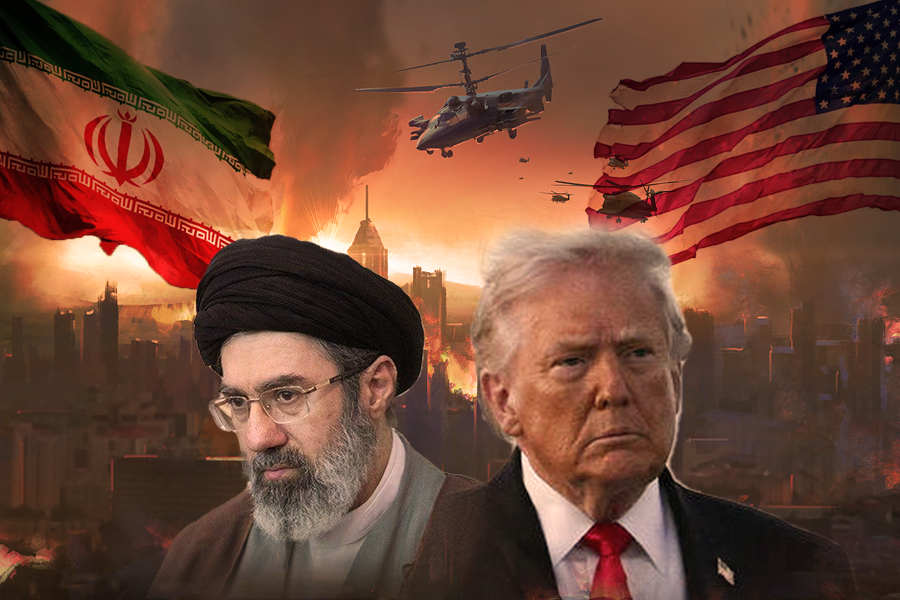
Fragile Ceasefire Imperiled: U.S. Launches 'Self-Defence' Strikes on Missile Sites and Mine-Laying Boats in Southern Iran
Detailed Report
-
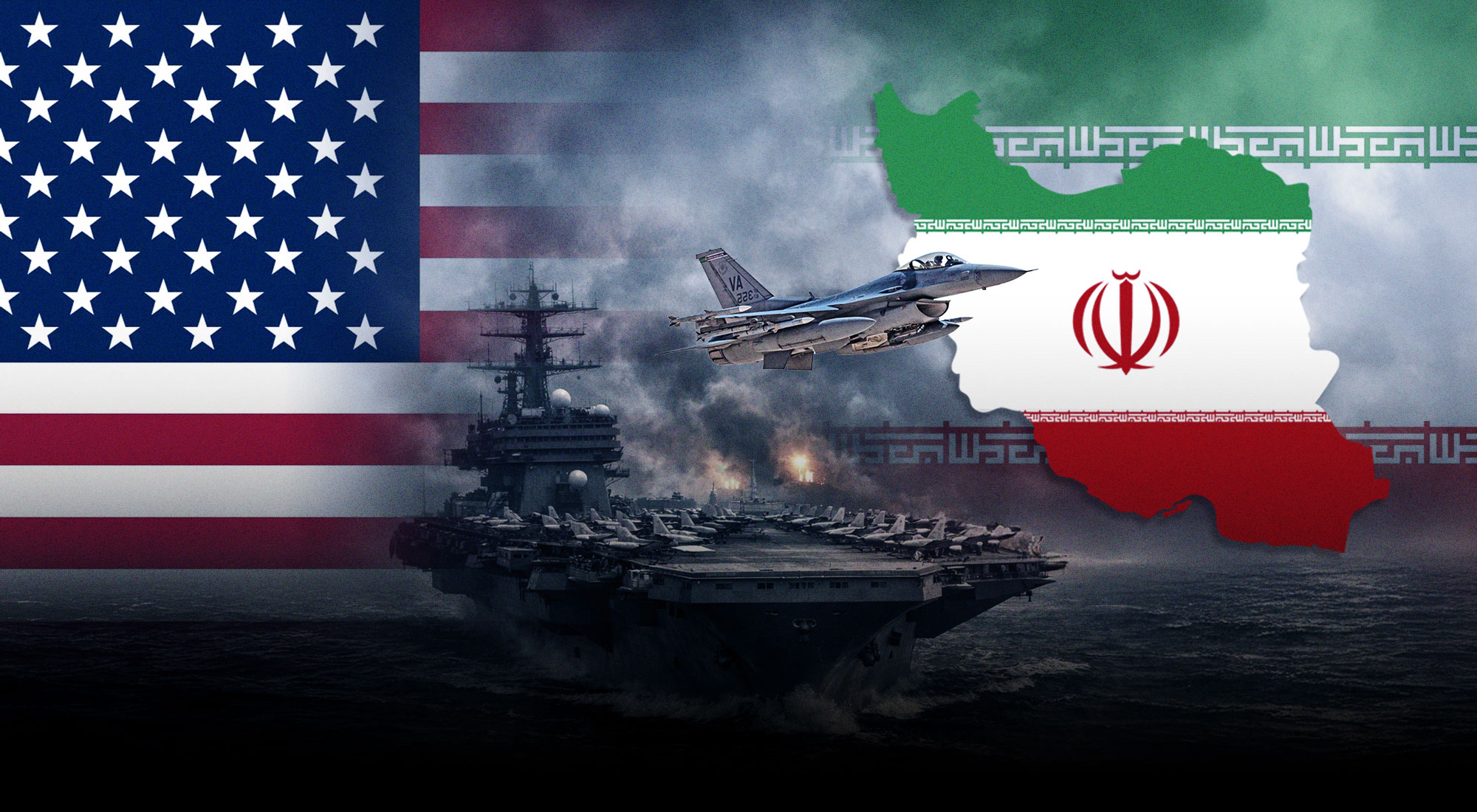
The Strike on Southern Iran: A fragile, months-long ceasefire was pushed to the brink on Monday after U.S. forces executed targeted "self-defence" military strikes inside southern Iran. According to a formal statement issued by U.S. Central Command (CENTCOM) spokesperson Tim Hawkins, the operations were launched to shield deployment forces from imminent theater threats. While exact casualty counts were not immediately finalized, the precision strikes successfully leveled active coastal missile launch installations and destroyed naval assets caught attempting to emplace anti-ship sea mines along critical littoral choke points.
-
Explosions Over Bandar Abbas: Iranian state-run broadcaster IRIB confirmed that several massive explosions echoed across the strategic southern port city of Bandar Abbas around midnight local time. While local authorities publicly maintained that city functions remained normalized while investigations commenced, the aggressive military exchange directly rattled global energy desks. The timing of the strikes introduces severe volatility to ongoing diplomatic talks, as top Iranian negotiators had just arrived in Doha to hammer out an off-ramp to a conflict that has choked off critical energy flows since February 28.
-
The Shipping Lane Bottleneck: The primary bottleneck holding up the peace framework remains the reopening timeline for the highly critical Strait of Hormuz. Prior to the conflict, between 125 and 140 commercial vessels transited the strait daily, carrying one-fifth of global petroleum and LNG supplies; today, that traffic has slowed to a mere trickle of a few dozen ships. Reports published by Japan's Nikkei newspaper indicate that negotiators are debating a 30-day post-deal window for Iran to physically clear its deployed naval mines. However, Iran’s Foreign Ministry spokesman Esmaeil Baqaei clarified that while Tehran won't charge transit tolls, it intends to enforce service fees for navigation and environmental protection under a protocol currently being negotiated with Oman.
Trump's Mandatory Normalization Decree: Adding a layer of geopolitical pressure, U.S. President Donald Trump issued a sweeping directive on social media, asserting that it is "mandatory" for Pakistan, Saudi Arabia, Qatar, Egypt, and Turkey to immediately join the Abraham Accords and normalize diplomatic ties with Israel. This aggressive demand flies directly in the face of long-standing foreign policy benchmarks held by nations like Pakistan, whose Foreign Office previously reiterated that any recognition of Israel is strictly contingent upon the creation of a viable, contiguous independent state of Palestine with Al-Quds Al-Sharif (Jerusalem) as its capital.
-
The Nuclear and Regional Sticking Points: Beyond diplomatic normalization, Trump explicitly stated that he expects Iran's entire enriched uranium stockpile to be immediately turned over to the United States or destroyed on-site under international monitoring. This fresh mandate, combined with Israeli Prime Minister Benjamin Netanyahu's simultaneous vow to completely "crush" Hezbollah forces in southern Lebanon, has fundamentally complicated the Doha negotiations. Because Tehran is firmly demanding that any binding peace treaty must simultaneously encompass a permanent cessation of hostilities in Lebanon, these parallel military and diplomatic escalations leave the broader Middle East peace process highly uncertain.
-
'Utterly Baseless': Qatar Rejects Sabotage Rumors ...
Qatar’s Foreign Ministry has dismissed reports that it offered $12 billion to Iran to fi...
.jpg)
-
Oil Rebounds as Fresh U.S. Strikes in Southern Ira...
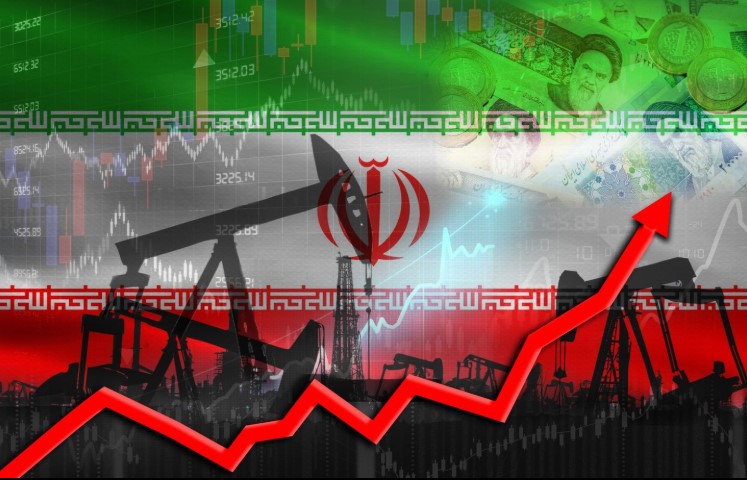
Global oil prices rebounded on Tuesday, with Brent crude climbing over 2% past $98 a barre...
-
Ceasefire Shattered: U.S., Israeli Jets Strike Ira...
U.S. and Israeli fighter jets launched joint air strikes against Iranian vessels near Lara...
.jpg)
-
Secret Naqvi-PTI Meeting Triggers Internal Rift Ov...
A low-profile meeting between senior PTI leaders and Interior Minister Mohsin Naqvi has sp...
-
The Final Signature Eludes: President Trump Warns ...
The final signatures on a potential U.S.–Iran peace accord remain elusive as negotiation...