POLITICS & POLICY MAKING
Detailed Report
-
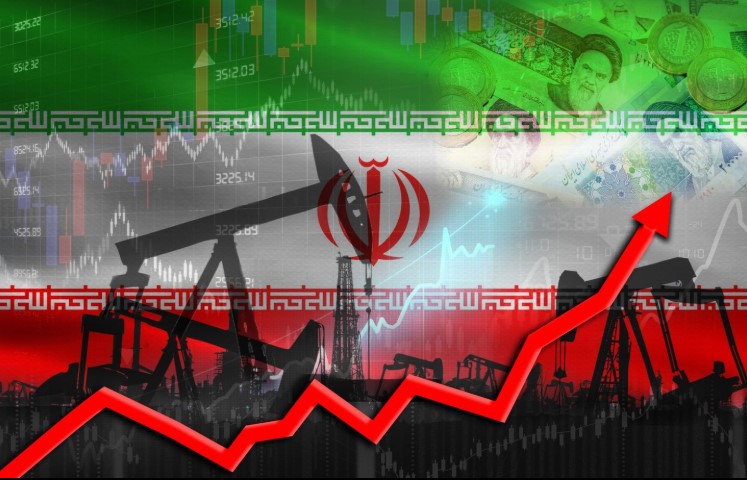
The Energy Rebound: The aggressive downward slide in global energy markets ground to a halt on Tuesday, with crude benchmarks reversing course as fresh geopolitical friction unsettled trading desks. International benchmark Brent crude futures jumped more than 2% in Asian trade to settle at $98.21 a barrel, clawing back ground lost during Monday's massive sell-off. Meanwhile, U.S. West Texas Intermediate (WTI) edged upward from its last traded price, though it remained down roughly 4.9% from Friday's close, navigating a highly fluid trading landscape complicated by the closure of U.S. exchanges for the Memorial Day public holiday.
-
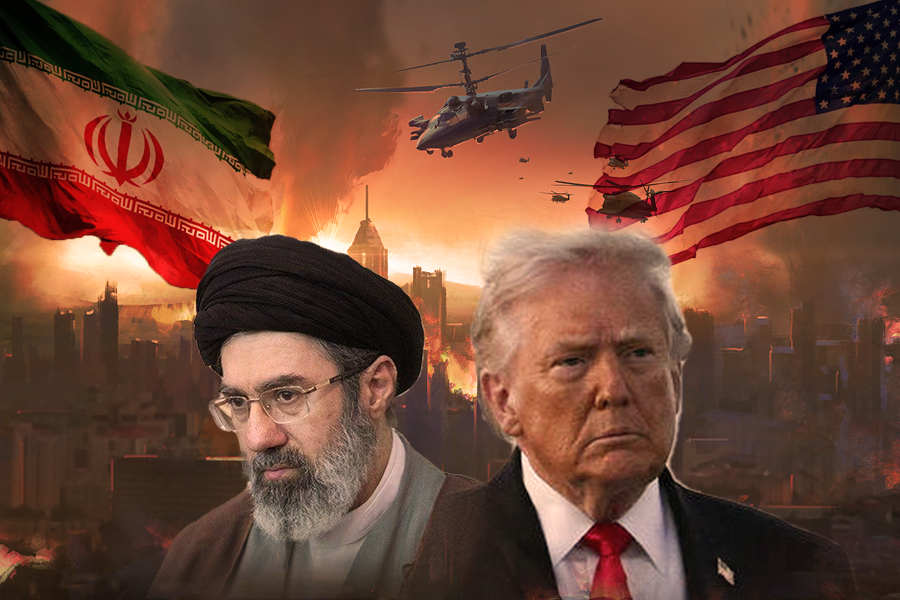
Strikes Disrupt the Doha Diplomatic Track: The sudden upward pressure on oil contracts was directly triggered by a sharp reality check in the Middle East. While Tehran’s top foreign policy officials were actively on the ground in Doha negotiating a potential ceasefire framework with Qatar’s Prime Minister, U.S. Central Command executed what it described as "defensive" military strikes against missile installations inside southern Iran. The kinetic friction was further compounded when U.S. Secretary of State Marco Rubio quashed hopes of an immediate resolution, warning reporters that finalizing a binding treaty would realistically "take a few days," effectively bursting the market’s near-term optimism.
-
Global Stock Markets Waver: Equity indexes mirrored the geopolitical whiplash, displaying highly mixed and hesitant behavior across global exchanges. Japan’s benchmark Nikkei 225 edged down 0.14%, pausing its record-shattering momentum from the previous session, while MSCI's broadest index of Asia-Pacific shares outside Japan managed a modest 0.67% gain. In Europe, futures indices moved sideways with the EUROSTOXX 50 easing 0.16% and Germany's DAX losing 0.26%. Analysts noted that while global markets are desperate to price in an end to the three-month-old war, actual structural details—particularly the verified reopening date of the heavily blockaded Strait of Hormuz—remain entirely unknown.
The Macro Inventory Warning: Financial strategists are warning that global markets cannot sustain this holding pattern indefinitely. The world economy has managed to survive the closing of the Persian Gulf shipping corridors primarily by aggressively running down existing oil inventories. However, experts emphasize that these buffers are rapidly hitting a critical floor, meaning a prolonged diplomatic deadlock will inevitably force a severe, long-term crunch on global supply chains.
-
'Utterly Baseless': Qatar Rejects Sabotage Rumors ...
Qatar’s Foreign Ministry has dismissed reports that it offered $12 billion to Iran to fi...
.jpg)
-
Ceasefire Shattered: U.S., Israeli Jets Strike Ira...
U.S. and Israeli fighter jets launched joint air strikes against Iranian vessels near Lara...
.jpg)
-
Fragile Ceasefire Imperiled: U.S. Launches 'Self-D...
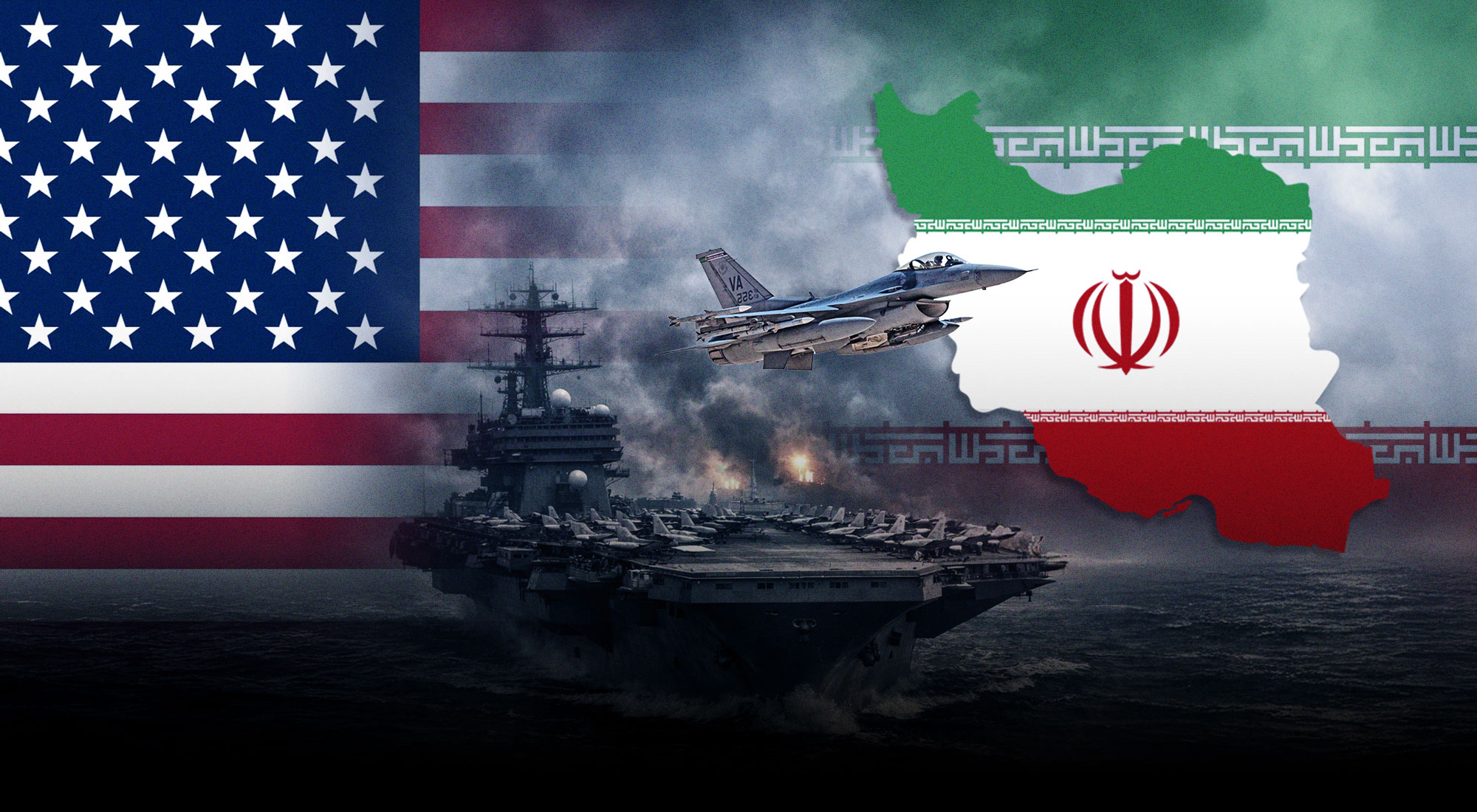
The U.S. military has conducted "self-defence" strikes against missile sites and mine-layi...
-
Secret Naqvi-PTI Meeting Triggers Internal Rift Ov...
A low-profile meeting between senior PTI leaders and Interior Minister Mohsin Naqvi has sp...

-
The Final Signature Eludes: President Trump Warns ...
The final signatures on a potential U.S.–Iran peace accord remain elusive as negotiation...