WORLD NEWS
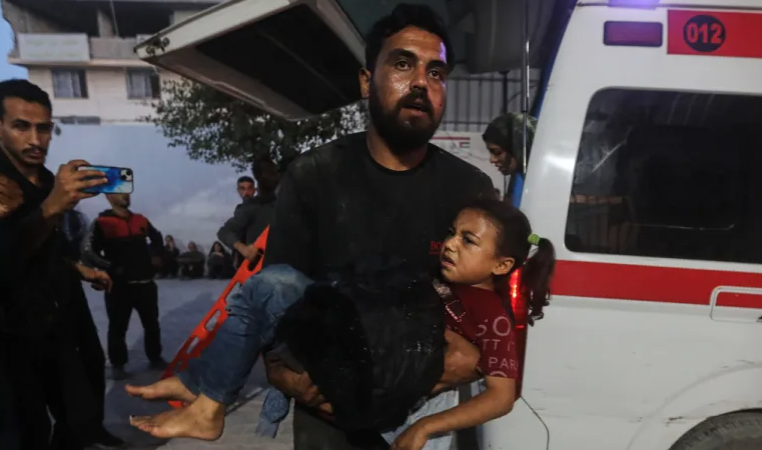
Following the partial reopening of the Rafah crossing with Egypt, attention has focused on evacuating wounded and sick Palestinians from Gaza. While medical evacuations are crucial, experts warn that the deeper crisis lies in the destruction of Gaza’s healthcare system, which has been devastated after years of blockade, bombardment, and mass casualties.
“The Israeli occupation has deliberately and methodically destroyed the health system,” said Zaher al-Wahidi, spokesperson for the Gaza Ministry of Health. He outlined five major challenges: lack of patient evacuations, insufficient medical equipment, shortages of essential medication, damaged facilities, and a critical need for medical personnel.
Even after a U.S.-brokered “ceasefire” in October, the health crisis persists. Chronic shortages are leaving thousands without medication. For example, kidney patients in Gaza have dropped from 1,244 before the war to just 622, with hundreds dying from lack of dialysis services. The deficit of medicines for chronic illnesses now stands at 62 percent, affecting 350,000 patients in Gaza.
Israeli attacks have damaged or destroyed 22 hospitals and 211 ambulances, leaving northern Gaza without functioning medical facilities. Many residents must travel long distances, sometimes on foot, to reach hospitals in Gaza City for essential care.
Experts stress that rebuilding Gaza’s health system must go hand-in-hand with evacuations. Trauma surgeon Mohammed Tahir highlighted the destruction of hospitals, loss of staff, and severe shortages in surgical equipment, ICUs, and medicines. Evacuating patients with complex conditions can ease the strain on the remaining healthcare facilities, allowing them to provide routine care.
WHO spokesperson Tarik Jasarevic called for broader referral pathways to Jerusalem, the West Bank, and other countries, emphasizing that reliance solely on patient evacuations is not sustainable.
Public health experts describe the systematic targeting of Gaza’s healthcare system as a deliberate attempt to dismantle Palestinian society. The destruction of hospitals, displacement of medical staff, and shortages of essential services have compounded the humanitarian crisis and contributed to ongoing displacement.
Despite the devastation, Gaza’s healthcare system is working to rebuild. Al-Wahidi reported that local efforts have resumed services such as open-heart surgeries at al-Quds Hospital and childbirth services at 19 clinics. Vaccination campaigns and gradual facility restorations are underway, reflecting resilience amid severe constraints.
Palestinian-American public health expert Yara Asi emphasized the resilience of Gaza’s medical community. “The health sector is such a microcosm of Palestinian resilience… it’s incredible,” she said, highlighting the determination of medical workers to continue providing care despite ongoing threats.
Experts stress that the international community must go beyond temporary evacuations and aid to support the long-term rebuilding of Gaza’s health system, which remains a lifeline for the population under siege.
-
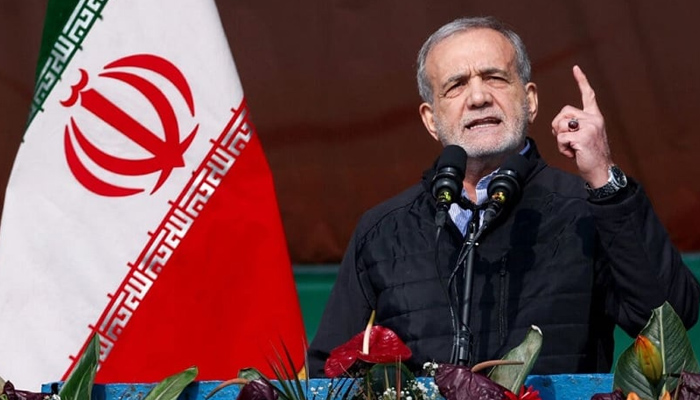
Iran Sets Three Ceasefire Conditions Amid Regional...
Iranian President Masoud Peshmerga demands recognition of Iran’s rights, compensation fo...
-
Iran’s New Supreme Leader Khamenei Vows Revenge,...
Iranian Supreme Leader Mojtaba Khamenei pledges to avenge martyrs and warns that the Strai...

-
Canada Rules Out Participation in War Against Iran...
Canadian PM Mark Carney states that Canada will never join a war against Iran, while suppo...

-
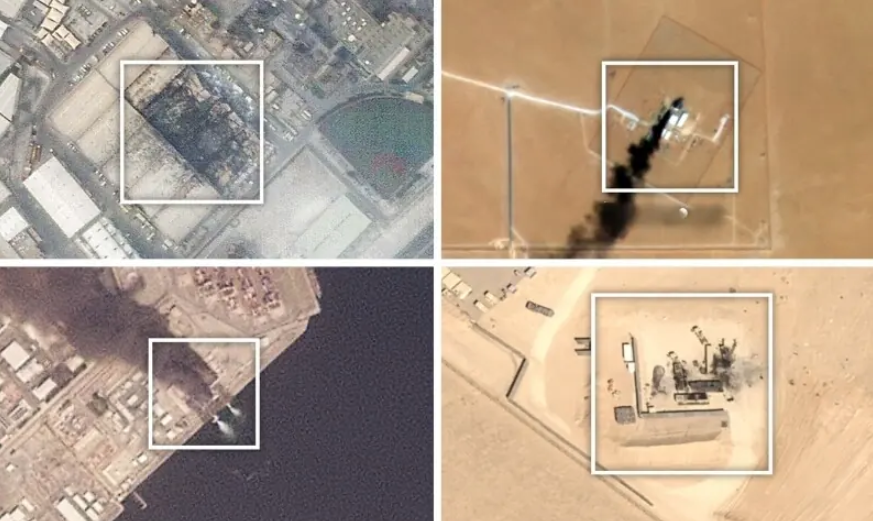
Iran Strikes Damage 17 US Installations in Middle ...
Satellite images show Iranian drone and missile attacks have damaged 17 US sites in the Mi...
-
Iran Targets Israeli Bases as US-Israel War Enters...
Iran’s military claims it struck Israeli airbases and Shin Bet headquarters as the US-Is...