WORLD NEWS
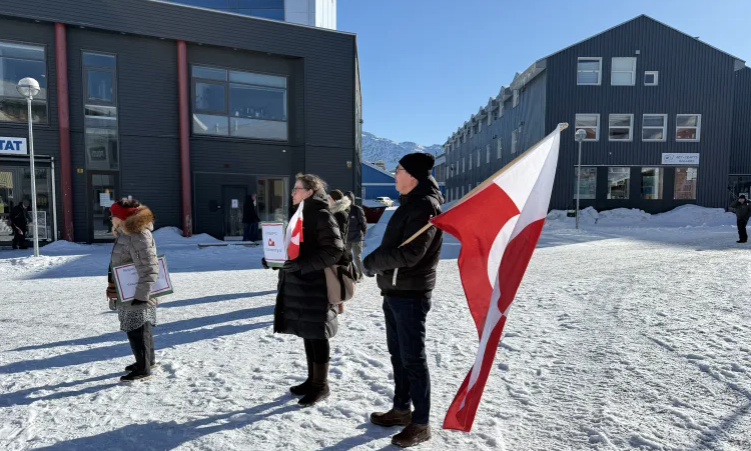
As international attention intensifies on Greenland, the island’s two representatives in the Danish parliament have firmly rejected any suggestion that the Arctic territory could be acquired by the United States, warning that President Donald Trump’s renewed push has plunged Denmark and Greenland into their most serious foreign relations crisis since World War II.
Greenlandic MP Aaja Chemnitz of the Inuit Ataqatigiit (IA) party said Greenland’s identity, culture and people are not commodities. Speaking amid a flurry of international media interviews in Copenhagen, she stressed that Greenlanders have no desire to become American citizens.
“Greenland is not for sale, and Greenland will never be for sale,” Chemnitz said. “People seem to think they can buy the Greenlandic soul. It is our identity, our language and our culture, and that is not something a majority in Greenland want.”
The comments follow a high-level crisis meeting of Denmark’s foreign relations committee, convened solely to address rapidly deteriorating ties between Denmark and its NATO ally, the United States. The tensions stem from President Trump’s repeated assertions that Washington should acquire Greenland, a proposal he first raised during his initial term in 2019.
The island’s second MP, Aki-Matilda Hoegh-Dam of the Naleraq party, described the current situation as deeply unsettling for Greenland’s population of around 56,000.
“It has been a very turbulent time for many Greenlanders,” she said. “We feel cornered, and that is making a lot of people anxious.”
Greenland is a self-governing territory within the Kingdom of Denmark, though Copenhagen retains control over defence and foreign policy. According to political analysts, Trump’s statements — including remarks suggesting military force could remain an option — have created unprecedented alarm in both Nuuk and Copenhagen.
“This is the worst foreign relations crisis for the Danish kingdom since World War II,” said former Danish defence minister and political commentator Hans Engell, noting that even at the height of the Cold War, relations with Washington were never this strained.
The US president argues that Greenland is vital to American national security due to its strategic location in the Arctic. However, observers believe the island’s untapped rare earth minerals, oil reserves and strategic military value may be driving Washington’s interest, while others suggest Trump is motivated by a desire to expand US territory and secure a historic legacy.
Trump recently stated that “ownership” of Greenland matters more than control, adding fuel to fears among Greenlanders. His remark that the US could pursue the acquisition “the hard way” if negotiations fail has further heightened anxiety.
Greenland has a long history of resisting such proposals. The United States previously attempted to purchase the island in 1868 and again in 1946, when Denmark rejected a $100 million offer in gold following World War II.
Experts point out that Denmark cannot sell Greenland unilaterally and that any change in sovereignty would require Greenlandic consent — something all major political parties on the island have categorically ruled out.
“All Greenlandic parties have stated that we do not want to be Americans — and we also do not want to be Danish. We want to be Greenlanders,” Hoegh-Dam said. “We already have one coloniser; we do not need a new one.”
In response to the escalating crisis, Denmark and Greenland have requested urgent talks with US Secretary of State Marco Rubio, a meeting that could shape the future of the dispute.
Despite the uncertainty, Greenlandic leaders say the island will stand firm.
“Greenlanders are a proud and resilient people,” Hoegh-Dam said. “We will hold on to that belief no matter who is trying to colonise us.”
As Greenland finds itself at a pivotal moment in history, Chemnitz warned that the threat must be taken seriously.
“There is an internal threat from our own structural challenges,” she said. “And there is an external threat coming from the US right now.”
-
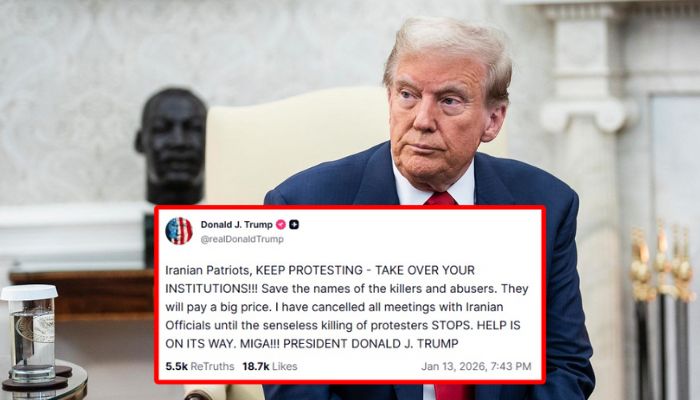
Trump Urges Iranians to Continue Protests, Says â€...
US President Donald Trump backs Iranian protesters, urging them to continue demonstrations...
-
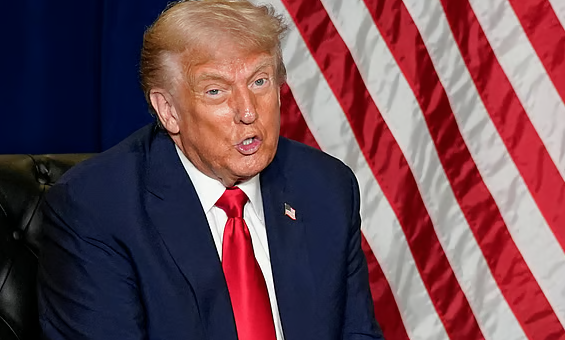
Trump Imposes 25% Tariff on Countries Doing Busine...
US President Trump announces 25% tariff on nations trading with Iran, escalating pressure ...
-
Taliban Appoints First Senior Official to Lead Emb...
Afghanistan’s Taliban names Noor Ahmad Noor as charge d’affaires in Delhi, signaling d...
-
Russia Launches Massive Missile, Drone Strikes Acr...
Russia hits Ukraine with nearly 300 drones and missiles overnight, targeting energy facili...
-
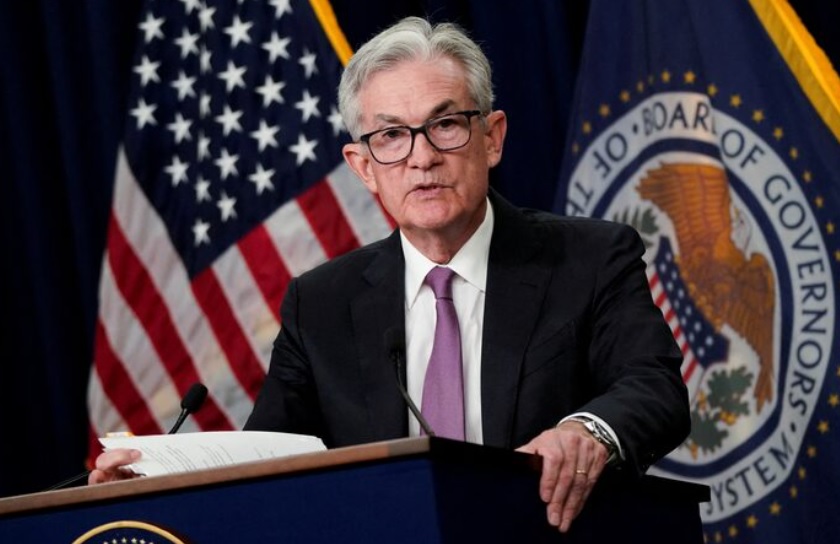
Global Central Bank Chiefs Rally Behind Fed Chair ...
World’s top central bankers issue rare joint statement backing Fed Chair Jerome Powell a...