WORLD NEWS
Hamas has firmly rejected statements by Israeli officials demanding the Gaza-based group disarm within 60 days, warning that such threats hold no legitimacy in ongoing negotiations.
Senior Hamas official Mahmoud Mardawi told Al Jazeera Mubasher on Monday that he was unaware of any such ultimatum. “Statements made by Israeli Prime Minister Benjamin Netanyahu … and through the media are merely threats with no basis in the ongoing negotiations,” he said.
Israeli Ultimatum
The remarks follow comments by Israeli Cabinet Secretary Yossi Fuchs at a conference in Jerusalem, who threatened to renew Israel’s war on Gaza if Hamas failed to disarm within two months, according to local outlet Times of Israel.
Fuchs claimed that the 60-day timeline was requested by the United States administration and indicated that it might coincide with the February 19 meeting of US President Donald Trump’s Board of Peace — part of a Washington-backed plan for Gaza’s reconstruction. “We will evaluate it. If it works, great. If not, then the IDF [Israeli army] will have to complete the mission,” Fuchs said.
Hamas Response
Mardawi stressed that any attempt to renew hostilities would have “serious repercussions for the region” and affirmed that “the Palestinian people will not surrender.” He reiterated Hamas’s stance that it will not disarm as long as Israel continues to occupy Gaza.
Earlier this month, Hamas political leader abroad Khaled Meshaal also rejected calls for disarmament, warning that depriving Palestinians of weapons would render them “an easy victim to be eliminated.”
Humanitarian Toll in Gaza
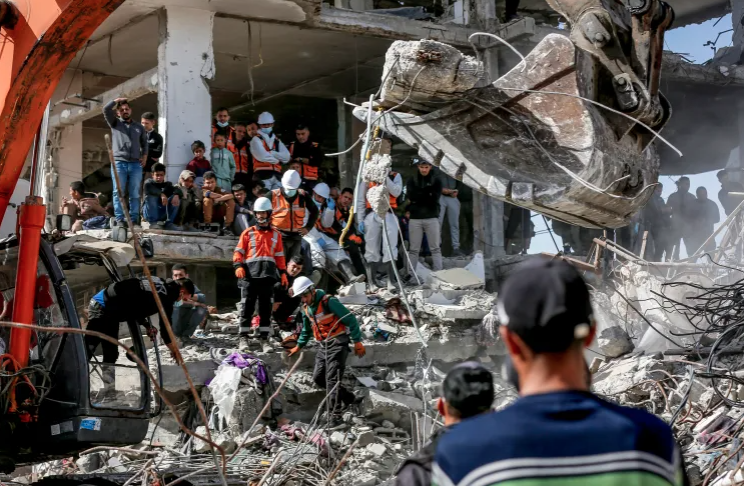
Since the start of Israel’s genocidal campaign in October 2023, over 72,000 Palestinians have been killed, including thousands of children. Despite a US-brokered “ceasefire” that began in October, assaults have persisted, with more than 600 Palestinians killed since its inception. According to Gaza authorities, Israel has violated the ceasefire 1,520 times.
The blockade of Gaza continues to worsen humanitarian conditions. Supplies of food, medicine, medical equipment, shelter materials, and prefabricated homes are severely restricted for nearly two million residents, including 1.5 million displaced people, leaving many living in catastrophic conditions.
Hamas’s rejection of disarmament underscores the ongoing tension in Gaza and the fragility of peace efforts, highlighting the challenges in reconciling security demands with the humanitarian crisis in the territory.
-
Iran Sets Three Ceasefire Conditions Amid Regional...
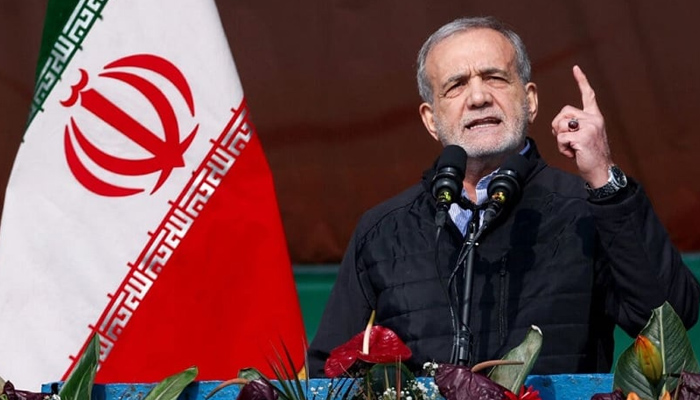
Iranian President Masoud Peshmerga demands recognition of Iran’s rights, compensation fo...
-
Iran’s New Supreme Leader Khamenei Vows Revenge,...
Iranian Supreme Leader Mojtaba Khamenei pledges to avenge martyrs and warns that the Strai...

-
Canada Rules Out Participation in War Against Iran...
Canadian PM Mark Carney states that Canada will never join a war against Iran, while suppo...

-
Iran Strikes Damage 17 US Installations in Middle ...
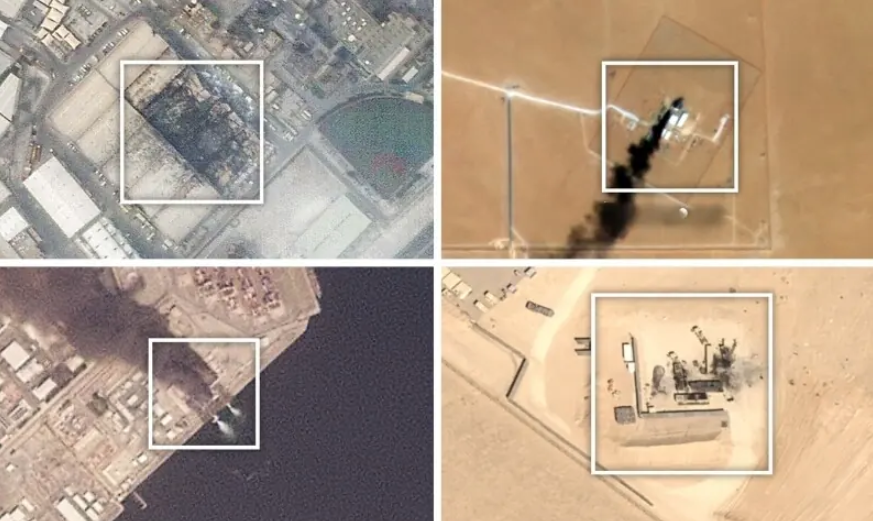
Satellite images show Iranian drone and missile attacks have damaged 17 US sites in the Mi...
-
Iran Targets Israeli Bases as US-Israel War Enters...
Iran’s military claims it struck Israeli airbases and Shin Bet headquarters as the US-Is...