WORLD NEWS
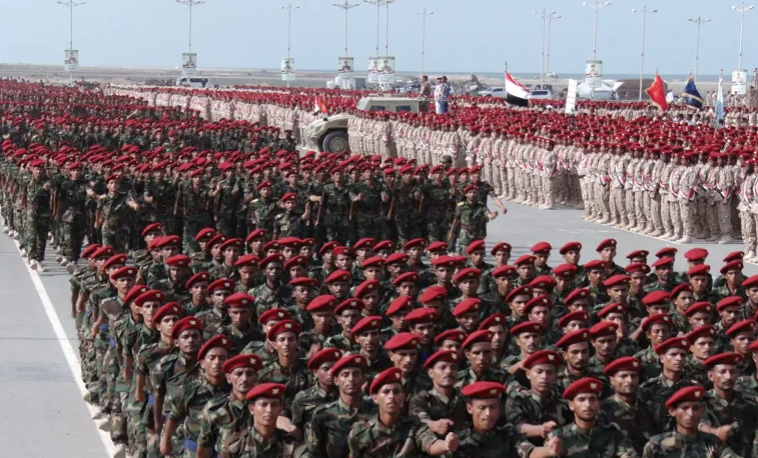
Yemen’s Houthi movement has launched a barrage of ballistic missiles targeting Israel, marking its first direct strike since the outbreak of the escalating conflict involving the United States, Israel, and Iran.
The attack was announced on Saturday by Yahya Saree, who stated that the strikes were aimed at what he described as “sensitive Israeli military sites” in southern Israel. Speaking via the group’s Al Masirah television channel, Saree warned that such attacks would continue until the group’s objectives were achieved and hostilities against allied fronts ceased.
The Israel Defense Forces confirmed that at least one missile was intercepted. Air raid sirens were reported in areas around Beersheba and near Israel’s main nuclear research facility. No casualties or significant damage were immediately reported.
The missile barrage came shortly after a prior statement from the Houthis hinted at entering the widening regional conflict. The group, which controls much of Yemen including the capital Sanaa, had previously refrained from direct involvement in the ongoing war involving Iran and Israel.
However, the Houthis have played a disruptive role in regional security over the past two years. During the Israel-Gaza conflict, they targeted commercial shipping in the Red Sea, attacking over 100 vessels, sinking two ships, and causing multiple casualties. These attacks significantly disrupted global trade routes, particularly through the strategically vital Red Sea.
Houthi official Mohammed Mansour indicated that the group’s campaign could escalate further, with the potential closure of the Bab al-Mandeb Strait under consideration. The strait is a crucial maritime chokepoint linking the Red Sea to the Gulf of Aden, through which a significant portion of global trade passes.
Analysts warn that any disruption in the Bab al-Mandeb could have far-reaching economic consequences, especially when combined with potential instability in other critical routes such as the Strait of Hormuz and the Suez Canal.
The escalation also raises concerns for U.S. military deployments in the region. The USS Gerald R. Ford, currently undergoing maintenance in Crete, could be drawn into a more active role if tensions continue to rise. Previous U.S. naval assets, including the USS Dwight D. Eisenhower and USS Harry S. Truman, have faced sustained Houthi attacks during earlier confrontations.
Experts view the Houthis’ entry into the conflict as a significant development. Mohamad Elmasry described the move as potentially “very significant,” noting that a coordinated blockade of major waterways could severely impact global trade.
Similarly, regional analyst Ibrahim Jalal warned that threats to maritime security around Yemen are “very alarming,” particularly if combined with broader strategic actions by Iran and its allies.
Meanwhile, tensions on Israel’s northern front also intensified, with reports of Israeli soldiers wounded in rocket attacks from southern Lebanon, highlighting the growing risk of a multi-front conflict.
As the situation evolves, observers expect potential retaliation from Israel, raising fears that the conflict could expand further and destabilize an already volatile Middle East.
-
Russia Imposes Temporary Petrol Export Ban...
Russia halts petrol exports from April 1 to July 31, 2026, to stabilize domestic fuel pric...
-
US Lawmakers Hesitant to Curb Trump’s Iran War a...
A month into the US-Israeli war on Iran, public disapproval rises but Congress remains div...

-
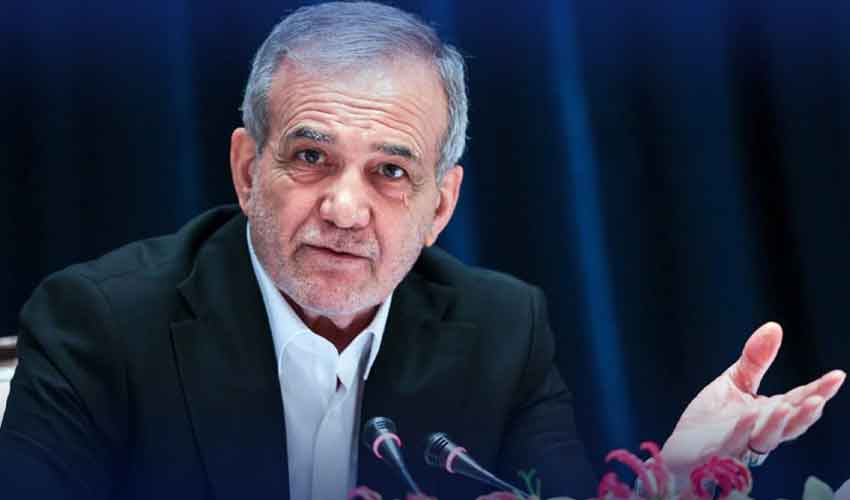
Iran Warns Neighbors Against Hosting Attacks, Stri...
Iranian President Masoud Peshmerga warns regional countries: “Don’t let enemies use yo...
-
Israeli Airstrike Kills Two Lebanese Journalists i...
Two Lebanese journalists, Ali Shoaib (Al Manar) and Fatima Ftouni (Al Mayadeen), killed in...

-
Trump Says “Cuba Is Next” Amid Rising Pressure...
President Trump warns “Cuba is next” in Miami speech, repeating threat against island ...