WORLD NEWS
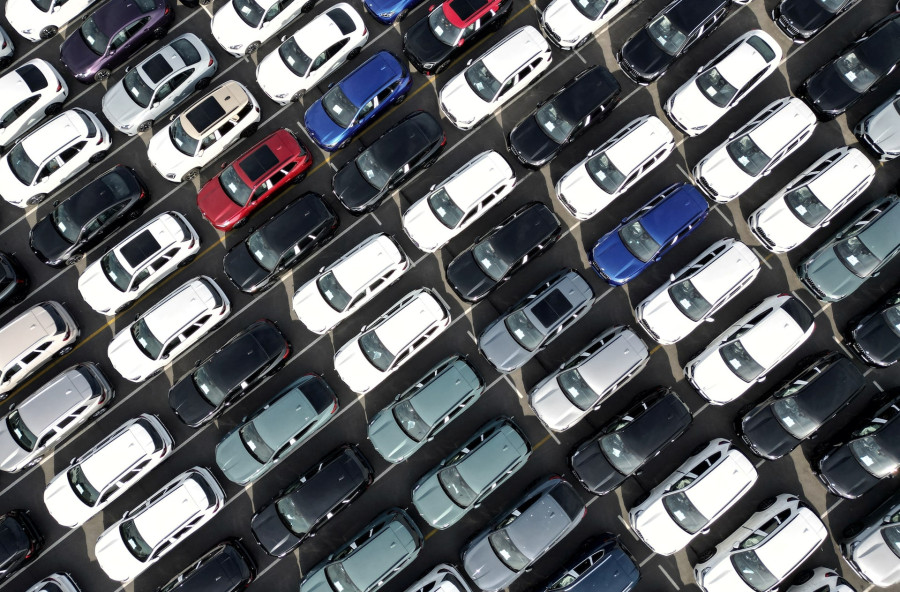
India is preparing to significantly reduce import tariffs on cars from the European Union, cutting duties to 40 percent from as high as 110 percent, in what would be the biggest opening yet of the country’s highly protected automobile market. The move comes as India and the EU close in on a long-awaited free trade agreement, which could be announced as early as Tuesday, according to sources familiar with the negotiations.
Prime Minister Narendra Modi’s government has agreed to immediately lower taxes on a limited number of vehicles imported from the 27-nation EU bloc, particularly those priced above 15,000 euros ($17,739). Over time, the tariff is expected to fall further to just 10 percent, easing access for major European automakers such as Volkswagen, Mercedes-Benz and BMW.
Officials involved in the confidential talks said India initially proposed cutting duties to 40 percent for around 200,000 combustion-engine vehicles annually — a major shift for a sector long shielded from foreign competition. However, the quota and specific details could still change before the final agreement is signed.
Battery electric vehicles (EVs) will be excluded from tariff reductions for the first five years to protect domestic investments by companies such as Tata Motors and Mahindra & Mahindra. After this period, EVs are expected to follow similar duty cuts.
The proposed free trade agreement — already dubbed the “mother of all deals” — is expected to significantly boost bilateral trade between India and the EU. It could also help Indian exporters of textiles, jewellery, and other goods recover from the impact of steep 50 percent tariffs imposed by the United States since late August.
India is currently the world’s third-largest car market after the US and China, selling about 4.4 million vehicles annually. However, the sector has been dominated by domestic manufacturers and Japan’s Suzuki Motor, which together control most of the market. European brands hold less than 4 percent share, largely due to high import duties.
Lower tariffs are expected to benefit European automakers including Volkswagen, Renault, Stellantis, Mercedes-Benz and BMW. While many of these companies already manufacture vehicles locally, the reduced duties will allow them to import a broader range of models at more competitive prices and test demand before expanding production.
With India’s car market projected to grow to 6 million units annually by 2030, several global automakers are preparing fresh investments. Renault is re-entering the Indian market with a renewed strategy, while Volkswagen Group is finalising new investment plans through its Skoda brand.
If finalised, the India-EU free trade pact would mark a historic shift in India’s trade and industrial policy, signaling greater openness to foreign competition while strengthening economic ties with Europe.
-
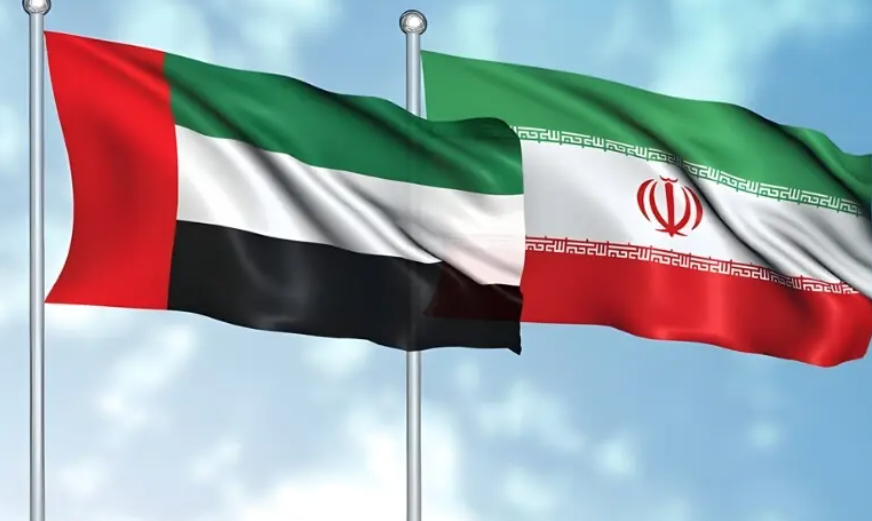
UAE Rules Out Use of Territory for Military Action...
UAE declares its airspace, land, and sea will not be used for any attack on Iran, emphasiz...
-
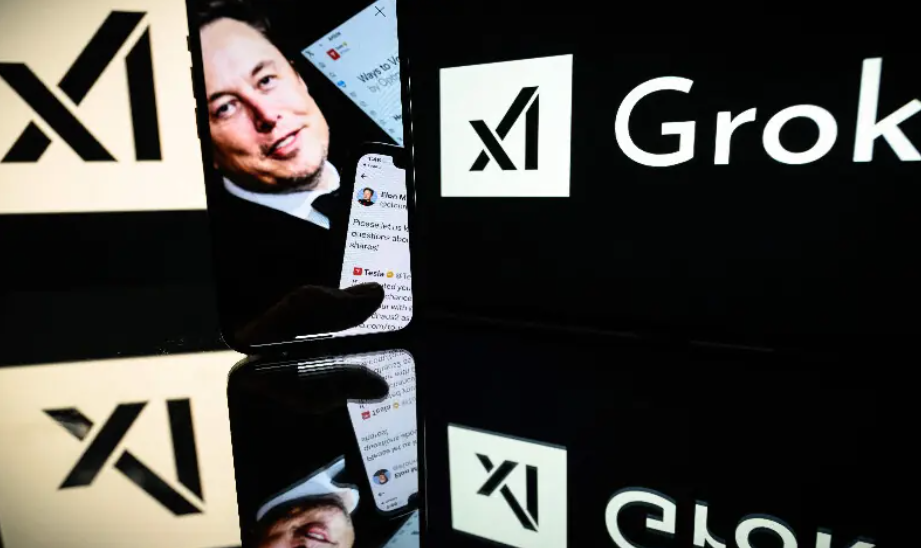
EU Launches Probe Against Elon Musk’s X Over Sex...
The EU investigates X’s AI chatbot Grok for generating sexualised deepfake images of wom...
-
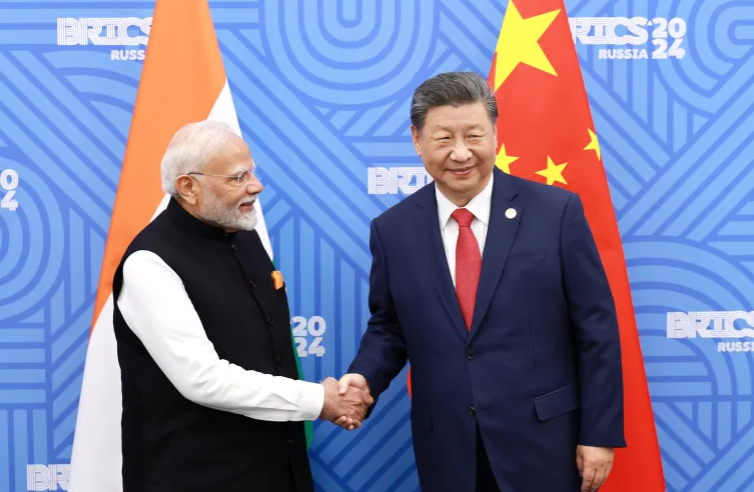
Xi Jinping Calls China and India ‘Good Neighbour...
Chinese President Xi Jinping praised China and India as “good neighbours, friends and pa...
-
Supreme Court Considers Trump’s Bid to Fire Fed ...
Historic case before US Supreme Court: Trump seeks to fire Fed Governor Lisa Cook, testing...
-
Meta’s New AI Lab Delivers First High-Profile Mo...
Meta’s AI lab rolls out first internal models, promising advances in text, image & video...