POLITICS & POLICY MAKING
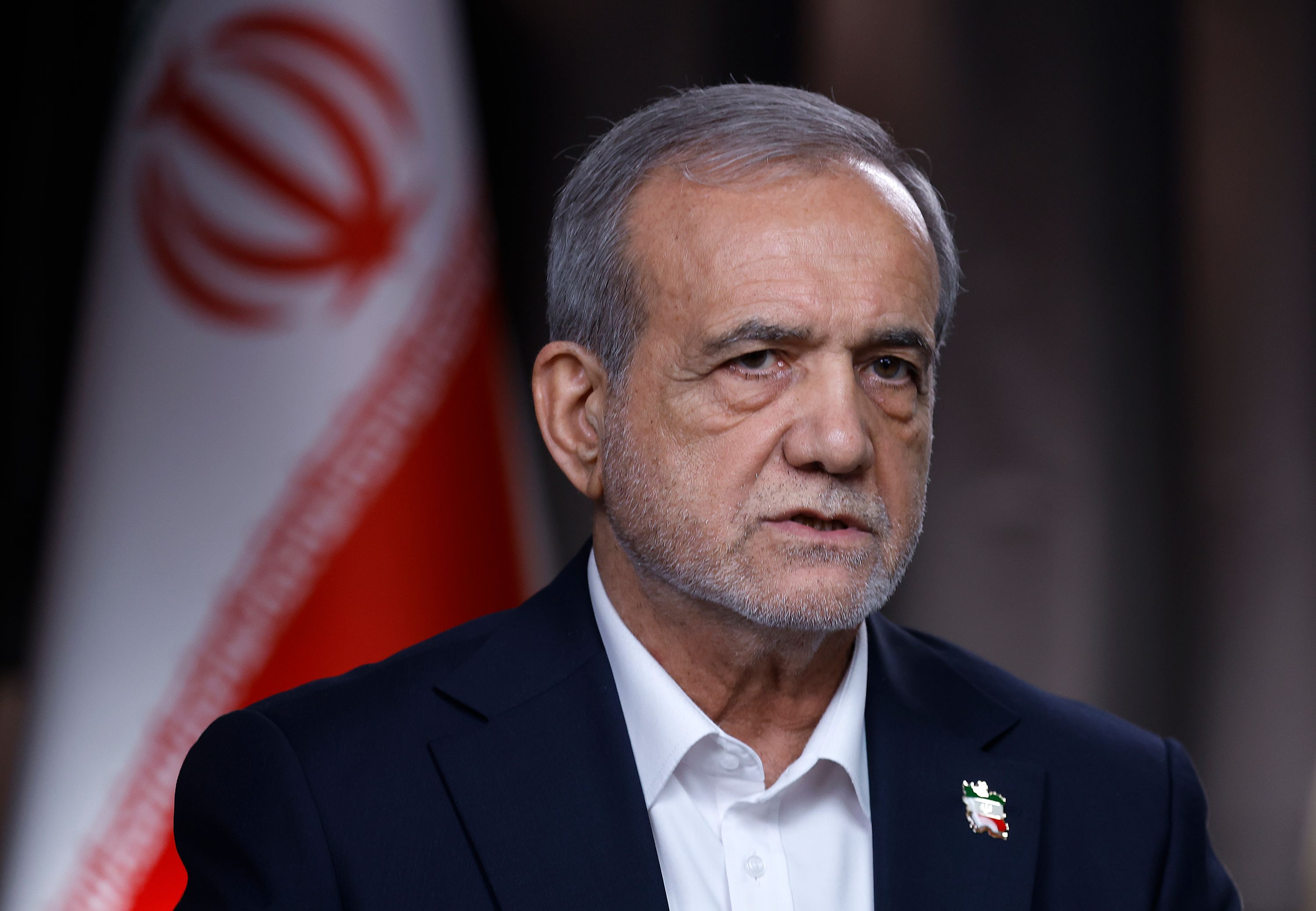
Iran Denies President Pezeshkian Resigned Over Rumored IRGC Power Struggles and Government Sidelining
Detailed Report
-
The Official Denial: The Iranian government has formally and aggressively rejected widespread reports claiming that President Masoud Pezeshkian submitted his resignation. The controversy erupted after London-based news outlet Iran International cited unnamed sources alleging that Pezeshkian had sent an official resignation letter directly to the Office of the Supreme Leader. In a swift response via social media, Mehdi Tabatabaei, the Deputy Head of Communications for the Presidential Office, dismissed the claims as outright fabrications, categorizing them as psychological "media games" orchestrated by hostile foreign networks to disrupt internal stability. Tabatabaei emphasized that Pezeshkian remains fully committed to his executive duties and will not abandon his mandate to serve the public.
- Alleged Friction with the IRGC: According to the initial unsourced reports, the alleged resignation letter specifically cited deep operational frustrations within the administration. The leak claimed that President Pezeshkian felt increasingly unable to execute his constitutional obligations or manage the civilian government because key decision-making processes and state sectors had reportedly fallen under the direct, unilateral control of the commanders of the Islamic Revolutionary Guard Corps (IRGC). State-aligned Iranian news agencies countered this narrative by asserting that the rumors were intentionally generated by foreign intelligence structures to project a false image of state fragmentation and weaken Iranian national unity during a critical diplomatic window.
- The Geopolitical Context: This internal media clash unfolds against a backdrop of severe regional instability. Tensions spiked dramatically following direct military strikes exchanged between Iran, Israel, and the United States, alongside a temporary closure of the strategic Strait of Hormuz. While a delicate, Pakistani-mediated ceasefire took effect on April 8, subsequent high-level diplomatic security negotiations held in Islamabad have repeatedly stalled over Iranian demands regarding sovereignty and sanctions relief.
-
Final Countdown: Barrister Gohar and Bilawal Bhutt...
PTI Chairman Barrister Gohar and PPP Chairman Bilawal Bhutto-Zardari have arrived in Skard...
.jpg)
-
Pre-Election Standoff: PTI Warns of Street Agitati...
Political tensions are peaking ahead of the June 7 Gilgit-Baltistan elections as PTI warns...

-
Disinformation Campaign: Aleema Claims Jail Meetin...
PTI founder Imran Khan’s sister, Aleema Khan, has strongly rejected viral social media r...
.jpg)
-
Islamabad Rejects Kabul's Assurances: Afghan Talib...
Pakistan has dismissed an informal notification from the Afghan Taliban stating that Supre...
-
Ceasefire Shattered: Netanyahu Orders Deeper Groun...
Israeli PM Benjamin Netanyahu has ordered a deeper ground invasion into southern Lebanon, ...
.jpg)