POLITICS & POLICY MAKING
Islamabad Rejects Kabul's Assurances: Afghan Taliban Supreme Leader's Warning to TTP Deemed 'Insufficient'
Detailed Report
-
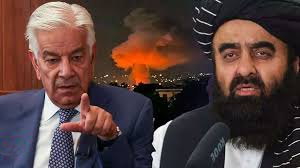
The Informal Warning from Kandahar: In a strategic move designed to ease escalating diplomatic and regional pressures, the Afghan Taliban regime has informally informed Pakistani authorities that its Supreme Leader, Hibatullah Akhundzada, issued a stern ultimatum to the banned Tehreek-e-Taliban Pakistan (TTP). According to highly placed diplomatic sources, Akhundzada warned the TTP leadership to immediately halt all cross-border terror campaigns inside Pakistan or face a formal revocation of the Taliban's ideological and political allegiance.
-
Islamabad’s Firm Rejection: Despite the high-level nature of the purported warning, the government and security apparatus in Islamabad have flatly dismissed the gesture as a stall tactic lacking substance. Relevant Pakistani authorities view the assurance as a cosmetic effort to deflect international isolation rather than a genuine shift in policy. A senior Pakistani official, speaking on the condition of anonymity, revealed that intelligence assessments show zero tangible changes on the ground. Crucially, the official noted that the systemic recruitment of Afghan nationals into hostile militant networks continues unabated, rendering Kabul's promises meaningless without verifiable, kinetic action against sanctuaries.
The Border Escalation Cycle: The ongoing diplomatic impasse follows a highly volatile period in February and March, during which routine border skirmishes escalated into major military confrontations. Strained ties peaked when Pakistan's military executed precise, targeted cross-border airstrikes against specific TTP hideouts deep inside Afghan territory, acting on intelligence dossiers that Kabul has continuously denied.
-
The Trilateral Pressure in Beijing: While deep-seated mistrust dictates the bilateral relationship, backdoor channels remain active to prevent a total collapse of ties. In the first week of April, Beijing quietly facilitated a week-long, secret security summit between senior Pakistani and Afghan Taliban officials in Urumqi, China. Although Chinese mediators described the discussions as positive, TTP attacks originating from Afghan soil persisted immediately afterward. The security crisis subsequently took center stage during Prime Minister Shehbaz Sharif's high-level state visit to China. In a powerful joint declaration, both Islamabad and Beijing issued a direct mandate to the Taliban administration, demanding decisive, unyielding operations to eliminate the TTP, the East Turkestan Islamic Movement (ETIM), and affiliated transnational terror syndicates.
-
Final Countdown: Barrister Gohar and Bilawal Bhutt...
PTI Chairman Barrister Gohar and PPP Chairman Bilawal Bhutto-Zardari have arrived in Skard...
.jpg)
-
Pre-Election Standoff: PTI Warns of Street Agitati...
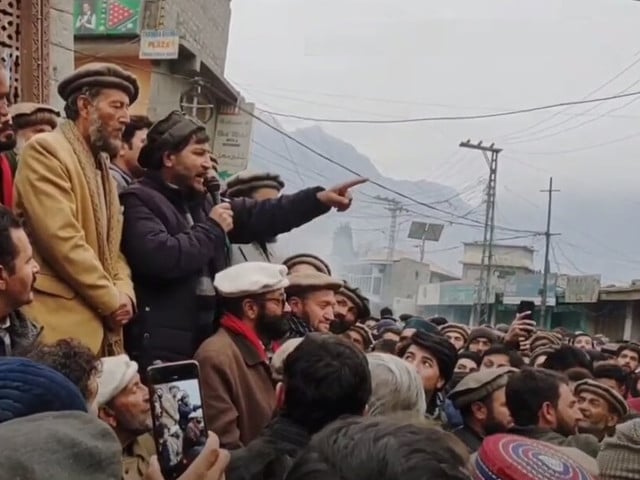
Political tensions are peaking ahead of the June 7 Gilgit-Baltistan elections as PTI warns...
-
Disinformation Campaign: Aleema Claims Jail Meetin...
PTI founder Imran Khan’s sister, Aleema Khan, has strongly rejected viral social media r...
.jpg)
-
Iran Denies President Pezeshkian Resigned Over Rum...
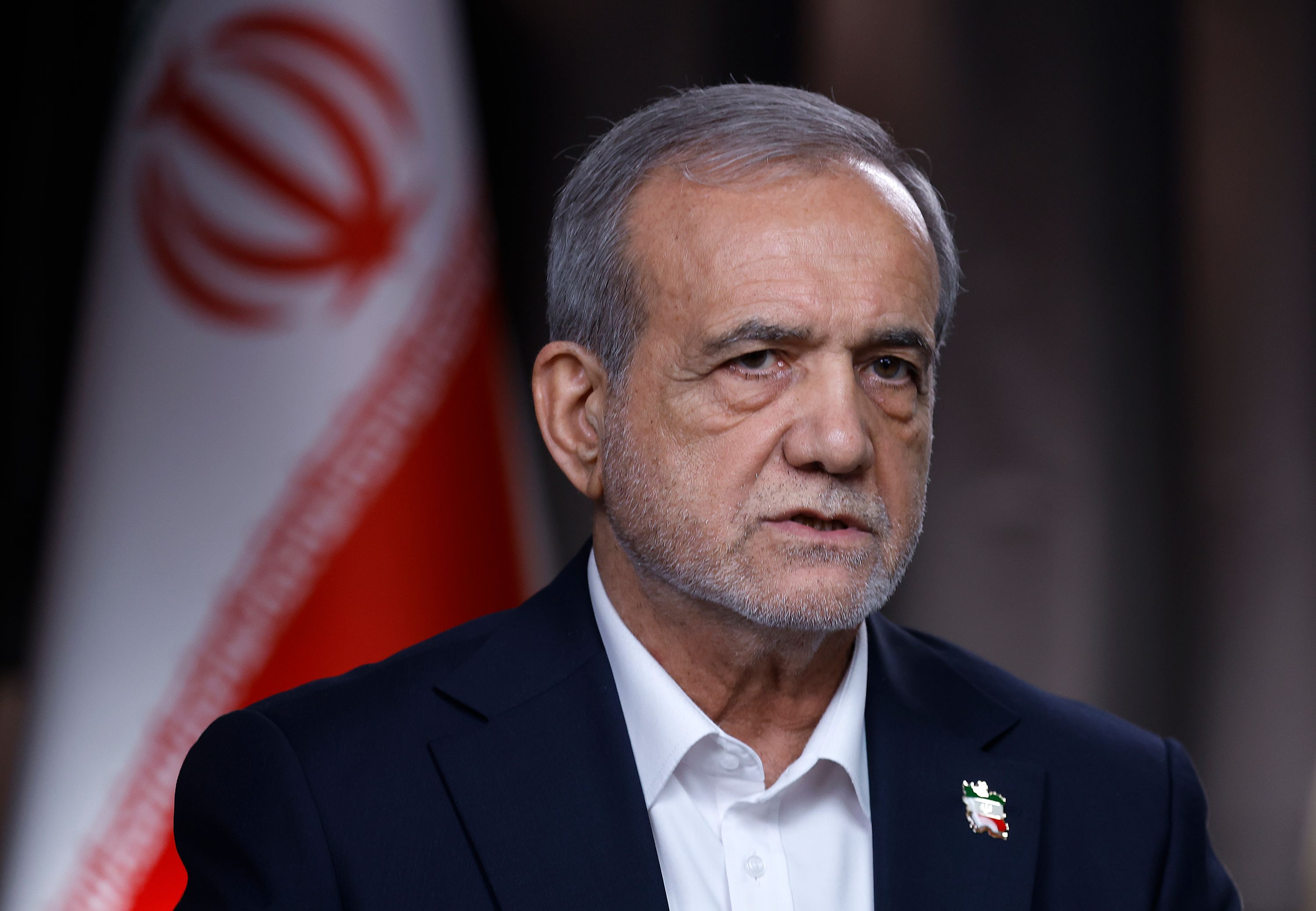
The Iranian presidential administration has strongly denied reports from foreign media out...
-
Ceasefire Shattered: Netanyahu Orders Deeper Groun...
Israeli PM Benjamin Netanyahu has ordered a deeper ground invasion into southern Lebanon, ...
.jpg)