POLITICS & POLICY MAKING
Detailed Report
-
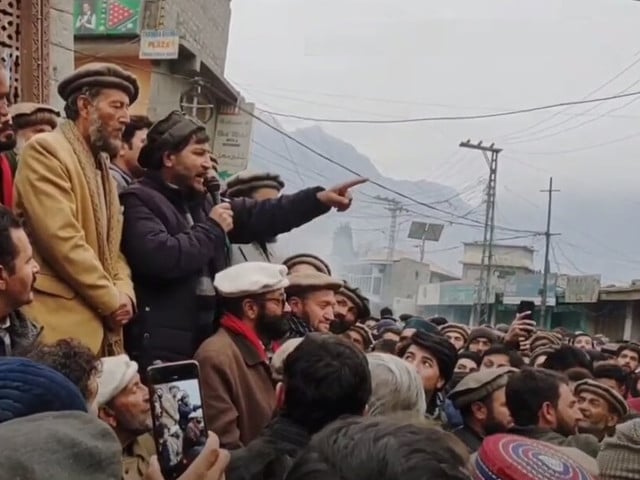
The Strained Campaign Trail: Political instability has intensified across Gilgit-Baltistan (GB) just days ahead of the Legislative Assembly elections scheduled for June 7. The Pakistan Tehreek-e-Insaf (PTI) has leveled serious allegations of pre-poll manipulation, systematic administrative pressure, and selective restrictions designed to sideline its candidates. Tensions peaked after former National Assembly Speaker Asad Qaiser issued a stern warning, stating that the party would launch full-scale street agitation if the electoral process lacked transparency. Qaiser explicitly called PTI’s passive stance following the February 2024 general elections a political mistake, signaling a much harder line if the upcoming GB results are disputed.
-
Campaign Blockades and Dual Standards: PTI has documented multiple instances of alleged harassment targeting its senior leadership. On May 29, provincial police forces stopped PTI’s Khyber-Pakhtunkhwa (KP) President Junaid Akbar Khan alongside several lawmakers at a checkpost in Ghizer district, citing a lack of required public gathering permits. Furthermore, Qaiser alleged that Punjab Police physically blocked him from reaching the Islamabad airport, causing him to miss a critical campaign flight to Skardu. PTI leaders have contrasted these strict travel blocks with the unrestricted movement of government officials, pointing out that Pakistan Muslim League-Nawaz (PML-N) leader Khawaja Saad Rafique and Federal Ministers Atta Tarar and Amir Muqam have been actively leading large public rallies across the region.
The Independent Struggle: Adding to its operational hurdles, the majority of PTI candidates are contesting the election as independents after being legally denied the use of the party's central electoral symbol. PTI claims local election commission officials have gone as far as approaching these independent candidates, pressuring them to abandon the party alignment and run on government-backed tickets.
-
The Security and Official Rebuttal: The federal administration and local election bodies have completely rejected all claims of state-sponsored bias. Minister of State for Interior Talal Chaudhry clarified that the travel restrictions affecting Asad Qaiser were strictly rooted in security protocols rather than political targeting. To maintain order, authorities confirmed that more than 5,000 Punjab Police personnel are being deployed to the region for active election duty. Meanwhile, GB Chief Election Commissioner Raja Shahbaz Khan maintained that the code of conduct is being strictly and equally applied, noting that show-cause notices for code violations have also been served to candidates from the PML-N and the Pakistan Peoples Party (PPP).
-
A Deepening Inter-Provincial Friction: The political battle has triggered a sharp institutional clash between regional governments. KP Chief Minister Sohail Afridi wrote a formal letter to the Chief Justice of the GB Supreme Appellate Court, demanding immediate judicial intervention to secure a level playing field. This move was quickly neutralized by the GB Chief Election Commissioner, who declared Afridi’s letter as legally invalid and a direct, unlawful interference in an independent electoral process.
-
Final Countdown: Barrister Gohar and Bilawal Bhutt...
PTI Chairman Barrister Gohar and PPP Chairman Bilawal Bhutto-Zardari have arrived in Skard...
.jpg)
-
Disinformation Campaign: Aleema Claims Jail Meetin...
PTI founder Imran Khan’s sister, Aleema Khan, has strongly rejected viral social media r...
.jpg)
-
Islamabad Rejects Kabul's Assurances: Afghan Talib...
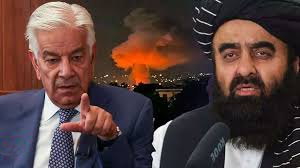
Pakistan has dismissed an informal notification from the Afghan Taliban stating that Supre...
-
Iran Denies President Pezeshkian Resigned Over Rum...
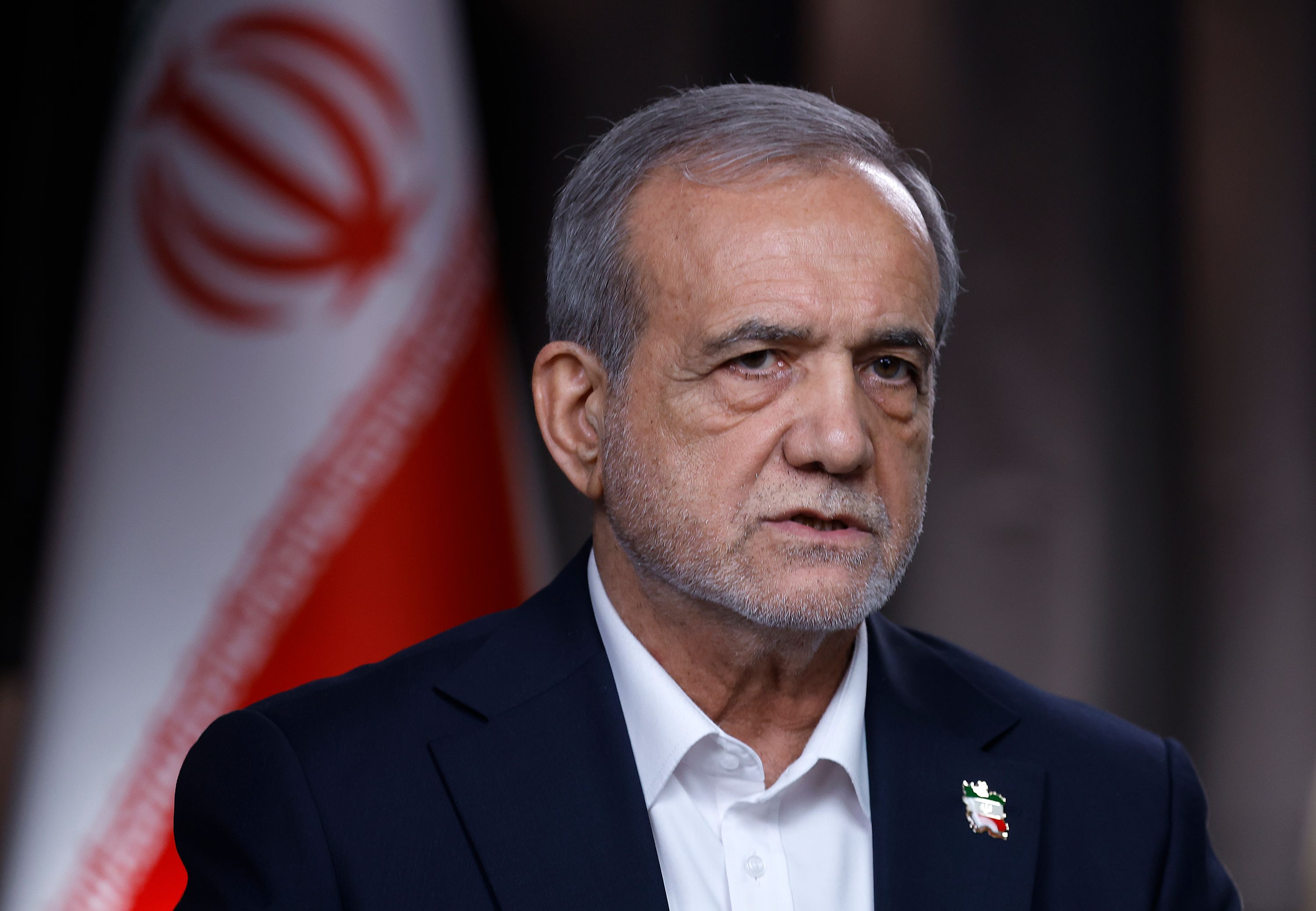
The Iranian presidential administration has strongly denied reports from foreign media out...
-
Ceasefire Shattered: Netanyahu Orders Deeper Groun...
Israeli PM Benjamin Netanyahu has ordered a deeper ground invasion into southern Lebanon, ...
.jpg)