WORLD NEWS
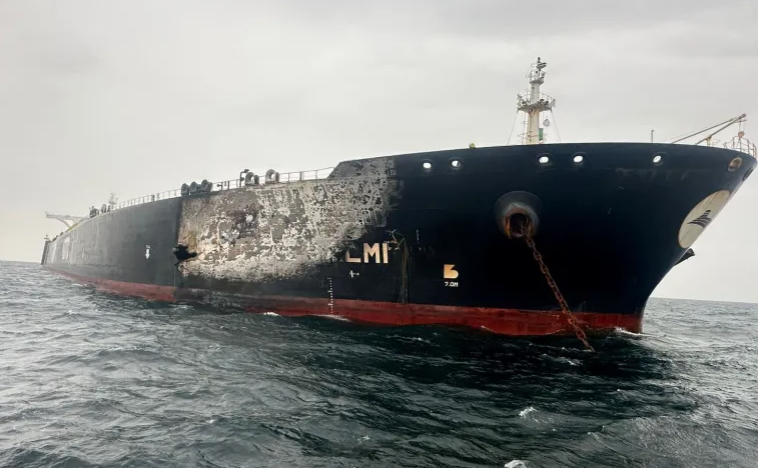
An apparent drone strike attributed to Iran targeted a Kuwaiti crude oil tanker at a port in Dubai, igniting a fire that was later brought under control, authorities confirmed on Tuesday.
The Kuwait Petroleum Corporation (KPC) reported that the tanker Al-Salmi was struck while anchored in the United Arab Emirates, causing structural damage and a fire onboard. The vessel was carrying approximately two million barrels of oil sourced from Kuwait and Saudi Arabia, with its destination listed as Qingdao.
While KPC initially warned of a potential oil spill, authorities in Dubai later confirmed that the fire had been contained and no leakage or casualties were reported.
Eyewitness accounts described a series of loud explosions across Dubai beginning Monday evening and continuing into the early hours of Tuesday. Residents also reported heightened military activity, including fighter jets patrolling the skies amid rising security concerns.
The incident is part of a broader escalation across the Gulf region following the outbreak of conflict involving the United States and Israel against Iran on February 28. Since then, multiple attacks targeting commercial and strategic assets have been reported across key maritime routes, including the Strait of Hormuz.
Earlier on Monday, a Greek-owned container vessel near Saudi Arabia’s Ras Tanura reported projectiles striking waters close to the ship. In a separate incident, a Thai cargo vessel, Mayuree Naree, was disabled after being hit near Oman, with three crew members still reported missing.
Regional tensions escalated further as multiple Gulf countries reported aerial threats overnight. According to officials, Qatar, Kuwait, and Bahrain confirmed missile and drone interceptions.
In the UAE, debris from intercepted projectiles reportedly injured four individuals in Dubai’s residential areas. Meanwhile, Saudi Arabia announced that its air defence systems intercepted 10 drones and eight ballistic missiles targeting key regions, including Riyadh. Minor injuries and property damage were also reported in the al-Kharj province.
Explosions were additionally heard near Erbil, close to the international airport in Iraq’s semi-autonomous Kurdish region.
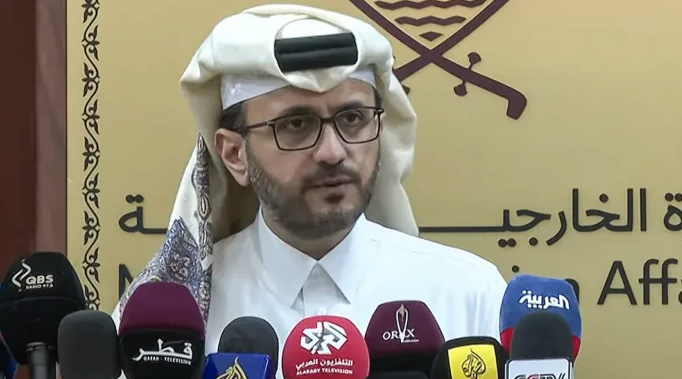
Despite the escalation, Gulf nations have called for restraint. Qatar stated that regional countries remain unified in urging de-escalation and an end to hostilities.
Iran’s Foreign Minister Abbas Araghchi maintained that Tehran’s operations are directed at foreign military forces, particularly those of the United States, and not civilian targets. He reiterated that Iran considers regional countries, including Saudi Arabia, as “brotherly nations.”
The latest developments underscore growing instability in the Gulf, with vital shipping lanes and energy infrastructure increasingly at risk amid the widening conflict.
-
Starmer Confirms UK Will Not Join Iran War, Emphas...
UK PM Keir Starmer vows Britain will stay out of the Iran war, focusing on diplomacy & Eur...

-
North Korean Hackers Breach Popular Software to St...
North Korean-linked hackers compromised the open-source software Axios, aiming to steal lo...

-
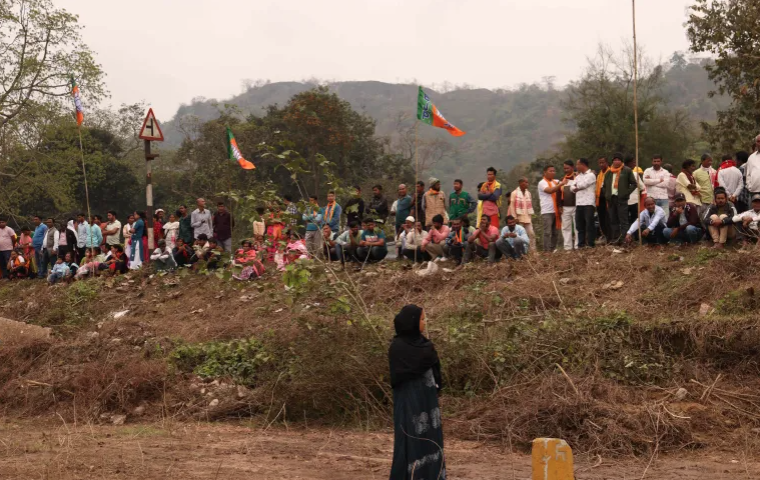
Assam Delimitation Redraws Muslim-Majority Seats, ...
Assam’s 2023 delimitation reshapes electoral boundaries, reducing Muslim-majority seats ...
-
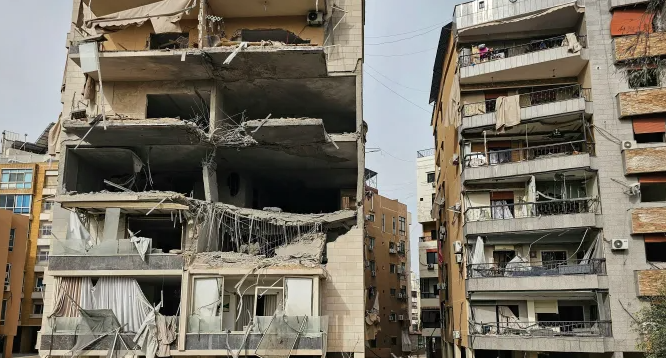
Israeli Airstrikes Kill Multiple in Southern Beiru...
At least 7 killed in Israeli attacks on Beirut’s southern suburbs and nearby towns as He...
-
Qatar Warns Iran Has Crossed “Red Lines,” Call...
Qatar says Iran’s attacks on regional neighbors risk catastrophic fallout; calls for res...