POLITICS & POLICY MAKING
Detailed Report
-
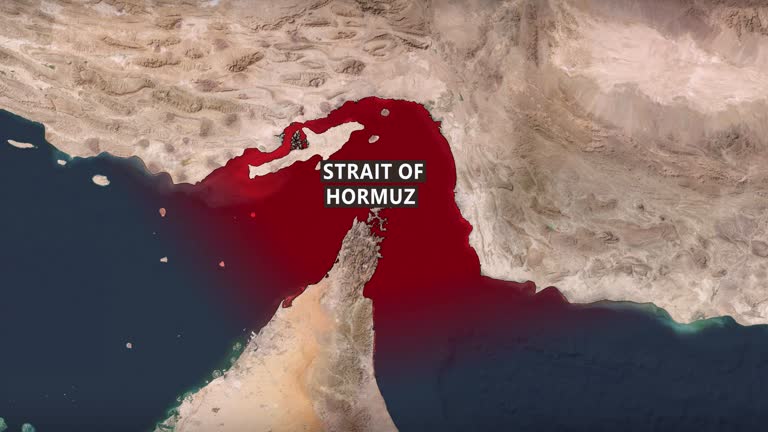
The Blockade Lifted: Satellite tracking data and digital telemetry corroborated by TankerTrackers verified on Wednesday, June 17, 2026, that the first fleet of Iranian crude carriers has formally exited the U.S. Navy's blockade perimeter inside the Strait of Hormuz. At least two National Iranian Tanker Company (NITC) VLCC supertankers—the Diona and Hero2—departed the volatile choke point carrying a combined 3.8 million barrels of crude oil, signaling the first maritime energy exports out of Iran in over two months.
-
Immediate Sanctions Waivers Ahead of Swiss Summit: The naval de-escalation sets the stage for high-stakes face-to-face negotiations commencing this Friday at Switzerland's Burgenstock mountain resort. According to leaked internal parameters, the U.S. government will issue sweeping, immediate sanctions waivers covering oil sales, international banking transactions, cross-border transportation, and maritime insurance networks. The framework text has already been signed electronically by U.S. President Donald Trump, Vice President JD Vance, Iranian Deputy Foreign Minister Majid Takht-Ravanchi, and top negotiator Mohammad Bagher Ghalibaf.
-
Market Reaction and the Lebanon Spoiler: News of the Hormuz reopening sent immediate shockwaves through international energy pits, causing global oil benchmarks to tumble drastically. In Wednesday trading, international benchmark Brent North Sea crude plummeted to $78.74 a barrel, while U.S. West Texas Intermediate (WTI) fell to $75.85 a barrel. However, market optimism remains deeply checked by escalating kinetic actions in South Lebanon. Fresh Israeli airstrikes targeted vehicles in Mayfadoun and Shukeen, killing four individuals and prompting Iran’s central military command to issue an ominous warning to Israel to "await a harsh response." Analysts at the Middle East Institute warn that the active Israel-Hezbollah front represents the primary threat to the Pakistan- and Qatar-mediated diplomatic breakthrough.
U.S.-Iran De-Escalation & Energy Matrix (June 17, 2026)
| Maritime & Conflict Vector | Current Operational Status | Projected 60-Day Negotiation Targets |
| Hormuz Blockade Status | Partially Lifted: 2 NITC supertankers (Diona, Hero2) cleared. | Total commercial stabilization and normal transit tracking. |
| Crude Volume Released | 3.8 Million Barrels currently in transit via initial shipments. | Scale-up of output under immediate international banking waivers. |
| Global Brent Benchmark | Dropped to $78.74 / barrel following supply confirmations. | Subject to volatility based on the progress of the Swiss summit. |
| Signing Venue & Date | Burgenstock Resort, Switzerland; Friday, June 19, 2026. | Launch of multi-track nuclear verification protocols. |
| Nuclear Stumbling Block | Extraction of enriched uranium vs. Iranian enrichment rights. | Deployment of international nuclear inspectors under new mandates. |
| Primary Conflict Threat | Israeli-Hezbollah kinetic operations in South Lebanon. | Risk of regional proxy escalation spilling into a diplomatic veto. |
-
Israeli Settlers Set Fire to Two West Bank Mosques...
Illegal Israeli settlers carried out dawn arson attacks on Wednesday, setting fire to two ...
-
No Clear Skies: Pakistan Extends Total Ban on Indi...
The Pakistan Airports Authority has issued a new NOTAM extending the total ban on Indian c...
-
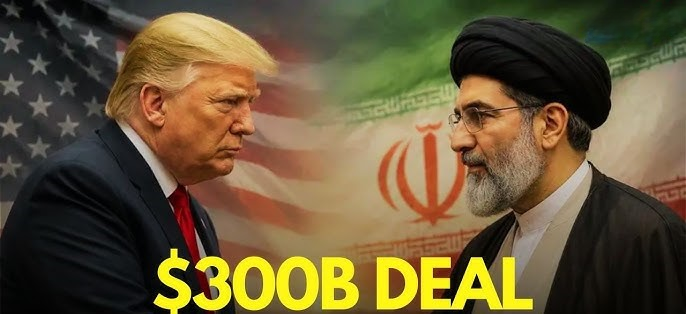
Exclusive: U.S.-Iran Peace Framework Details $300B...
A Reuters exclusive has revealed that the upcoming U.S.-Iran peace framework features a $3...
-
Pentagon Deploys Elon Musk’s Grok AI for Active ...
A U.S. Department of Justice legal brief has revealed that Elon Musk’s "Grok Gov Model" ...
.jpg)
-
‘We Reject PIMS Reports’: Aleema Khan Demands ...
Aleema Khan has categorically rejected PIMS medical reports regarding Imran Khan after he ...