WORLD NEWS
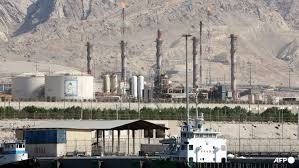
The Pars gas field in Iran, part of the world’s largest shared natural gas reserve with Qatar, was struck on Wednesday in what is reported as the first attack on Iranian energy infrastructure in the Gulf during the ongoing U.S.-Israeli war. Iranian authorities evacuated workers, battled fires, and warned neighbouring countries that their energy installations would be targeted “in the coming hours.”
Israeli media widely reported the strike, with U.S. consent, while Qatar described the attack as “dangerous and irresponsible,” warning of risks to global energy security. Iran’s Revolutionary Guards specifically alerted Saudi Arabia, the UAE, and Qatar to evacuate energy facilities, including the Samref Refinery and Jubail Petrochemical Complex in Saudi Arabia, Al Hosn Gas Field in the UAE, and Mesaieed facilities in Qatar.
This escalation comes three weeks into a war launched by the U.S. and Israel against Iran. Previously, Iranian energy facilities had largely been spared, avoiding retaliation that could further disrupt global energy markets.
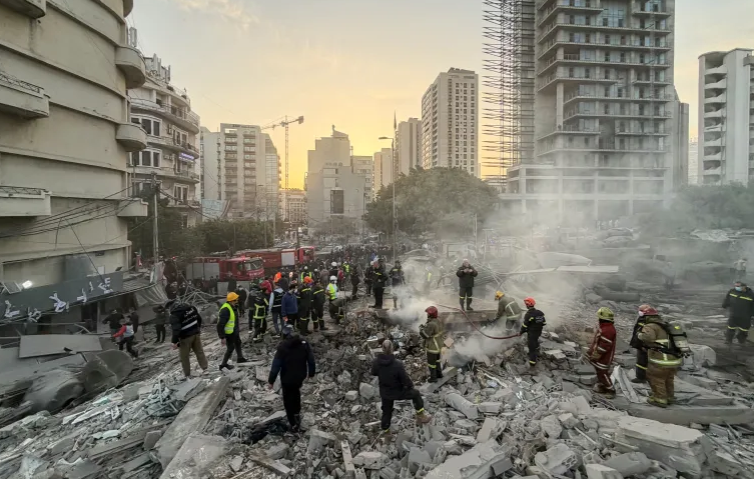
Meanwhile, the Israeli military intensified operations elsewhere. Airstrikes in central Beirut flattened apartment buildings in the Bachoura district, targeting Hezbollah-linked sites. Israel also killed Iran’s intelligence minister, Esmail Khatib, a day after the assassination of security chief Ali Larijani. Israeli officials stated that military targets could now be engaged without additional political approval.
Iran retaliated with missile strikes on Israel, hitting Tel Aviv, Haifa, and Beersheba, as well as U.S. bases in Bahrain, Iraq, Jordan, Kuwait, Saudi Arabia, and the UAE. Civilian casualties have been reported on both sides. Lebanese authorities confirmed at least 10 deaths in Beirut, while Iranian missiles caused injuries in Israeli cities.
The conflict has caused unprecedented disruptions in global energy markets. Diesel prices in the United States surpassed $5 per gallon for the first time since the 2022 inflation surge, increasing political pressure on U.S. leadership.
Humanitarian tolls are rising. Human rights group HRANA estimates over 3,000 people killed in Iran since February 28, while 900 deaths have been reported in Lebanon with 800,000 displaced. Casualties have also occurred across Iraq, the Gulf, and Israel.
As tensions continue to escalate, the region faces a growing humanitarian crisis and severe uncertainty in global energy supplies.
-
Israel Launches Intense Strikes Across Lebanon, Ce...
Deadly Israeli airstrikes hit Beirut and southern Lebanon, killing 20+ and injuring dozens...
-
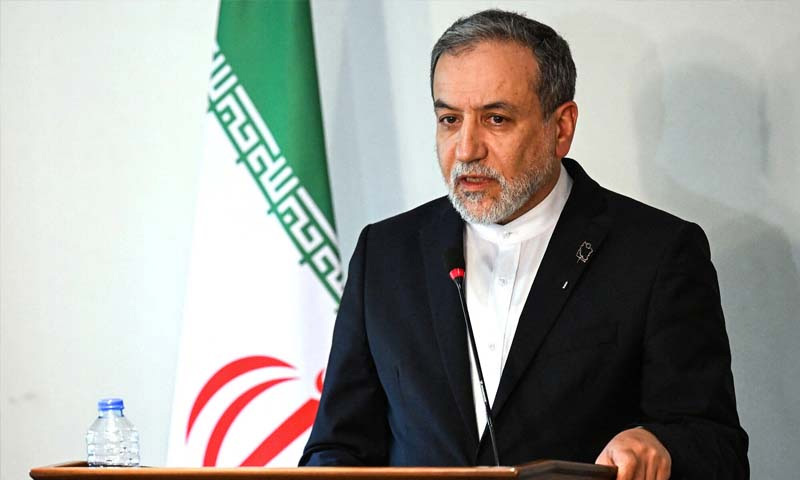
Iran FM: War is Between US-Israel, Not Iran or Ame...
Iranian FM Abbas Araqchi says the conflict is between the US and Israel, not Iran or its c...
-
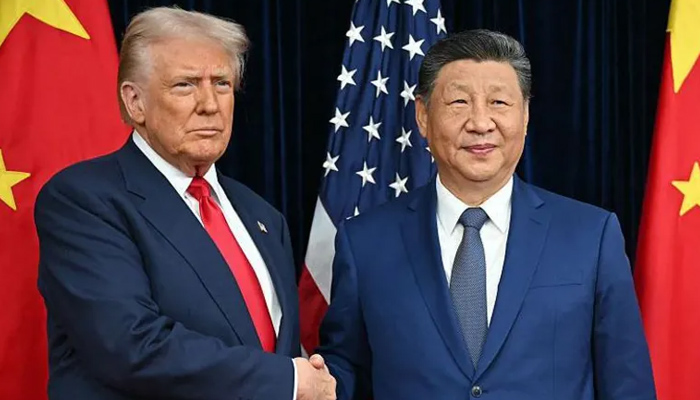
Trump Postpones China Visit Amid Escalating Middle...
US President Donald Trump postpones his China visit (March 31–April 2) due to ongoing Mi...
-
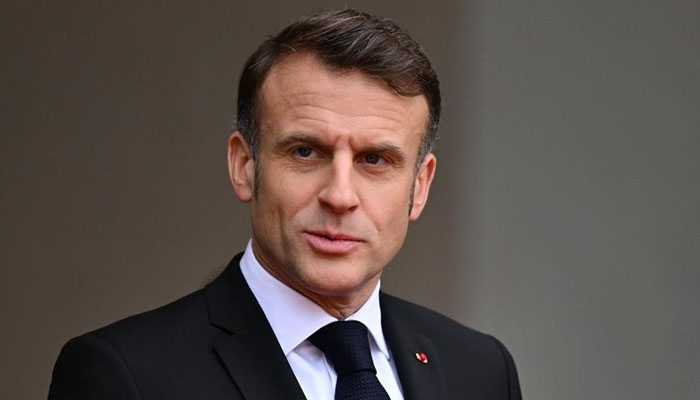
France Declines Participation in Strait of Hormuz ...
French President Emmanuel Macron: “France will not take part in any operation to open th...
-
US Government Labels Anthropic AI a “Supply Chai...
Pentagon warns Anthropic AI poses “unacceptable risk” to military supply chains over c...