POLITICS & POLICY MAKING
.jpg)
Detailed Report
-
The Hypersonic Strike on Bila Tserkva: Russia unleashed an hours-long, massive coordinated bombardment against Kyiv and its surrounding regions on Sunday, deploying a highly destructive Oreshnik hypersonic intermediate-range ballistic missile. President Volodymyr Zelenskiy confirmed that the nuclear-capable weapon—traveling at extreme speeds with a payload that open-source investigators at the Centre for Information Resilience noted split into 36 distinct kinetic submunitions—struck the city of Bila Tserkva, located roughly 40 miles (64 km) outside the capital outskirts. This marks only the third recorded deployment of the experimental Oreshnik system since the start of the four-year war.
-
Massive Casualties and Infrastructure Devastation: The scale of the assault was unprecedented, with the Ukrainian Air Force tracking a staggering payload of 90 missiles and 600 strike drones fired simultaneously. In Kyiv proper, the strike heavily devastated the northern Lukyanivka district, completely gutting a commercial shopping center and a historic public market with uncontrollable flames. Mayor Vitali Klitschko reported that the capital area saw two fatalities and 81 injuries, while two additional citizens were killed in the surrounding province, pushing the total regional casualty toll to four dead and nearly 100 wounded. Over 30 major residential apartment blocks, multiple schools, and critical urban water-supply networks were heavily compromised.
-
Systemic Assault on Ukrainian Identity: Beyond the military and economic targets claimed by the Russian Defence Ministry—which asserted the raids successfully neutralized command nodes, airfields, and defense intelligence installations in retaliation for alleged Ukrainian border strikes—the bombardment dealt a catastrophic blow to Ukraine's historic heart. Heavy kinetic damage and shockwaves battered the National Art Museum, the Philharmonic Hall, and the Cabinet building in central Kyiv. Furthermore, the blast entirely obliterated a newly inaugurated museum dedicated to commemorating the 1986 Chornobyl nuclear disaster. Presidential aide Kyrylo Budanov condemned the destruction, calling it an explicit "war against our culture, memory, and identity."
European Leaders Decry Escalation: The deployment of the Oreshnik missile triggered immediate international fury. European Union Foreign Policy Chief Kaja Kallas slammed the Kremlin for utilizing "political scare-tactics and reckless nuclear brinkmanship," while leadership in London and Berlin formally categorized the introduction of hypersonic intermediate-range platforms near capital zones as a dangerous, volatile escalation of the ongoing conflict.
-
The Defiant Local Response: As explosions rocked the city throughout the night, thousands of terrified local families rushed underground to seek shelter within the reinforced platforms of the Kyiv Metro network. Despite the widespread architectural ruin visible by dawn, a resilient spirit echoed across the capital. At a city-center cafe that had celebrated its grand opening just one day prior on Saturday, shell-shocked staff members spent Sunday morning sweeping shattered glass and rubble from the pavement—obstinately remaining open to serve coffee to supportive local residents who flocked to the venue as a quiet act of civic defiance.
-
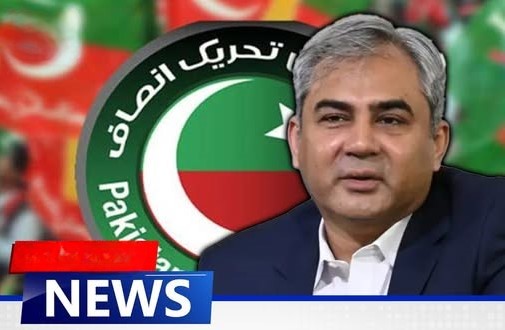
Secret Naqvi-PTI Meeting Triggers Internal Rift Ov...
A low-profile meeting between senior PTI leaders and Interior Minister Mohsin Naqvi has sp...
-
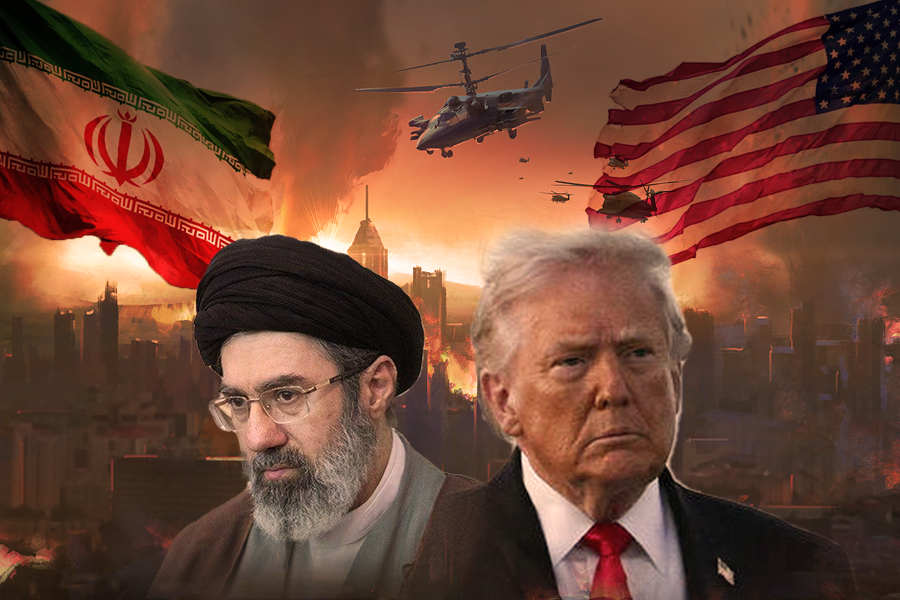
The Final Signature Eludes: President Trump Warns ...
The final signatures on a potential U.S.–Iran peace accord remain elusive as negotiation...
-
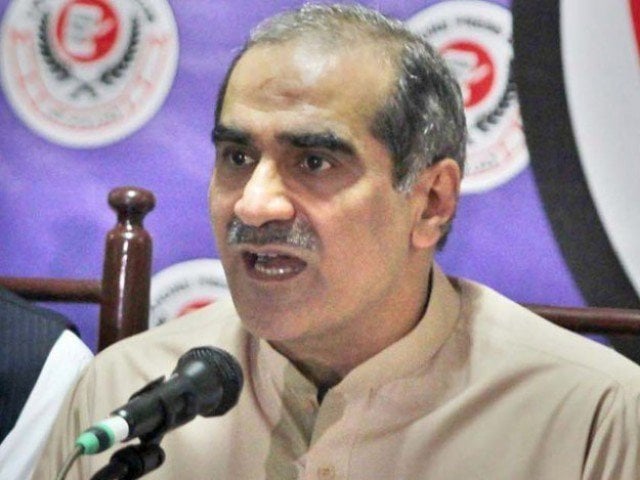
Lower the Political Temperature: PML-N’s Saad Ra...
Senior PML-N leader Khawaja Saad Rafique has called on all political stakeholders, includi...
-
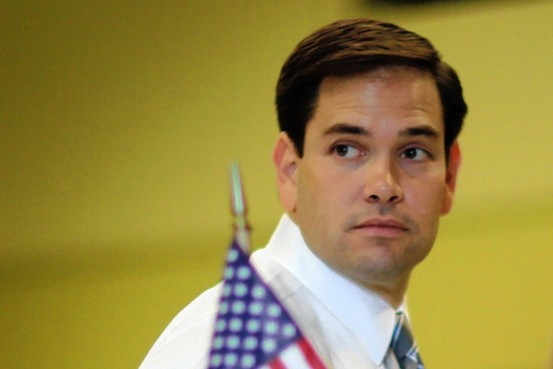
"Maybe Today": Secretary Marco Rubio Signals Immin...
U.S. Secretary of State Marco Rubio announced in New Delhi on Monday that a breakthrough d...
-
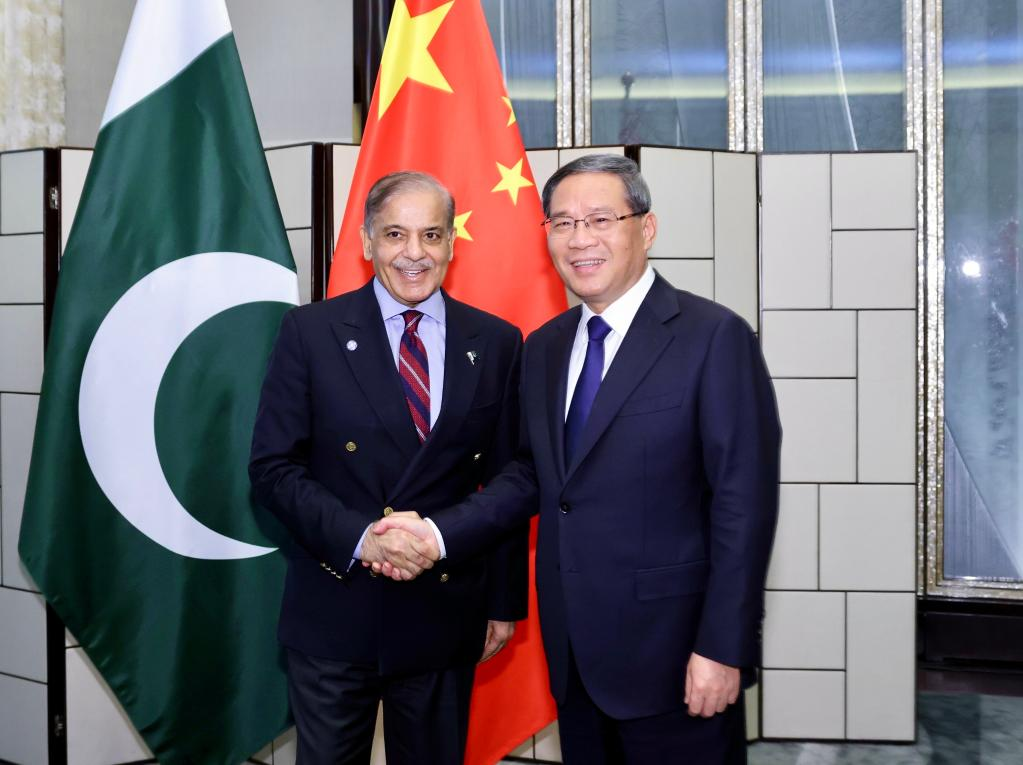
Iron Brother Alliance: PM Shehbaz Meets Chinese Co...
Based on the official text and recent diplomatic coverage of Prime Minister Shehbaz Sharif...