POLITICS & POLICY MAKING
"Maybe Today": Secretary Marco Rubio Signals Imminent U.S.–Iran Deal to End Gulf War and Reopen Hormuz
Detailed Report
-
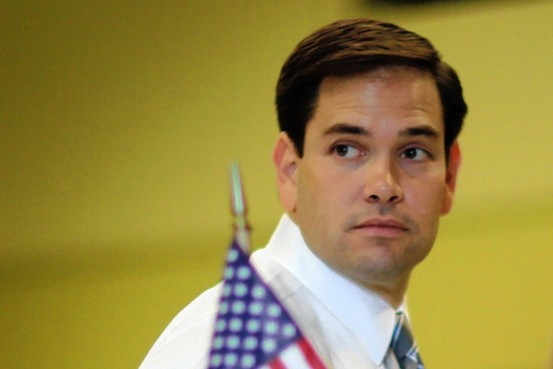
The Optimistic Timeline: Speaking to reporters in New Delhi on Monday during the final leg of an official state visit to India, U.S. Secretary of State Marco Rubio revealed that a monumental diplomatic agreement to end the three-month-old war with Iran could materialize as early as "maybe today." Rubio noted that negotiations had progressed late into the night, adding, "Work is still in progress. We thought we might have some news last night, maybe today... I wouldn't read too much into The delay
- The "Pretty Solid" Framework: According to Western and regional diplomatic channels, the proposed peace draft centers on a initial 60-day ceasefire extension explicitly designed to de-escalate hostilities across all active Middle Eastern fronts, including Israel and Lebanon. Rubio highlighted that a "pretty solid thing" is currently on the table, which requires Iran to completely lift its restrictions, remove naval mines, and allow a completely open flow of trade through the strategic Strait of Hormuz without imposing unilateral shipping tolls. In exchange, the United States would formally suspend its stringent naval blockade on Iranian commercial ports that has been strictly enforced since April 13.
- Nuclear Sticking Points Remain: While the preliminary agreement prioritizes immediate commercial navigation and a cessation of kinetic strikes, deep structural differences persist regarding Tehran's nuclear architecture. Secretary Rubio voiced confidence that the truce would transition into "a very real, significant, time-limited negotiation on the nuclear matter." However, domestic Iranian lawmakers and state media outlets have issued defiant counter-statements, clarifying that the Islamic Republic has not agreed to hand over its highly enriched uranium (HEU) stockpile and maintains that its core sovereign nuclear program remains entirely separate from the immediate ceasefire parameters.
- Trump’s Leverage vs. Market Optimism: The Secretary of State's optimism arrives just hours after U.S. President Donald Trump tempered immediate expectations online, stating he had explicitly instructed American representatives not to "rush" into a flawed agreement because the U.S. maintains maximum leverage via its ongoing naval blockade. Echoing the President, Rubio emphasized that Trump "is not in a hurry, and he's not going to make a bad deal." Despite the cautious rhetoric out of Washington, global financial networks reacted aggressively to the peace talks, with Brent crude oil futures plunging over 4.5% to a two-week low of $98.83 a barrel while Asian equity markets surged on hopes of an end to the devastating conflict.
-
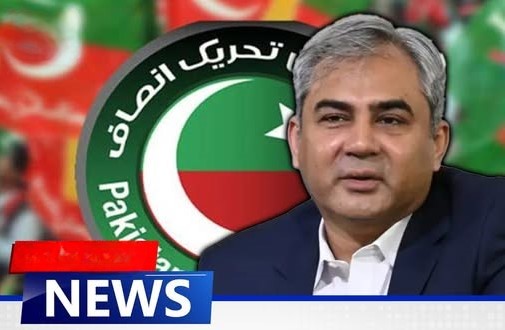
Secret Naqvi-PTI Meeting Triggers Internal Rift Ov...
A low-profile meeting between senior PTI leaders and Interior Minister Mohsin Naqvi has sp...
-
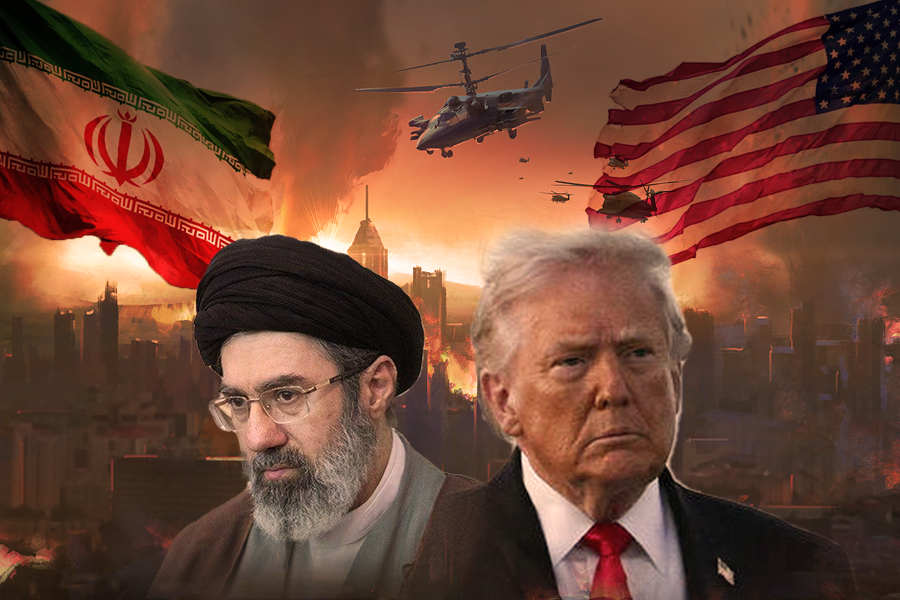
The Final Signature Eludes: President Trump Warns ...
The final signatures on a potential U.S.–Iran peace accord remain elusive as negotiation...
-
Kremlin Escalates with Hypersonic Barrage: Russia ...
Devastation in Kyiv: Smoke blankets the Ukrainian capital after Russia launched a massive ...
.jpg)
-
Lower the Political Temperature: PML-N’s Saad Ra...
Senior PML-N leader Khawaja Saad Rafique has called on all political stakeholders, includi...
-
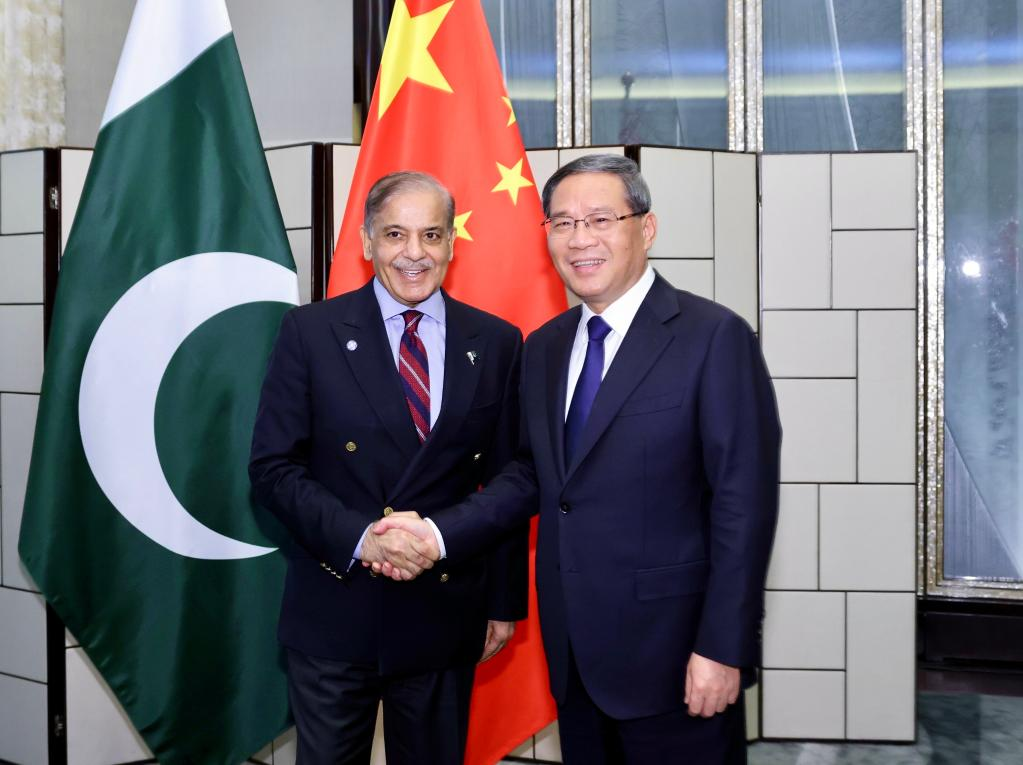
Iron Brother Alliance: PM Shehbaz Meets Chinese Co...
Based on the official text and recent diplomatic coverage of Prime Minister Shehbaz Sharif...