POLITICS & POLICY MAKING
Lower the Political Temperature: PML-N’s Saad Rafique Demands End to Polarization Amid Surging National Crises
DETAILED REPORT:
-
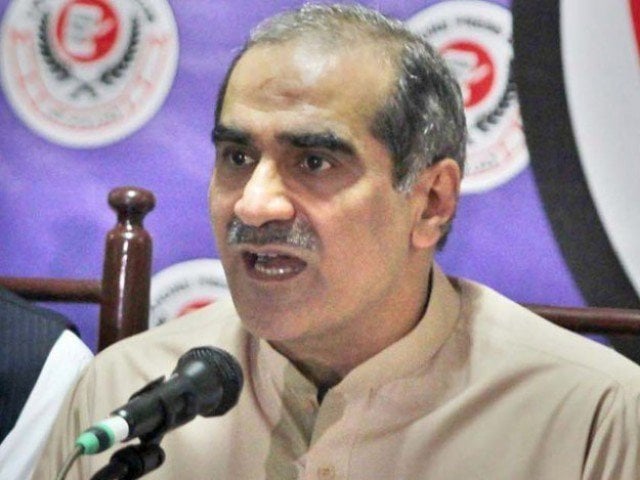
The Call for Strategic Reconciliation: In a sharp departure from ongoing partisan confrontations, senior Pakistan Muslim League-Nawaz (PML-N) leader and former federal minister Khawaja Saad Rafique has issued a passionate appeal to the country's primary political stakeholders, urging them to immediately "bury political hatchets." Addressing a public ceremony in Lahore on Sunday, the veteran politician warned that Pakistan’s escalating societal polarization, crushing financial distress, and volatile security landscape leave no room for endless political warfare. He stressed that daily incidents of violence and terrorism demand a broader national consensus over personal rivalries.
-
A New Charter of Democracy and Economy: To establish a sustainable structural off-ramp, Rafique proposed the immediate drafting of a fresh, unified Charter of Democracy and a parallel Charter of Economy. He argued that the federal administration and the opposition benches must urgently build a baseline consensus on national security parameters and macroeconomic survival rules. "If enemies can be reconciled internationally, then political forces within Pakistan can also hold dialogue," Rafique observed, explicitly noting that the Pakistan Tehreek-e-Insaf (PTI) cannot indefinitely avoid direct negotiations with rival political parties. He insisted that the government should proactively engage all political forces that acknowledge and respect the supremacy of the Constitution.
-
Empowering Grassroots Governance and Provincial Balance: On administrative and governance structures, the former federal minister lobbied hard for permanent constitutional protection for municipal local governments. He argued that the political cycle of repeatedly dissolving local bodies has structurally weakened governance across the country and significantly aggravated provincial grievances. Touching on the hot-button issue of dividing larger administrative territories, Rafique stated he supports smaller provincial units in principle, but explicitly opposed isolated proposals targeting the division of Punjab alone, demanding that all provinces be treated completely equally under any new federal restructuring.
Internal Candor on Party Leadership: Displaying his characteristic internal honesty, Rafique defended party chief Nawaz Sharif’s public silence regarding his past ousters, stating: "People say Nawaz Sharif does not speak. How much more should he speak? He has already paid enough price for it." He dryly added, "Our party people do not speak. I do. That is why I have kept myself free."
-
Reaffirming the Nuclear Legacy: Shifting focus toward regional security and national defense toward the end of his address, the PML-N leader praised Pakistan's historic May 1998 nuclear tests. He paid rich tribute to the armed forces, domestic scientists, and the political leadership of the era for successfully protecting and advancing the nation's strategic nuclear deterrence capabilities despite immense international diplomatic pressure and severe economic difficulties at the time.
-
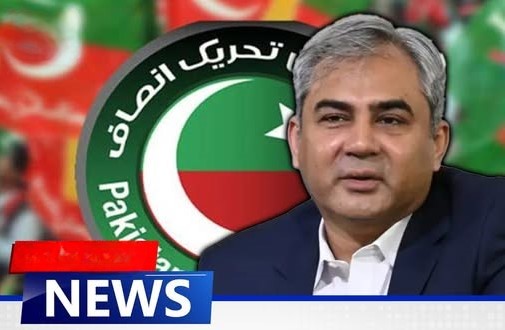
Secret Naqvi-PTI Meeting Triggers Internal Rift Ov...
A low-profile meeting between senior PTI leaders and Interior Minister Mohsin Naqvi has sp...
-
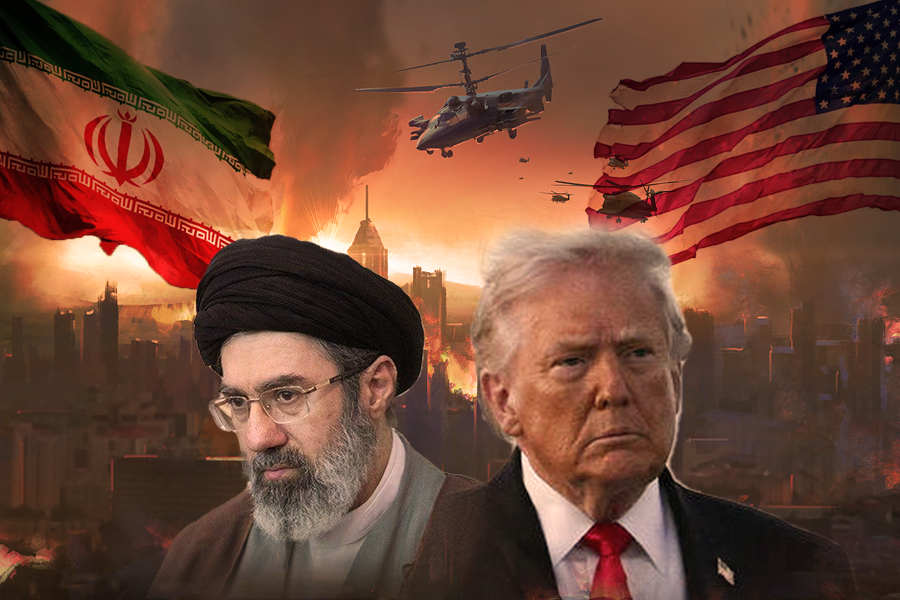
The Final Signature Eludes: President Trump Warns ...
The final signatures on a potential U.S.–Iran peace accord remain elusive as negotiation...
-
Kremlin Escalates with Hypersonic Barrage: Russia ...
Devastation in Kyiv: Smoke blankets the Ukrainian capital after Russia launched a massive ...
.jpg)
-
"Maybe Today": Secretary Marco Rubio Signals Immin...
U.S. Secretary of State Marco Rubio announced in New Delhi on Monday that a breakthrough d...
-
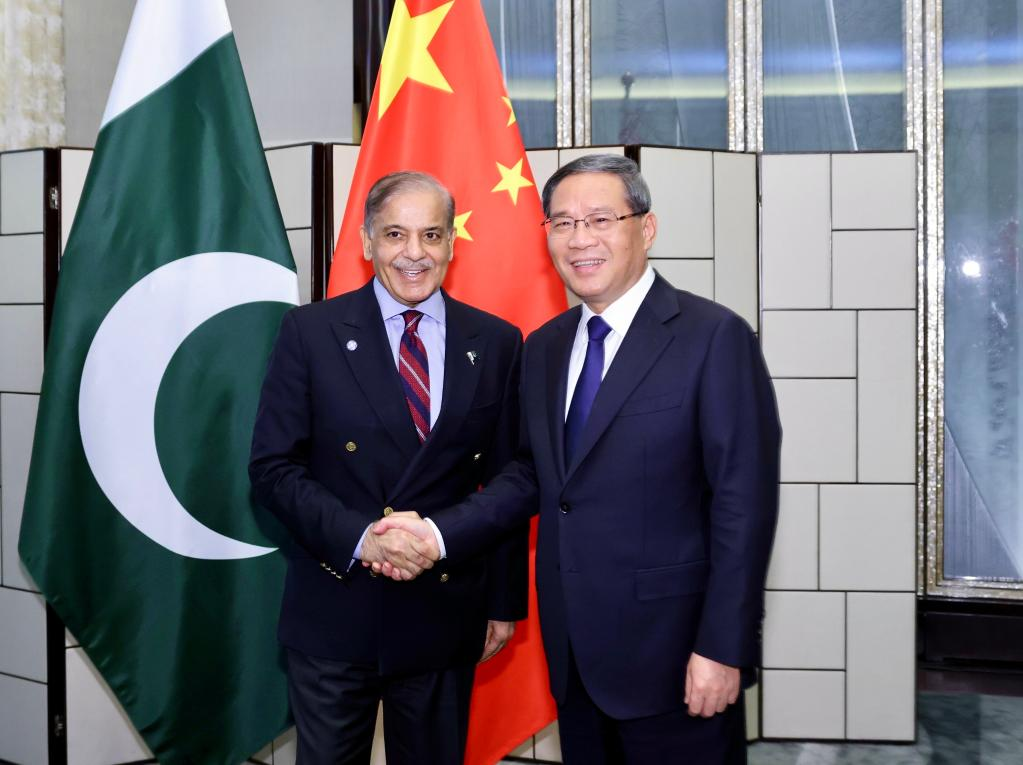
Iron Brother Alliance: PM Shehbaz Meets Chinese Co...
Based on the official text and recent diplomatic coverage of Prime Minister Shehbaz Sharif...