WORLD NEWS
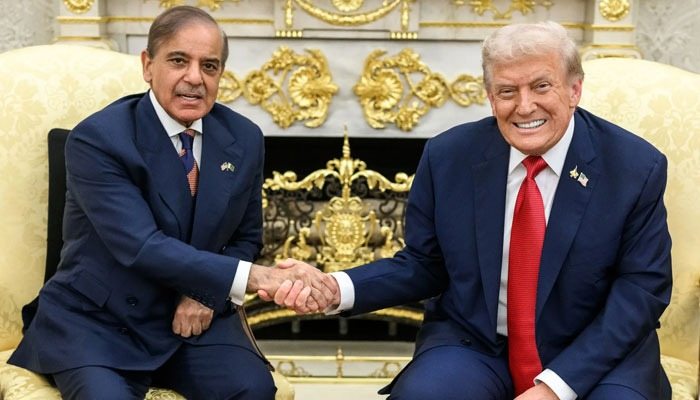
Pakistan has formally accepted an invitation to join the proposed ‘Board of Peace’, an international initiative aimed at achieving a lasting ceasefire and sustainable peace in Gaza, the Foreign Office confirmed on Wednesday.
According to the Foreign Office spokesperson, US President Donald Trump extended the invitation to Prime Minister Shehbaz Sharif, requesting Pakistan’s participation in the newly established peace platform.
The spokesperson said that Pakistan has expressed its support for the Gaza Peace Plan under United Nations Security Council Resolution 2803, emphasizing that the core objective of the Board of Peace is to take practical and effective measures to secure a permanent ceasefire in Gaza.
Pakistan has also stressed the urgent need to scale up humanitarian assistance for the Palestinian people, who continue to face severe humanitarian challenges due to ongoing conflict and blockade.
Reiterating Islamabad’s long-standing stance, the spokesperson said Pakistan firmly supports the right of the Palestinian people to self-determination and advocates the establishment of an independent, sovereign Palestinian state.
“Pakistan’s position remains clear and principled: a Palestinian state must be established on pre-1967 borders with Jerusalem as its capital,” the spokesperson stated.
The Foreign Office added that Pakistan will continue to play a constructive and proactive role in efforts to alleviate the suffering of the Palestinian people, expressing optimism that the Board of Peace could help translate diplomatic commitments into tangible progress for peace.
Meanwhile, according to a foreign news agency, the United States is urging several world leaders to become members of the board, which is reportedly headed by President Trump. The report claims that a fee of one billion dollars has been set for countries seeking a permanent seat on the board.
Although the board was initially presented as a mechanism to oversee the rehabilitation of Gaza, the news agency reported that its charter does not restrict its mandate solely to Gaza-related matters.
Documents cited by the agency suggest that the institution may, over time, attempt to expand its role globally, potentially positioning itself as an alternative or rival to the United Nations in certain areas of international conflict resolution.
The development has sparked debate among diplomatic observers regarding the future scope, authority and geopolitical implications of the proposed Board of Peace.
-
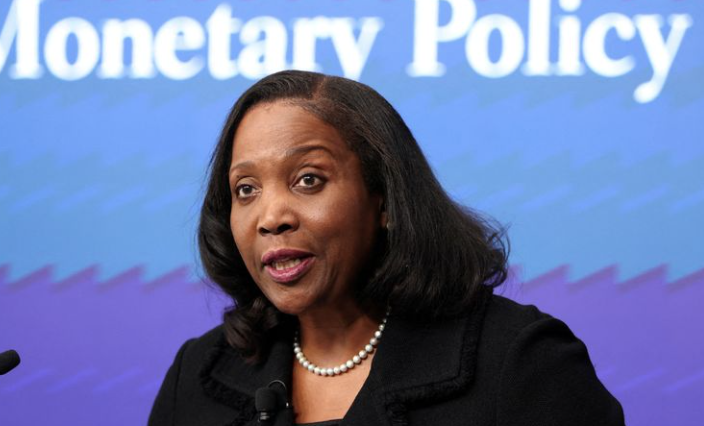
Supreme Court Considers Trump’s Bid to Fire Fed ...
Historic case before US Supreme Court: Trump seeks to fire Fed Governor Lisa Cook, testing...
-
Meta’s New AI Lab Delivers First High-Profile Mo...
Meta’s AI lab rolls out first internal models, promising advances in text, image & video...

-
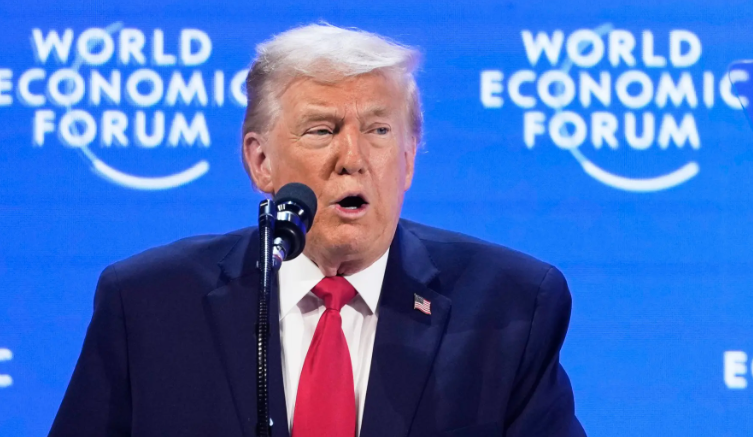
Trump Rules Out Force in Greenland Bid, Calls US O...
Trump says the US doesn’t need force to acquire Greenland, claims no other nation can se...
-
US-Russia Envoys Hold Davos Talks as Ukraine Recon...
US and Russian envoys meet at WEF Davos amid Greenland tensions, delaying Ukraine’s $800...
-
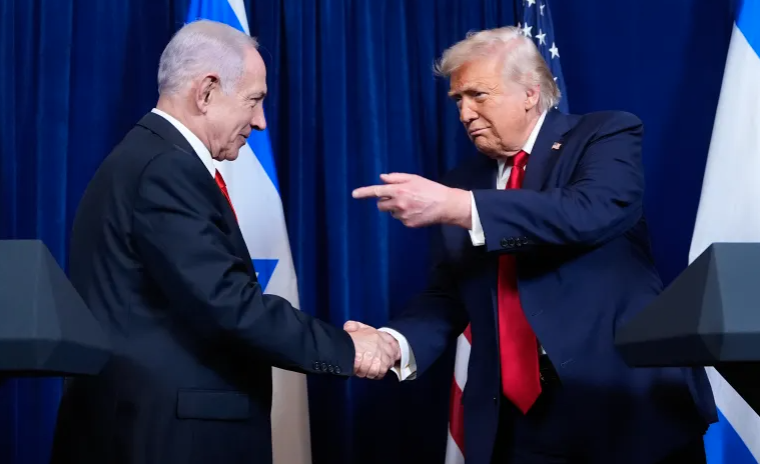
Netanyahu Accepts Trump’s ‘Board of Peace’ I...
Israeli PM Netanyahu joins Trump’s “Board of Peace” for Gaza reconstruction, sparkin...