TRADE & ECONOMY
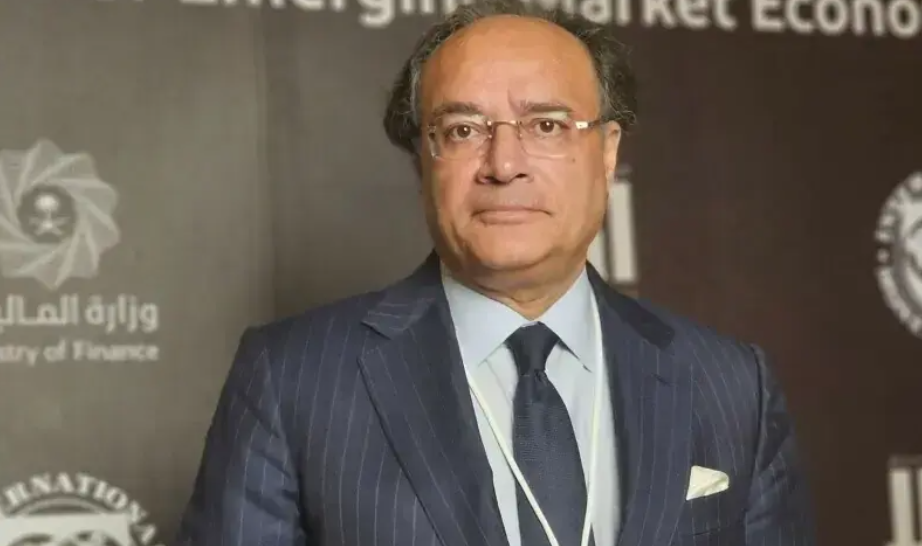
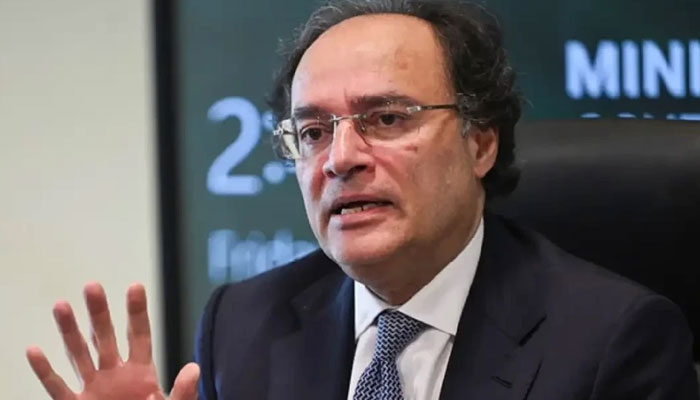
Pakistan is strategically shifting its economic focus from aid dependency to trade- and investment-led engagement, particularly with Gulf Cooperation Council (GCC) countries, said Finance Minister Muhammad Aurangzeb in an interview with CNN Business Arabia.
Aurangzeb highlighted the vision of Prime Minister Shehbaz Sharif, noting that Pakistan’s renewed economic confidence and reform momentum have produced tangible results over the past 18 months. He said inflation has been brought down from a historic 38% to single-digit levels, while fiscal and current account indicators show marked improvement.
The finance minister pointed to key achievements, including primary fiscal surpluses, stabilised exchange rates, and foreign exchange reserves now covering approximately 2.5 months of imports. He also noted Pakistan’s external validations, with all three international credit rating agencies upgrading the country’s ratings this year, and the successful completion of the IMF Extended Fund Facility’s second review.
Aurangzeb emphasised that macroeconomic stabilisation has been driven by a coordinated approach combining disciplined fiscal and monetary policies with structural reforms. Areas of focus include taxation, energy, state-owned enterprises, public financial management, and privatisation. He also highlighted progress in tax collection, which rose to 10.3% of GDP last year, with a target of 11%.
The finance minister underscored reforms to widen the tax base by including previously undertaxed sectors like real estate, agriculture, and trade, while reducing leakages through AI-enabled production monitoring and improved tax administration. Governance reforms in the power sector aim to reduce circular debt, rationalise tariffs, and make energy more competitive to spur industrial growth.
Aurangzeb also lauded longstanding support from GCC countries, including Saudi Arabia, UAE, and Qatar, noting their pivotal role in financing and cooperation with international financial institutions. He stressed that Pakistan’s engagement with GCC partners is evolving toward trade expansion and investment flows. Remittances, particularly from GCC countries, reached about $38 billion last year and are projected to rise to $41–42 billion this year.
Pakistan is actively courting investments in priority sectors such as energy, oil and gas, minerals, AI, digital infrastructure, pharmaceuticals, and agriculture. Aurangzeb stated that Free Trade Agreement (FTA) negotiations with GCC countries are at an advanced stage.
“Pakistan’s future lies in fostering trade and investment partnerships rather than reliance on aid,” he said, stressing the role of foreign direct investment in boosting GDP growth, creating jobs, and generating mutual economic benefits.
Aurangzeb concluded that the government is fully mobilised to turn this vision into reality, reflecting Pakistan’s commitment to sustainable and strategic economic growth.
-
State Bank of Pakistan Reduces Interest Rate by 50...
State Bank of Pakistan slashes interest rate by 50bps, bringing it down to 10.5% amid econ...
-
SBP to Mandate Biometric and Facial Verification f...
State Bank of Pakistan mandates that from Jan 1, 2025, all citizens buying or selling fore...
-
Assets of Civil Servants, Lawmakers to Go Public b...
Finance Minister Muhammad Aurangzeb says assets of civil servants and parliamentarians wil...
-
US $686m Defence Package to Upgrade Pakistan’s F...
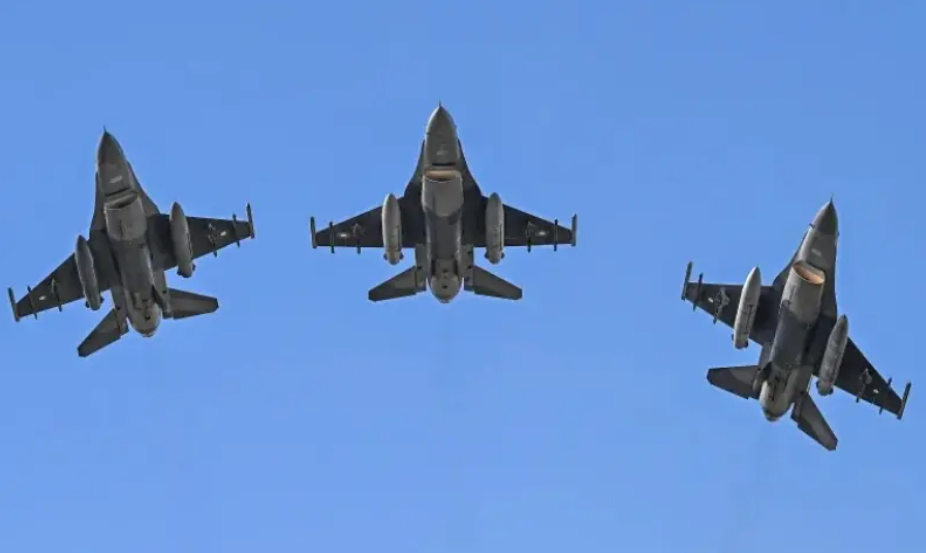
The US has approved a $686m defence package to modernise Pakistan’s F-16 fighter jets, e...
-
IMF Tax Demand Poses Risk to Pakistan’s Refinery...
Pakistan’s refinery upgrade project faces hurdles as IMF demands 18% tax on petroleum im...