POLITICS & POLICY MAKING
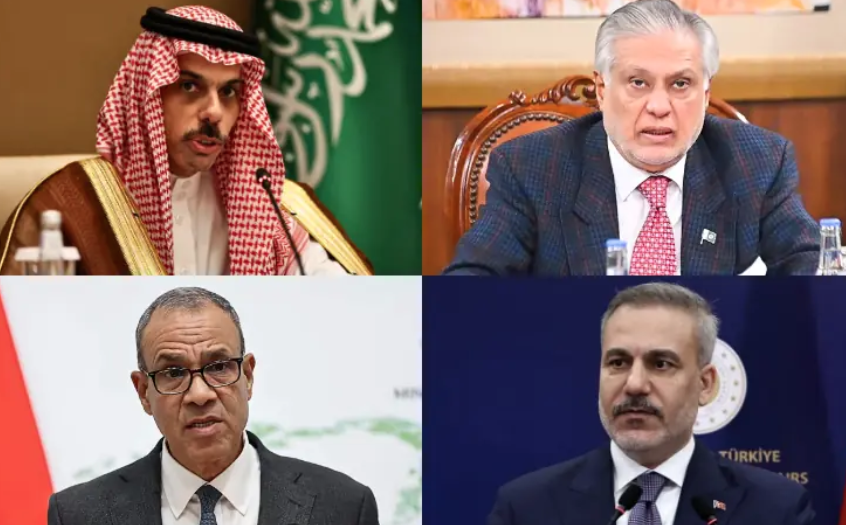
Pakistan is set to host a high-level diplomatic meeting as the foreign ministers of Saudi Arabia, Turkey, and Egypt arrive in Islamabad from March 29 to 30 for crucial discussions aimed at easing rising regional tensions.
According to Pakistan’s Foreign Office, the visit comes at the invitation of Deputy Prime Minister and Foreign Minister Ishaq Dar. The visiting dignitaries include Prince Faisal bin Farhan Al Saud, Hakan Fidan, and Badr Abdelatty.
The talks will focus on a wide range of regional and international issues, particularly efforts to de-escalate tensions stemming from the ongoing conflict involving the United States and Israel and its implications for Iran.
The Foreign Office highlighted that the visiting ministers will also call on Prime Minister Shehbaz Sharif during their stay, emphasizing Pakistan’s commitment to strengthening ties with what it described as “brotherly countries.”
Originally scheduled to take place in Turkey, the meeting was shifted to Islamabad, reflecting Pakistan’s increasing prominence in ongoing diplomatic efforts, particularly its role in facilitating dialogue between the United States and Iran.
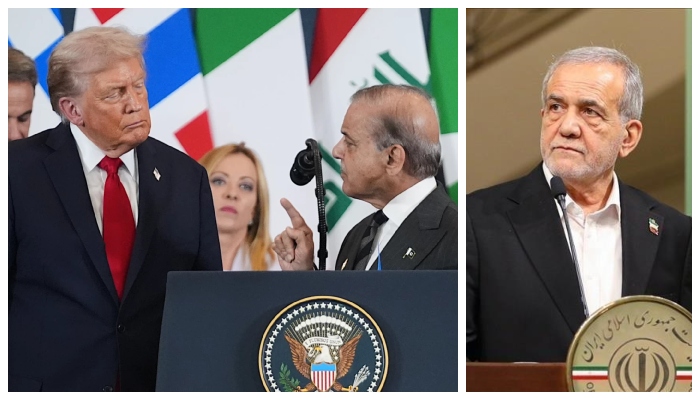
The move has fueled speculation that Islamabad could soon host direct or indirect talks between Washington and Tehran. Earlier this week, Prime Minister Shehbaz Sharif formally предложed Pakistan as a potential venue for negotiations, subject to agreement by both sides.
Pakistan’s involvement in the evolving diplomatic landscape has intensified in recent weeks. The four-country coordination mechanism was formed on March 19 on the sidelines of a broader meeting of Arab and Muslim nations held in Riyadh.
Following that gathering, diplomatic channels expanded, with Egyptian intermediaries initiating contact with Iran’s Islamic Revolutionary Guard Corps (IRGC), while Pakistan assumed a central role in facilitating communication.
Maintaining this proactive approach, Ishaq Dar has held multiple high-level engagements, including phone calls with his Turkish and Egyptian counterparts to discuss the regional situation and emphasize the importance of dialogue.
He also spoke with António Guterres, who expressed full support for Pakistan’s diplomatic efforts aimed at promoting peace and stability.
Meanwhile, China has also backed Pakistan’s role in the process. During a recent conversation, Chinese Foreign Minister Wang Yi reportedly endorsed Islamabad’s mediation efforts and encouraged Iran to engage in negotiations.
Support has also come from the Gulf region. In a phone call with Prime Minister Shehbaz Sharif, Sheikh Sabah Al Khaled Al Hamad Al Sabah expressed full backing for Pakistan’s role in facilitating dialogue.
According to officials, Pakistan is currently acting as a communication bridge between Washington and Tehran, relaying messages as part of ongoing indirect negotiations. Ishaq Dar confirmed that a 15-point proposal from the United States has been conveyed to Iran and is under consideration.
Reports from Iranian media suggest that Tehran has outlined conditions for ending the conflict, indicating that diplomatic engagement is actively underway.
With Islamabad now at the center of these high-stakes discussions, the upcoming visit of regional foreign ministers is expected to play a pivotal role in shaping efforts toward de-escalation and potential negotiations in the coming days.
-
Iran Allows Two Pakistani Ships to Transit Strait ...
Two Pakistani ships, including P Aliki carrying 85M liters of crude, safely pass the Strai...
-
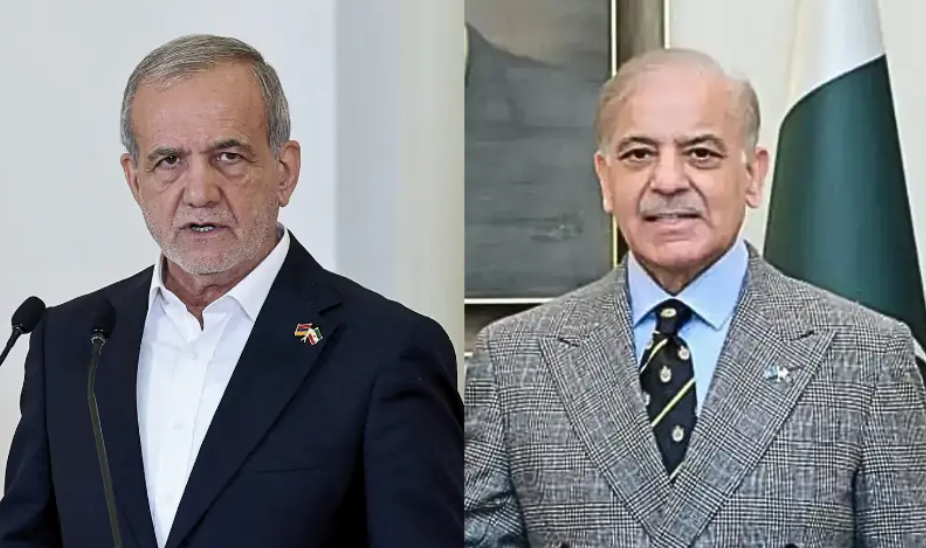
PM Shehbaz, Iranian President Discuss Peace Effort...
PM Shehbaz Sharif briefs Iran’s president on Pakistan’s mediation efforts between US a...
-
Iran submits formal response to US 15-point ceasef...
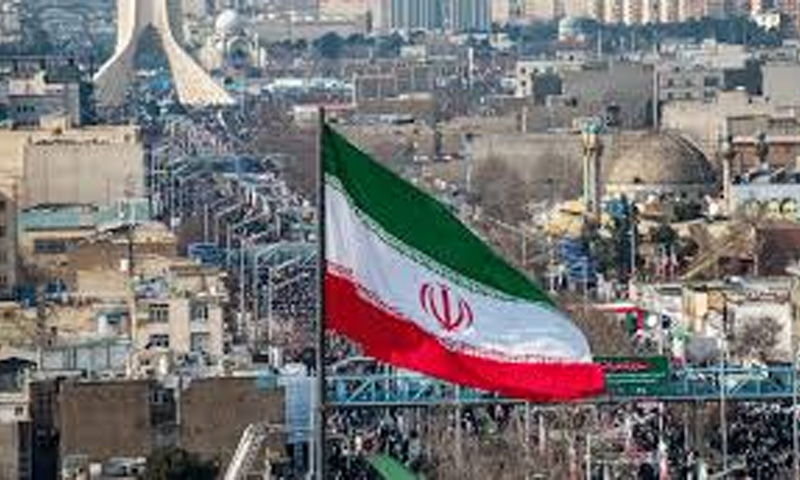
Iran has formally responded to the 15-point US ceasefire proposals, sent through Pakistan,...
-
Sindh govt to introduce watermarking system, e-mar...
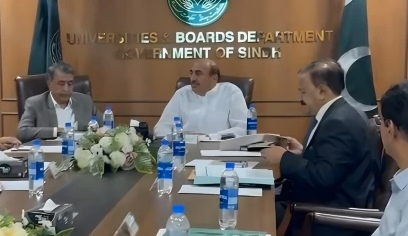
Sindh Minister Muhammad Ismail Rahoo announces watermarking, e-marking & strict measures t...
-
US media highlights Pakistan’s active role in fa...
US report says PM Shahbaz Sharif, FM Ishaq Dar, and Field Marshal Asim Munir actively medi...