POLITICS & POLICY MAKING
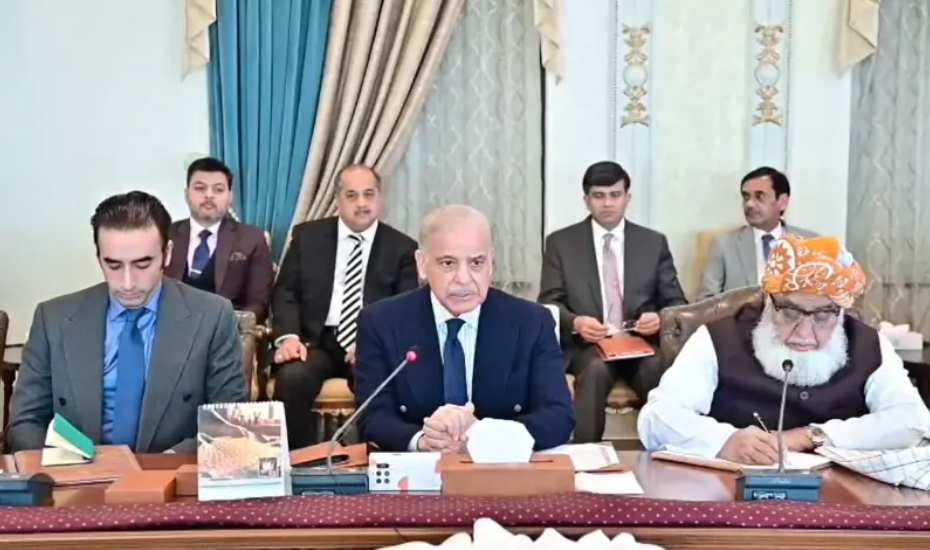
Prime Minister Shehbaz Sharif on Wednesday led an in-camera briefing of parliamentary leaders to discuss the evolving regional situation, including the Iran conflict, Pakistan-Afghanistan tensions, and the ongoing anti-terror operation dubbed ‘Operation Ghazab lil-Haq’.
The high-level meeting, held at the Prime Minister House, began shortly after 11:30am and lasted more than two hours. According to a statement issued by the Prime Minister’s Office (PMO), participants were briefed on the Pakistan-Afghanistan situation, hostilities involving Iran in the Middle East and Gulf region, and Pakistan’s diplomatic efforts to manage the crisis.
The statement noted that leaders from various political parties freely expressed their views and underscored the need for national unity, consensus, and unanimity in the current circumstances. Participants also reiterated their commitment to eradicating terrorism from the country and appreciated the prime minister’s initiative to take the political leadership into confidence.
Prominent attendees included Bilawal Bhutto Zardari, chief of Jamiat Ulema-e-Islam (F) Maulana Fazlur Rehman, Senate Chairman Yousaf Raza Gilani, and National Assembly Speaker Sardar Ayaz Sadiq, along with senior cabinet members including Deputy Prime Minister and Foreign Minister Ishaq Dar.
However, the opposition party Pakistan Tehreek-e-Insaf (PTI) declined to attend the briefing, insisting that a meeting with its founder Imran Khan be arranged first.
Diplomatic Push to End Iran War
Speaking after the meeting, PM’s Adviser on Political Affairs Rana Sanaullah said Pakistan was actively working on the diplomatic front to help bring the Iran conflict to an end through an agreement or understanding.
He revealed that political and military leadership were in communication with regional stakeholders and attempting to prevent further escalation, particularly discouraging retaliatory attacks on Gulf countries.
Sanaullah stated that Pakistan was engaged in facilitating communication between regional players and seeking clarity regarding Iran’s concerns over Gulf territories potentially being used for strikes against it. He suggested that if Gulf nations support de-escalation efforts, the chances of ending hostilities would increase.
While affirming that Iran has the right to respond to aggression, he stressed the importance of preventing the conflict from widening in a way that could weaken Muslim countries collectively.
Operation Ghazab lil-Haq Nearing Objectives
The in-camera session also reviewed progress on Operation Ghazab lil-Haq, launched against terrorist hideouts along the Pakistan-Afghanistan border.
Sanaullah said Pakistan’s strategic goals under the operation had “almost been achieved” and were now being consolidated. He reiterated Islamabad’s longstanding demand that Afghan soil must not be used for terrorism against Pakistan.
Calling for a buffer zone along the border, possibly jointly monitored by both countries or friendly nations, he noted that continued militant activity had necessitated action against training centres and border posts allegedly facilitating cross-border attacks.
He emphasised that Pakistan had no intention of confrontation if Afghan authorities ensured their territory was not used against Pakistan, adding that the country remained committed to supporting Afghan refugees as it had for decades.
PTI Boycott Draws Disappointment
Rana Sanaullah expressed disappointment over PTI’s decision to boycott the national security briefing, terming it an “attitude of isolation.” He revealed that government representatives had personally invited opposition leaders, urging them to contribute to the national dialogue amid external and internal security challenges.
While acknowledging that political differences persist, he suggested that participation in national matters could have opened avenues for broader engagement.
The government has indicated that consultations will continue as Pakistan navigates a complex regional landscape marked by heightened tensions in the Middle East and ongoing security challenges along its western border.
-
By-Election Schedule Issued for 45 Vacant Seats Ac...
By-elections for 45 vacant seats across Sindh to be held on May 17, says Election Commissi...
-
Pakistan, Afghanistan, China Hold Talks in Urumqi ...
Pakistan, Afghanistan and China meet in Urumqi after weeks of tensions, discussing securit...
-
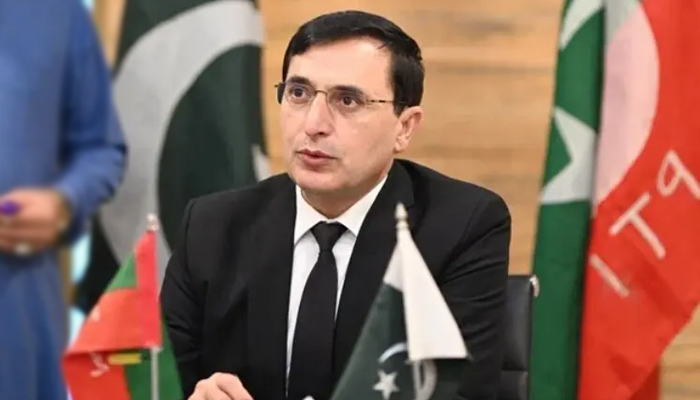
PTI Chairman Gohar Reaffirms ‘Pakistan First’ ...
PTI Chairman Barrister Gohar says Pakistan comes first, defends founder’s children, and ...
-
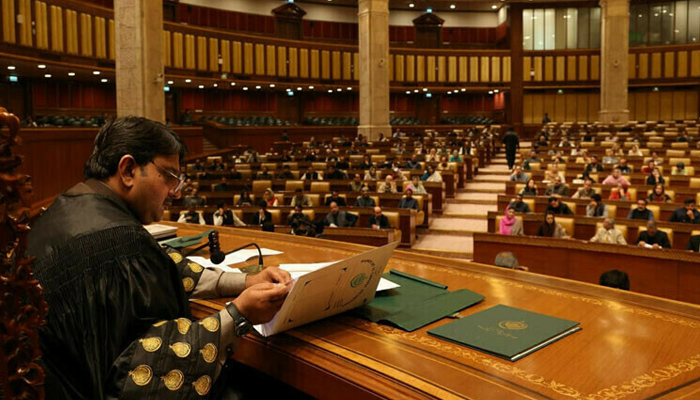
Punjab Assembly Receives Bill to Criminalize Force...
Punjab assembly introduces bill to protect minority rights, proposing 5-year jail and fine...
-
Torkham Border Reopens for Repatriation of Undocum...
Torkham border in Khyber reopens today for repatriation of undocumented Afghans; first bat...