LEGAL
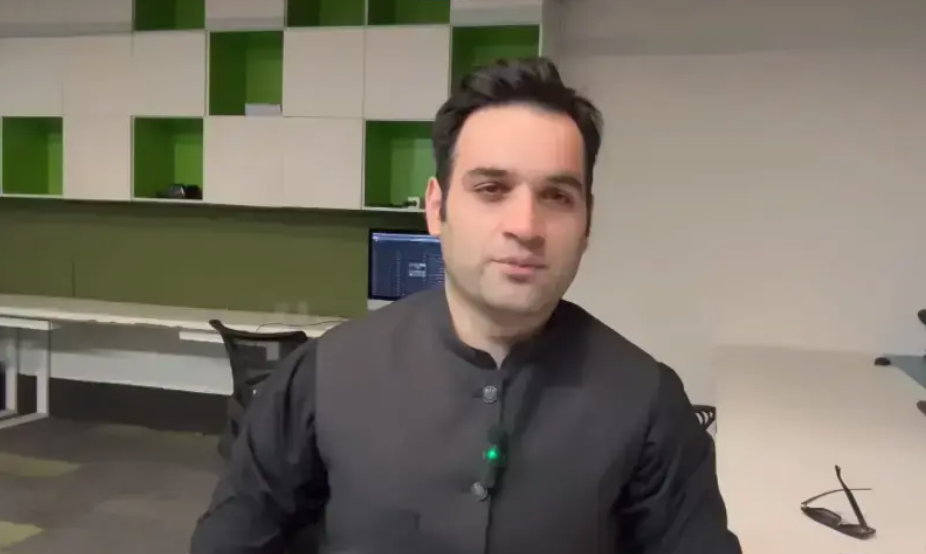
The Supreme Court of Pakistan on Wednesday granted post-arrest bail to journalist Sohrab Barkat in a high-profile case registered under the Prevention of Electronic Crimes Act (PECA). Barkat was released against surety bonds worth Rs200,000.
The case was filed over allegations that Barkat spread misinformation about state institutions during an interview he conducted. He had been imprisoned at Kot Lakhpat Jail and previously denied bail by the Lahore High Court on January 21.
Court Proceedings
A two-member bench, headed by Justice Naeem Akhtar Afghan and including Justice Miangul Hassan Aurangzeb, heard the bail petition, moved by Advocate Saad Rasool on Barkat’s behalf.
During the hearing, Deputy Attorney General Raja Muhammad Shafqat Abbasi highlighted that the charges could carry up to 10 years’ imprisonment. Justice Afghan, however, pointed out that even individuals facing charges under Section 302 of the Pakistan Penal Code — punishable by death — are sometimes granted bail.
The court also noted an apparent selective application of PECA, questioning why criticism of a particular institution led to charges, while derogatory remarks against the judiciary were not prosecuted.
Justice Afghan clarified that granting bail does not acquit Barkat and that the government retains the right to proceed with the trial.
Legal Arguments
Barkat’s counsel argued that:
- The interviewee, PTI activist Sanam Javed, had not been included in the investigation.
- Barkat did not have access to the challan and no formal charge sheet had been filed.
- The FIR against him was never disclosed by the National Cyber Crime Investigation Agency/FIA, suggesting mala fide intent.
- Barkat could not be held liable for the interviewee’s views.
- Claims that he owned the website siasat.pk, where the interview was uploaded, were incorrect.
- The LHC’s previous refusal to grant bail was legally unsustainable and amounted to pre-trial punishment.
Case Background
The case originated from a complaint filed by the NCCIA, alleging that Barkat’s interview with Sanam Javed contained “derogatory remarks against state institutions” and diminished public trust in state functionaries.
Human rights and press freedom advocates have criticized the case as part of a broader pattern of harassment against journalists reporting on politically sensitive issues in Pakistan.
-
Russia Offers Support to Resolve Middle East Confl...
Russia steps in diplomatically as President Vladimir Putin contacts regional leaders, offe...
-
Trump Says Iran Rejected Deal Efforts, Warns of Po...
US President Donald Trump says Iran rejected all deal attempts, warns of monitoring key ta...
-
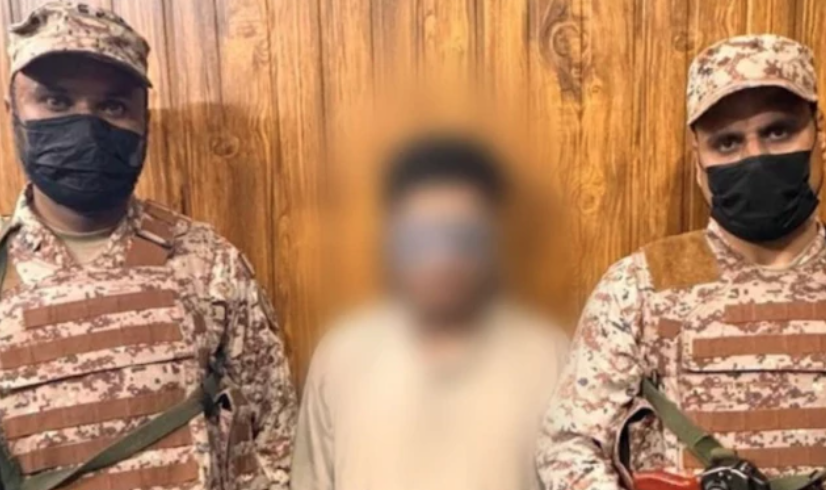
Suspect Arrested in Lyari Extortion Case by Sindh ...
Sindh Rangers, in a joint operation with police, arrest Nasir alias Nana from Lyari for ex...
-
Lahore Court Orders Meesha Shafi to Pay Rs5m Damag...
A Lahore court orders Meesha Shafi to pay Rs5 million in damages to Ali Zafar in a defamat...

-
IHC Adjourns Imran Khan, Bushra Bibi Sentence Susp...
Islamabad High Court delays hearing on Imran Khan and Bushra Bibi’s sentence suspension ...