POLITICS & POLICY MAKING
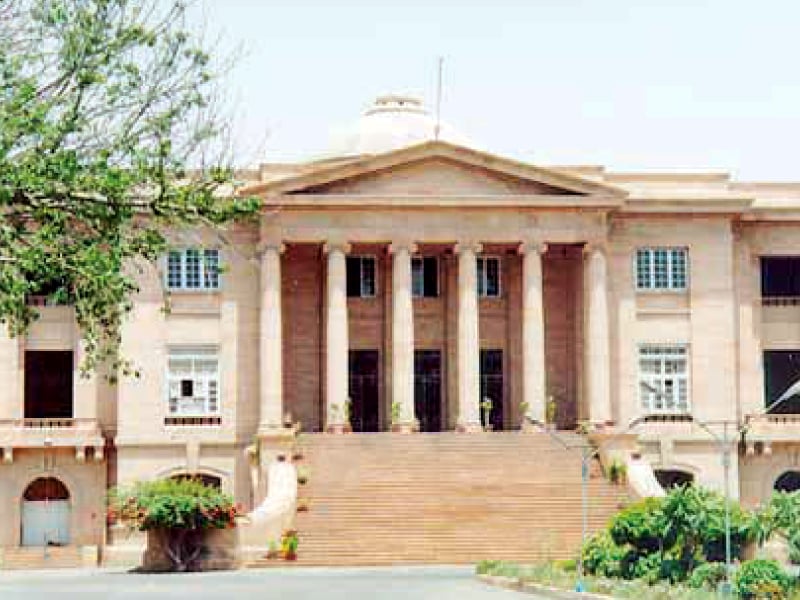
Division bench of the Sindh High Court (SHC) expressed dismay over the contamination of independent institutions like the Sindh Public Service Commission (SPSC) for political motives. The observation came in a 22-page verdict delivered on Wednesday at the Hyderabad circuit bench of the SHC, highlighting concerns raised during hearings of petitions challenging the SPSC's interview process for various public office positions.
Justice Amjad Ali Sahito, part of the division bench led by Justice Salahuddin Abbasi, lamented the neglect of merit in candidate selection for public offices and criticized the lack of transparency in the SPSC's procedures.
The petitioners, represented by Advocates Sajjad Chandio and Arshad Pathan, had raised objections after being rejected in the interview process, alleging bias and political influence in candidate selection. Some successful candidates also intervened in the proceedings.
In response, the bench directed the SPSC chairman to initiate an investigation into serious allegations against commission member Rizwan Memon. A committee is to be formed to investigate the accusations, with a detailed report to be submitted to the court within two months.
Furthermore, the bench issued directives aimed at ensuring transparency and fairness in future SPSC interviews. It ordered that audio and video recordings of interviews from BS-16 onwards be conducted, with strict measures in place to safeguard the integrity of the process.
The verdict emphasized the importance of merit-based appointments and depoliticization of the system to prevent nepotism and corruption. It underscored the need for adherence to transparent procedures to safeguard the interests of deserving candidates.
While acknowledging the shortcomings in the SPSC's conduct, the court refrained from nullifying the entire process. Instead, it directed aggrieved parties to file appeals before the SPSC, citing previous judgments and legal recourse avenues.
The ruling serves as a reminder of the imperative to uphold meritocracy and institutional integrity, signaling a commitment to combat political interference and ensure fair and impartial governance.
-
By-Election Schedule Issued for 45 Vacant Seats Ac...
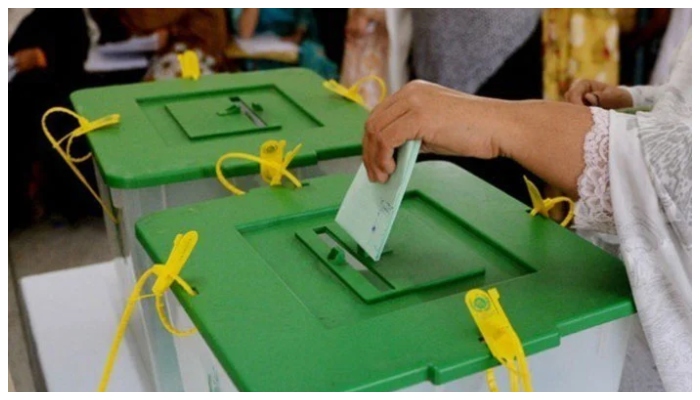
By-elections for 45 vacant seats across Sindh to be held on May 17, says Election Commissi...
-
Pakistan, Afghanistan, China Hold Talks in Urumqi ...
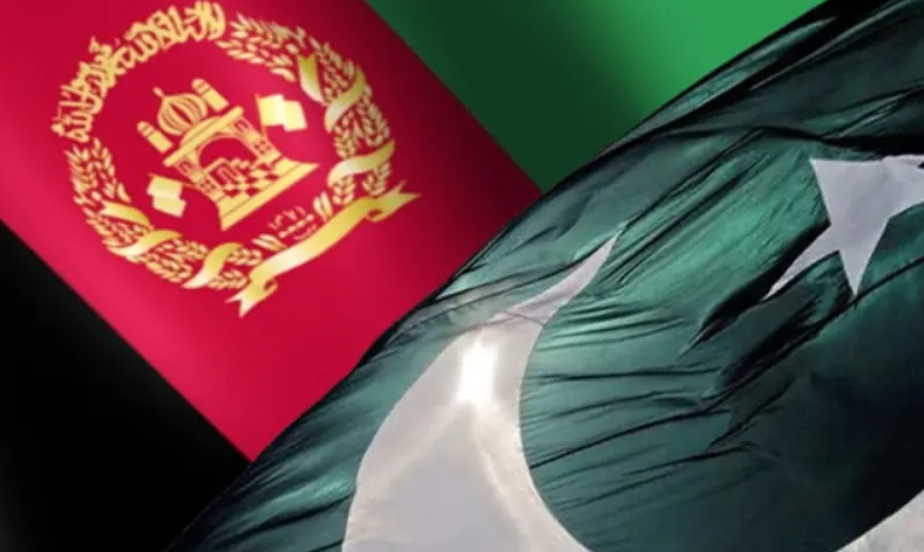
Pakistan, Afghanistan and China meet in Urumqi after weeks of tensions, discussing securit...
-
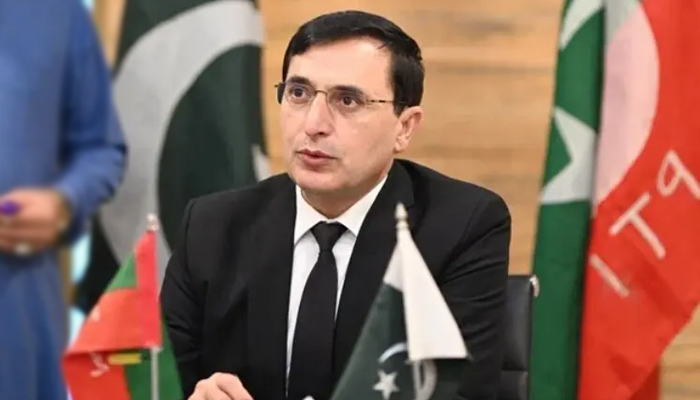
PTI Chairman Gohar Reaffirms ‘Pakistan First’ ...
PTI Chairman Barrister Gohar says Pakistan comes first, defends founder’s children, and ...
-
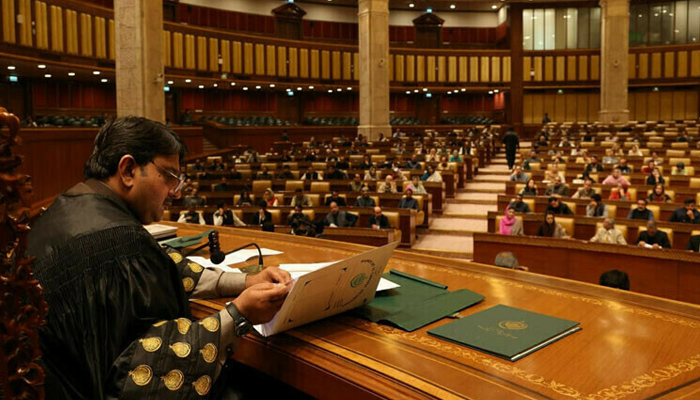
Punjab Assembly Receives Bill to Criminalize Force...
Punjab assembly introduces bill to protect minority rights, proposing 5-year jail and fine...
-
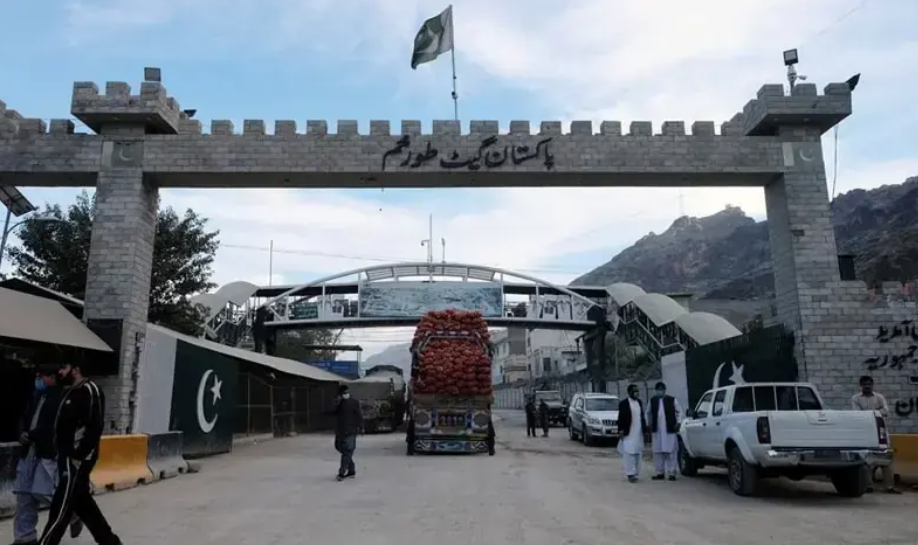
Torkham Border Reopens for Repatriation of Undocum...
Torkham border in Khyber reopens today for repatriation of undocumented Afghans; first bat...